Study Explores Statin Discontinuation in Older Adults
A new study examines the effects of stopping statins in older adults without prior cardiovascular events, revealing both potential benefits and long-term risks.

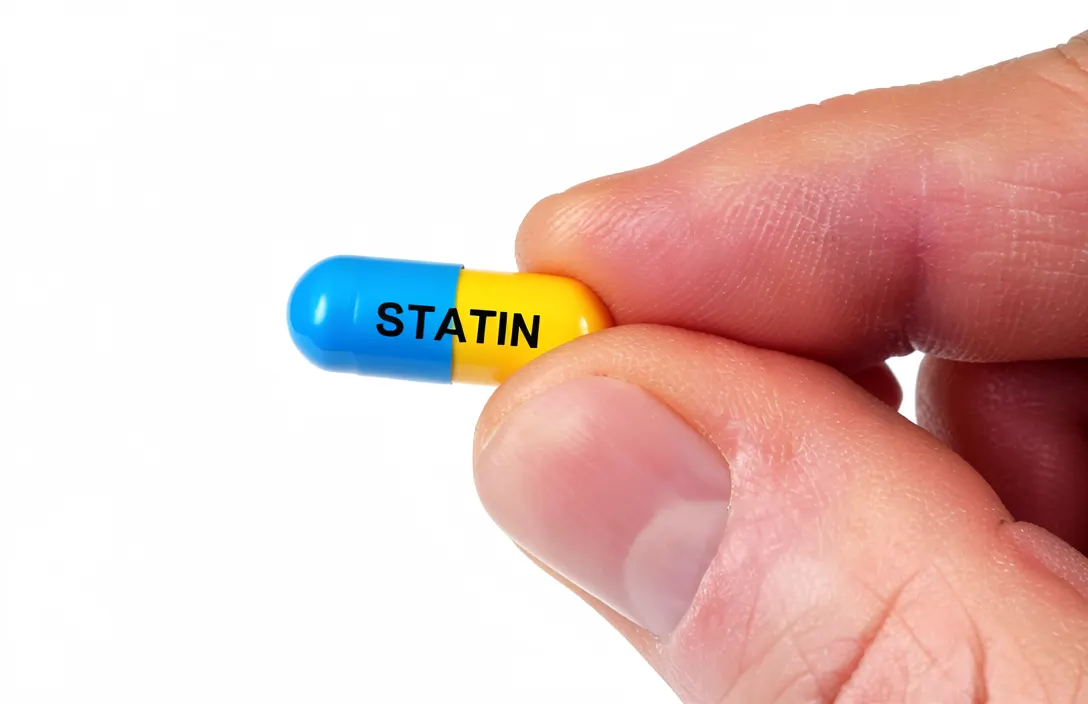
A major new study suggests that many adults age 70 and older who have never experienced a heart attack or stroke may be able to stop taking statins without substantially increasing their short-term cardiovascular risks. However, the findings also point to a possible increase in risk over a longer period, making the decision more complicated than it initially appears. The independent, preliminary research was presented at the American Heart Association's Scientific Sessions 2026, held November 6 through 9 in Chicago (Source ID: 1). [1]
The study enrolled nearly 1,900 adults aged 70 and older who were taking statins specifically to prevent a first cardiovascular event. Every participant also had at least two chronic medical conditions, such as a history of cancer or lung disease. Participants were divided into two groups. One group stopped taking statins, while the other continued their prescribed treatment. Researchers tracked their health for approximately two years, with additional follow-up extending as long as four years (Source ID: 1). [1]
The initial findings were largely reassuring. After approximately two years, participants who stopped taking statins did not experience a statistically significant increase in heart attacks, strokes, or deaths compared with those who remained on the medications. Stopping treatment also did not produce measurable improvements in the other outcomes researchers examined. Quality of life, muscle discomfort, falls, and muscle wasting were similar in both groups (Source ID: 1). [1]
Longer follow-up revealed a more concerning pattern. Over a period of up to four years, 12.7% of participants who stopped statins experienced a heart attack, stroke, or death, compared with 9.2% of those who kept taking the medications. These results complicate the question of whether older adults should continue cholesterol treatment indefinitely (Source ID: 1). [1]
Advertisement
A major new study suggests that many adults age 70 and older who have never experienced a heart attack or stroke may be able to stop taking statins without substantially increasing their short-term cardiovascular risks (ScienceDaily Health & Medicine). The study enrolled nearly 1,900 adults aged 70 and older who were taking statins specifically to prevent a first cardiovascular event. The initial findings were largely reassuring, with no statistically significant increase in heart attacks, strokes, or deaths after approximately two years compared to those who remained on the medications. [1]
However, the longer follow-up revealed a more concerning pattern. Over a period of up to four years, 12.7% of participants who stopped statins experienced a heart attack, stroke, or death, compared with 9.2% of those who kept taking the medications (ScienceDaily Health & Medicine). This higher rate of serious outcomes during the four-year follow-up represents a new finding in research on statin discontinuation among older adults. The study's lead author, Rita F. Redberg, noted that the difference may have emerged because this trial included more participants and tracked them for a longer period than earlier studies. [1]
The study involved 1,880 participants aged 70 and older (average age of 77; 53% men, and 47% women), all of whom had at least two chronic health conditions (ScienceDaily Health & Medicine). Researchers conducted the study between November 2021 and April 2026 across 24 medical centers in Switzerland, France, and the Netherlands. One limitation was that some participants did not remain in their originally assigned groups, which could have affected the findings. However, statistical analyses confirmed that the results remained unchanged despite these changes. [1]
A major new study suggests that many adults age 70 and older who have never experienced a heart attack or stroke may be able to stop taking statins without substantially increasing their short-term cardiovascular risks (ScienceDaily Health & Medicine). The study enrolled nearly 1,900 adults aged 70 and older who were taking statins specifically to prevent a first cardiovascular event. The initial findings were largely reassuring. After approximately two years, participants who stopped taking statins did not experience a statistically significant increase in heart attacks, strokes, or deaths compared with those who remained on the medications. [1]
Advertisement
However, the longer follow-up revealed a more concerning pattern. Over a period of up to four years, 12.7% of participants who stopped statins experienced a heart attack, stroke, or death, compared with 9.2% of those who kept taking the medications (ScienceDaily Health & Medicine). This increased risk of cardiovascular events during the extended follow-up period suggests that stopping statins may not be universally safe for all older adults, even those without a prior cardiovascular event. [1]
The study involved 1,880 participants aged 70 and older (average age of 77; 53% men, and 47% women), all of whom had at least two chronic health conditions (ScienceDaily Health & Medicine). Researchers conducted the study between November 2021 and April 2026 across 24 medical centers in Switzerland, France, and the Netherlands. The findings underscore the need for individualized decision-making between patients and healthcare professionals regarding the continuation or discontinuation of statins in this age group. [1]
A major new study suggests that many adults age 70 and older who have never experienced a heart attack or stroke may be able to stop taking statins without substantially increasing their short-term cardiovascular risks (ScienceDaily Health & Medicine). The study enrolled nearly 1,900 adults aged 70 and older who were taking statins specifically to prevent a first cardiovascular event. The initial findings were largely reassuring, as participants who stopped taking statins did not experience a statistically significant increase in heart attacks, strokes, or deaths compared with those who remained on the medications (ScienceDaily Health & Medicine). [1]
However, the longer follow-up revealed a more concerning pattern. Over a period of up to four years, 12.7% of participants who stopped statins experienced a heart attack, stroke, or death, compared with 9.2% of those who kept taking the medications (ScienceDaily Health & Medicine). This finding indicates that while the initial two-year period showed no significant increase in risk, the longer-term outcomes suggest a potential increase in cardiovascular events for those who discontinued their medication (ScienceDaily Health & Medicine). [1]
Advertisement
The study involved 1,880 participants aged 70 and older (average age of 77; 53% men, and 47% women), all of whom had at least two chronic health conditions (ScienceDaily Health & Medicine). Researchers conducted the study between November 2021 and April 2026 across 24 medical centers in Switzerland, France, and the Netherlands. The results suggest that discontinuing statins may be an option for many adults over 70 who have not previously experienced cardiovascular disease, especially when considering outcomes over the first two years (ScienceDaily Health & Medicine). [1]
Sources
ScienceDaily Health & Medicine
Prepared with AI assistance from the cited sources.
The Cali Reporter newsletter
The stories worth your time.
California, the country, and what comes next. Join our free newsletter for reporting that keeps you informed.
More in Health & Medicine
- Brain Energy Mismatches in Schizophrenia
A new study explores the potential role of energy bottlenecks in brain cells in explaining fragmented experiences of time, space, and self in schizophrenia.
- Brazil Reports First Mpox Death in 2026
Brazil has recorded its first mpox-related death in 2026, but public health officials are not classifying the current surge in cases as an outbreak, according to the Fiocruz Institute.
- Personalized Therapies for IBD May Target Specific Harmful Gut Bacteria
A study led by Dr. Lukas Mager and Prof. Kathy McCoy has identified two gut bacteria that promote inflammation in inflammatory bowel disease, opening the door for personalized treatments.