Senate Passes Bill Seen as Threat to National Parks
The Senate has passed a bill that environmental groups say could fast-track harmful mining and oil and gas projects near national parks, weakening protections for public lands.

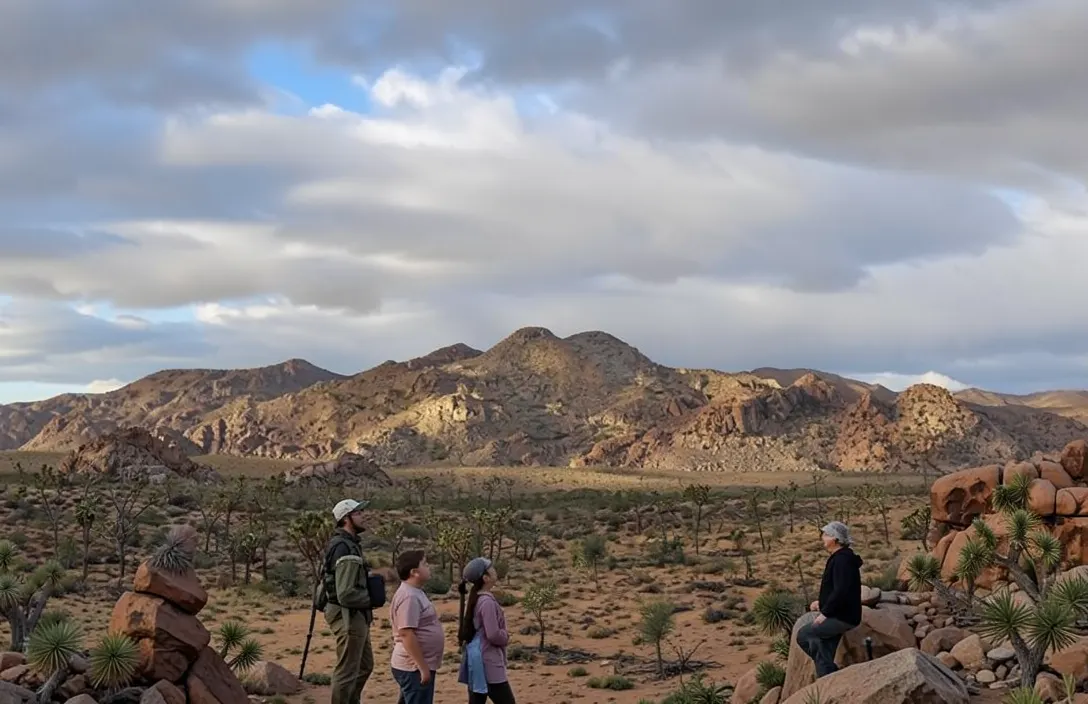

The Senate recently passed the Bipartisan American Affordability and Jobs Act of 2026, legislation that the National Parks Conservation Association (NPCA) strongly opposes for weakening vital protections for our national parks and public lands. This bill could fast track harmful mining and oil and gas projects while sidelining the voices of the public, Tribes and park experts (Source ID: 1). [1]
The bill chips away at the Endangered Species Act, which has helped recover fish, wildlife and plants in our national parks for more than 50 years. And by allowing projects to move forward even under unlawfully issued permits, this legislation ties the hands of future administrations and jeopardizes decades of conservation progress (Source ID: 1). [1]
The legislation could impact national park landscapes, such as California’s Joshua Tree National Park where a massive mining development is being proposed at its border. Bears Ears and Grand Staircase National Monuments in Utah where over 100 mining claims have been filed since Trump illegally reduced the boundaries of each by 90% (Source ID: 1). [1]
The bill could also affect the Boundary Waters in Minnesota, where the administration is pushing a massive toxic sulfide-ore copper mine. Alaska’s Gates of the Arctic National Park where Trump issued a permit under a never-before-used provision of law to develop the Ambler Road right through a migration route of the Western Arctic caribou herd and across thousands of pristine streams (Source ID: 1). [1]
Advertisement
The Bipartisan American Affordability and Jobs Act of 2026, passed by the Senate, has raised concerns over its impact on national parks and public lands across the United States. The legislation has been criticized for fast-tracking harmful mining and oil and gas projects, bypassing thorough environmental reviews and sidelining the voices of the public, Indigenous communities, and park experts. The bill has been described as undermining key environmental protections, including the Endangered Species Act, which has played a crucial role in the recovery of wildlife and ecosystems within national parks over the past five decades. The law also allows projects to proceed even with unlawfully issued permits, limiting the ability of future administrations to reverse harmful decisions. This has sparked fears that conservation progress made over decades could be jeopardized. The bill has specifically been linked to proposed developments near California’s Joshua Tree National Park, where a large-scale mining project is being considered at the park’s border. In Utah, Bears Ears and Grand Staircase National Monuments face threats from over 100 mining claims filed since the Trump administration reduced their boundaries by 90%. In Minnesota, the Boundary Waters region is at risk from a proposed toxic sulfide-ore copper mine, while in Alaska, the Ambler Road project, which would cut through the migration route of the Western Arctic caribou herd and thousands of pristine streams, has been advanced under a controversial provision of law. In New Mexico, Chaco Culture National Historical Park is under threat as the administration seeks to eliminate protections for approximately 330,000 acres surrounding the park to allow oil and gas leasing and new mining claims. This bill has drawn strong opposition from the National Parks Conservation Association (NPCA), which argues that it puts national parks and their natural and cultural resources at risk. The NPCA has called for a pause in the bill’s passage to allow for a more thorough and thoughtful debate on permitting reform in the next Congress. The organization has also emphasized the importance of Indigenous voices in the decision-making process, noting that the bill undermines Tribal rights and cultural heritage in parks across the country, from Ocmulgee Mounds National Historic Park to Gates of the Arctic National Preserve. The NPCA, founded in 1919, has long been a leading advocate for the protection of national parks and public lands, working to ensure that future generations can enjoy these iconic and inspirational places. [1]
The proposed developments highlighted in the Bipartisan American Affordability and Jobs Act of 2026 include specific locations and projects that could have significant environmental and cultural consequences. In California, the Joshua Tree National Park faces a potential large-scale mining operation at its border, which could disrupt the park’s fragile ecosystem and threaten its unique desert landscape. In Utah, the Bears Ears and Grand Staircase National Monuments have been under threat since the Trump administration reduced their boundaries by 90%, leading to the filing of over 100 mining claims that could further degrade these protected areas. In Minnesota, the Boundary Waters region is at risk from a proposed sulfide-ore copper mine, which could lead to water contamination and long-term environmental damage. In Alaska, the Ambler Road project, which would cross through the migration route of the Western Arctic caribou herd and thousands of pristine streams, has been advanced under a previously unused legal provision. In New Mexico, the Chaco Culture National Historical Park is under threat as the administration seeks to remove protections from 330,000 acres around the park, enabling oil and gas leasing and new mining claims. These developments have been criticized for their potential to harm not only the natural environment but also the cultural heritage of Indigenous communities. The National Parks Conservation Association (NPCA) has expressed concern that the bill could facilitate the rapid approval of harmful projects, undermining the voices of Tribes, park experts, and the public in the decision-making process. The NPCA has called for a pause in the bill’s passage to allow for a more thorough review and to ensure that permitting reform is handled responsibly in the next Congress. The organization has also emphasized the importance of protecting Tribal rights and cultural heritage, noting that the bill could have far-reaching consequences for parks ranging from Ocmulgee Mounds National Historic Park to Gates of the Arctic National Preserve. The NPCA, which has been advocating for the protection of national parks since 1919, continues to work to ensure that these iconic and inspirational places are preserved for future generations. [1]
The Senate recently passed the Bipartisan American Affordability and Jobs Act of 2026, legislation that the National Parks Conservation Association (NPCA) strongly opposes for weakening vital protections for our national parks and public lands (1). This bill could fast track harmful mining and oil and gas projects while sidelining the voices of the public, Tribes and park experts (1). [1]
The legislation chips away at the Endangered Species Act, which has helped recover fish, wildlife and plants in our national parks for more than 50 years (1). And by allowing projects to move forward even under unlawfully issued permits, this legislation ties the hands of future administrations and jeopardizes decades of conservation progress (1). [1]
Advertisement
This bill could impact national park landscapes, such as California’s Joshua Tree National Park where a massive mining development is being proposed at its border (1). Bears Ears and Grand Staircase National Monuments in Utah where over 100 mining claims have been filed since Trump illegally reduced the boundaries of each by 90% (1). [1]
The Boundary Waters in Minnesota, where the administration is pushing a massive toxic sulfide-ore copper mine. Alaska’s Gates of the Arctic National Park where Trump issued a permit under a never-before-used provision of law to develop the Ambler Road right through a migration route of the Western Arctic caribou herd and across thousands of pristine streams (1). [1]
Sources
Prepared with AI assistance from the cited sources.
The Cali Reporter newsletter
The stories worth your time.
California, the country, and what comes next. Join our free newsletter for reporting that keeps you informed.
More in California
- Survivors Support Governor Newsom's Commutation of Death Sentences
Survivors of violent crime in California have expressed support for Governor Gavin Newsom's decision to commute all death sentences, emphasizing the need for healing and resources over state-sanctioned killing.
- Caltrans Announces Winter Closure of Mountain Passes
Caltrans has officially closed several mountain passes in California due to recent snowfall and adverse weather conditions, ensuring the safety of drivers and maintenance crews.
- Documentary Explores Indigenous History of California
A new documentary series, 'People of the West,' delves into the history of California's Indigenous communities through Native voices and perspectives, highlighting overlooked aspects of their past and ongoing struggles…