

Santa Clara Proposes Ban on Recreational Nitrous Oxide Sales
City council directs staff to explore location-based restrictions; enforcement would be local, not left to county prosecutors.
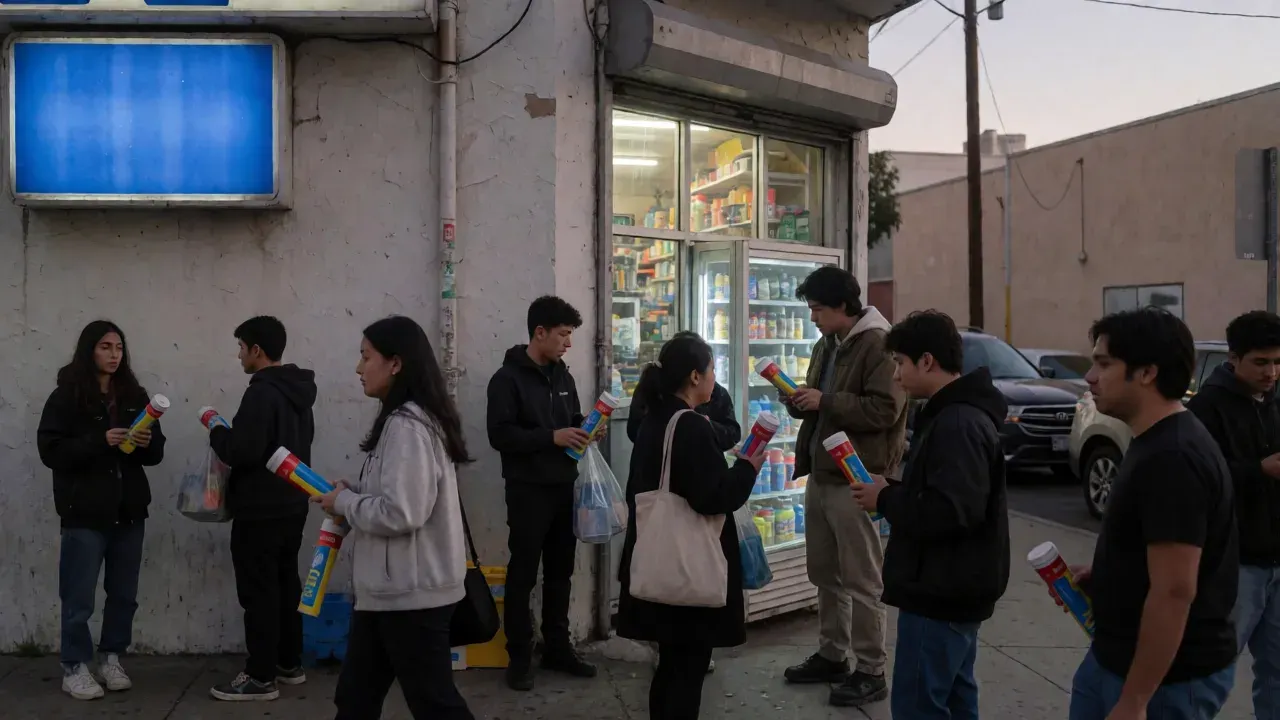
Santa Clara is advancing a proposal to ban recreational sales of nitrous oxide, commonly known as whippets, while exempting medical, dental, and culinary uses. City Council received an update on the plan, which would prohibit sale and distribution by smoke shops and similar retailers.
District 3 Councilmember Karen Hardy cited finding numerous empty canisters near Calabazas and a local high school as motivation for the ban. The proposal aligns closely with California’s Senate Bill 936, signed last September, but adds local enforcement capacity via code enforcement, police, and the city attorney’s office.
While some shops, like City Rock and Peace Pipe, currently don’t sell nitrous oxide and see little impact, others in the county have already restricted sales. San Jose banned recreational nitrous by November 2025, and Sunnyvale adopted a regulatory policy in June.

Violations could cost $500 for a first offense and $1,000 for repeat violations within a year, with possible license or permit revocation. City staff plan direct outreach to license holders if the ban moves forward.
Prepared with AI assistance from the linked source.
More in San Jose
- San Jose Zoning Changes Threaten Operations of Local Food Pantry
Lighthouse Food Rescue & Distribution faces potential closure and heavy daily fines following city citations regarding sidewalk use and updated land-use regulations.
- Li: San Jose Airport’s Closure of Vital Bike Route Exposes Hollow Traffic Safety Pledge
A planned permanent closure of Ewert Road at San Jose Mineta International Airport threatens a key commuter corridor for cyclists, undermining the city’s Vision Zero goals despite safety and security justifications that experts say don’t hold up.
- Ex-Santa Clara Officials’ Confrontation Leads to Free Speech Lesson
A spontaneous exchange at the Art & Wine Festival between Anthony Becker and Kathy Watanabe, and their use of recording and police involvement, sparked a public discussion about First Amendment rights in civic spaces.