San Francisco's Shift in Homelessness Shelter Strategy
San Francisco is closing two of its largest traditional shelters and reducing general adult shelter beds, replacing them with specialized treatment and recovery-focused beds under Mayor Daniel Lurie's administration.

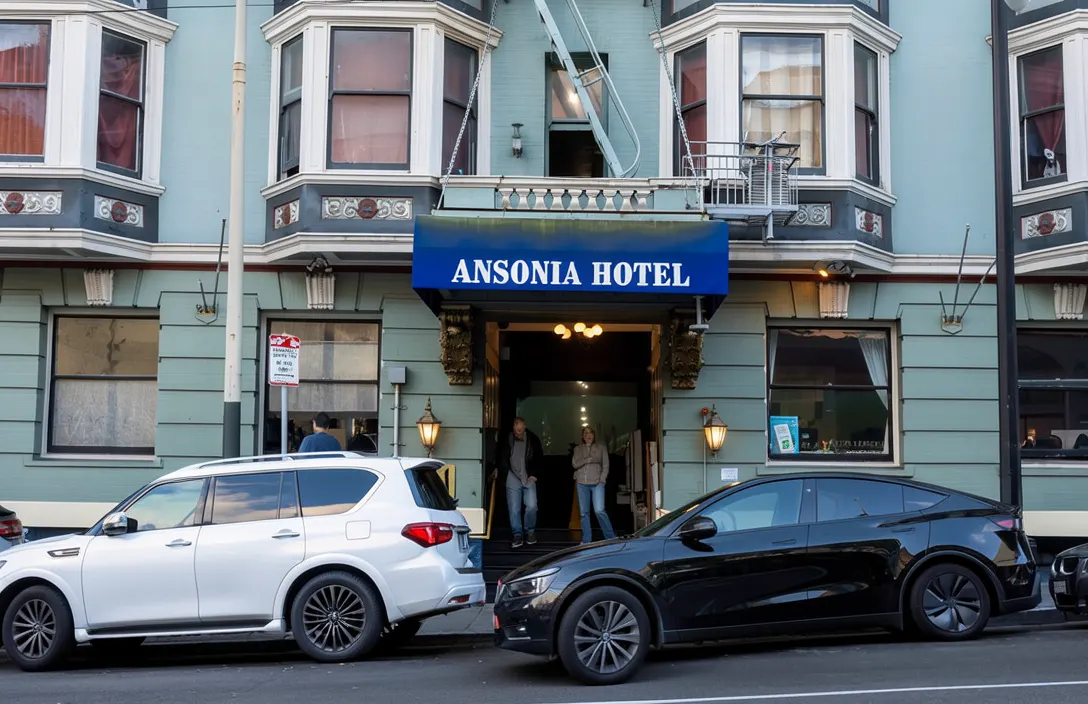
Ollis Flakes, a 53-year-old San Francisco resident, found himself homeless for the first time in his life in April due to a falling-out with his girlfriend. He sought refuge at the 711 Post St. shelter, which will soon close as part of the city's plan to eliminate 480 general shelter beds. The shelter, which provided low-barrier access to housing, is being replaced with a system that emphasizes specialized treatment and recovery beds (Source ID: 1). [1]
Under Mayor Daniel Lurie, the city has shifted its strategy from adding 1,500 emergency shelter beds to focusing on 'the right beds.' Between the end of 2024 and July 2026, nearly 250 general adult shelter beds were closed, while over 400 treatment, recovery, and stabilization beds were added. This change reflects the city's emphasis on addressing addiction and mental health challenges among the homeless population (Source ID: 1). [1]
City officials argue that the shift to treatment and recovery beds is necessary due to the fentanyl and mental health crises. However, residents like Flakes and others at the 711 Post shelter criticize the plan, arguing that it overlooks people who do not suffer from addiction and need immediate housing. They emphasize that many homeless individuals are capable of work and education but remain without housing due to the city's prioritization of recovery-focused programs (Source ID: 1). [1]
The closure of shelters like 711 Post St. and the Embarcadero SAFE Navigation Center has sparked concerns among homeless advocates and residents. While the city maintains that low-barrier beds still make up the majority of shelter resources, critics warn that further reductions in shelter capacity could exacerbate the housing crisis, particularly for homeless families and children (Source ID: 1). [1]
Advertisement
Ollis Flakes, a 53-year-old San Francisco resident, found himself homeless for the first time in his life in April due to a falling-out with his girlfriend (source ID: 1). The city has shifted its strategy from adding 1,500 emergency shelter beds to focusing on 'the right beds.' Between the end of 2024 and July 2026, nearly 250 general adult shelter beds were closed, while over 400 treatment, recovery, and stabilization beds were added. City officials argue that the shift to treatment and recovery beds is necessary due to the fentanyl and mental health crises. The closure of shelters like 711 Post St. is part of this transition. [1]
The San Francisco Standard reports that the city plans to close 711 Post St. and the Embarcadero SAFE Navigation Center, dismantling two of San Francisco’s largest traditional shelters and eliminating 480 general shelter beds (source ID: 1). Under Mayor Lurie, the city is building a system with fewer traditional shelter beds and more specialized treatment and recovery beds. Lurie initially aimed to open 1,500 emergency shelter beds but later shifted focus to adding the 'right beds.' New data shows that between the end of 2024 and July 2026, the city closed nearly 250 general adult shelter beds while adding over 400 treatment, recovery, and stabilization beds. [1]
City officials maintain that the strategy reflects the reality on the streets, where about half of San Francisco’s unhoused residents surveyed during a point-in-time count in January reported experiencing addiction or a serious mental illness (source ID: 1). Officials argue that expanding treatment and stabilization options will reduce the demand for traditional shelter. However, critics like Flakes argue that the plan leaves out people who do not suffer from drug addiction and are struggling to survive as housing becomes increasingly unaffordable in the city. [1]
Ollis Flakes, a 53-year-old San Francisco resident, found himself homeless for the first time in his life in April due to a falling-out with his girlfriend (source ID: 1). Flakes sought refuge at the 711 Post St. shelter, a facility that will soon close as part of the city’s broader shift in strategy. This change, under Mayor Daniel Lurie, has moved the focus from adding 1,500 emergency shelter beds to creating what officials call 'the right beds.' The city has closed nearly 250 general adult shelter beds between the end of 2024 and July 2026 while adding over 400 treatment, recovery, and stabilization beds (source ID: 1). [1]
Advertisement
City officials argue that the shift to treatment and recovery beds is necessary due to the fentanyl and mental health crises. According to a January point-in-time count, about half of San Francisco’s unhoused residents reported experiencing addiction or a serious mental illness (source ID: 1). Officials maintain that many people on the streets would be better served by treatment and stabilization programs, and that expanding those options will reduce the demand for traditional shelter. Kunal Modi, Lurie’s chief of health and human services, stated that putting individuals with these challenges in low-barrier beds without support is not a good strategy (source ID: 1). [1]
However, Flakes and others at the 711 Post shelter argue that the strategy leaves out people who do not suffer from drug addiction and are struggling to survive as housing remains out of reach. Flakes, who has no debilitating conditions and has experienced homelessness for a short time, has little to no chance of qualifying for a cheaper apartment through the Department of Homelessness and Supportive Housing (source ID: 1). He criticized the mayor’s focus on people with addiction, saying it shouldn’t come at the expense of those who primarily need shelter and housing (source ID: 1). [1]
Ollis Flakes, a 53-year-old San Francisco resident, found himself homeless for the first time in his life in April due to a falling-out with his girlfriend (source ID: 1). The San Francisco Standard reports that the city plans to close 711 Post St. Flakes, who was temporarily housed at the shelter, said that the closure would leave many people like him without a place to go. He emphasized that the new strategy, which prioritizes treatment and recovery beds, does not address the needs of individuals who do not suffer from addiction but are struggling to find housing (source ID: 1). [1]
City officials argue that the shift to treatment and recovery beds is necessary due to the fentanyl and mental health crises. According to a point-in-time count in January, about half of San Francisco’s unhoused residents surveyed reported experiencing addiction or a serious mental illness (source ID: 1). Officials maintain that expanding treatment and stabilization programs will reduce the demand for traditional shelter and better serve those in need of recovery support (source ID: 1). [1]
Advertisement
However, Flakes and others at the 711 Post shelter argue that the strategy leaves out people who do not suffer from drug addiction and are struggling to survive as housing remains out of reach. Flakes expressed frustration with the city’s focus on recovery, saying that more attention should be given to providing immediate shelter and housing for those who are able to work, go to school, or care for their families (source ID: 1). [1]
Sources
Prepared with AI assistance from the cited sources.
The Cali Reporter newsletter
The stories worth your time.
California, the country, and what comes next. Join our free newsletter for reporting that keeps you informed.
More in San Francisco
- United Airlines Offers Flight Change Waivers Ahead of Storm at SFO
United Airlines has announced a waiver of flight-change fees for passengers affected by an incoming storm and potential flooding at San Francisco International Airport.
- Brandon Aiyuk Released by 49ers, Likely to Become Free Agent
The San Francisco 49ers have released wide receiver Brandon Aiyuk, who is expected to become a free agent after filing for reinstatement and passing a physical.
- Nvidia CEO Reinstated Amid National Security Concerns
Nvidia's board reinstated Jensen Huang as CEO following intervention from President Donald Trump, amid ongoing investigations into potential export control violations and national security risks.