San Francisco Officials Urge Residents to Use 311 for Storm-Related Issues
San Francisco officials have advised residents to use the 311 system for storm-related issues rather than 911, as the city experienced a record number of emergency calls during a recent heavy rainfall event.

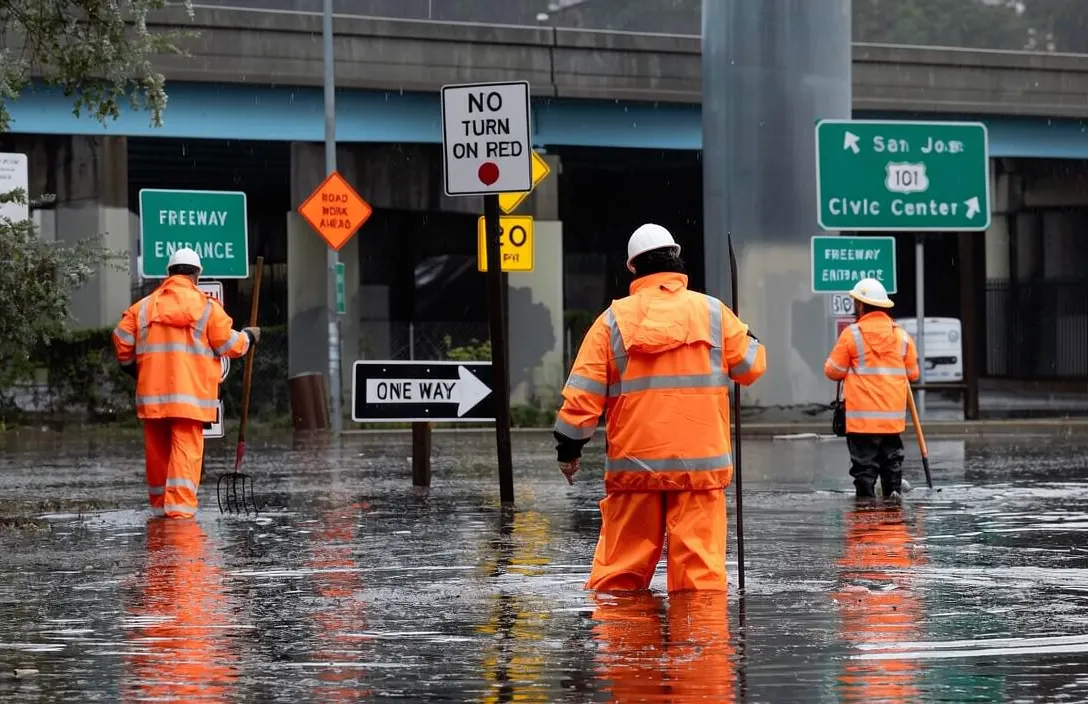
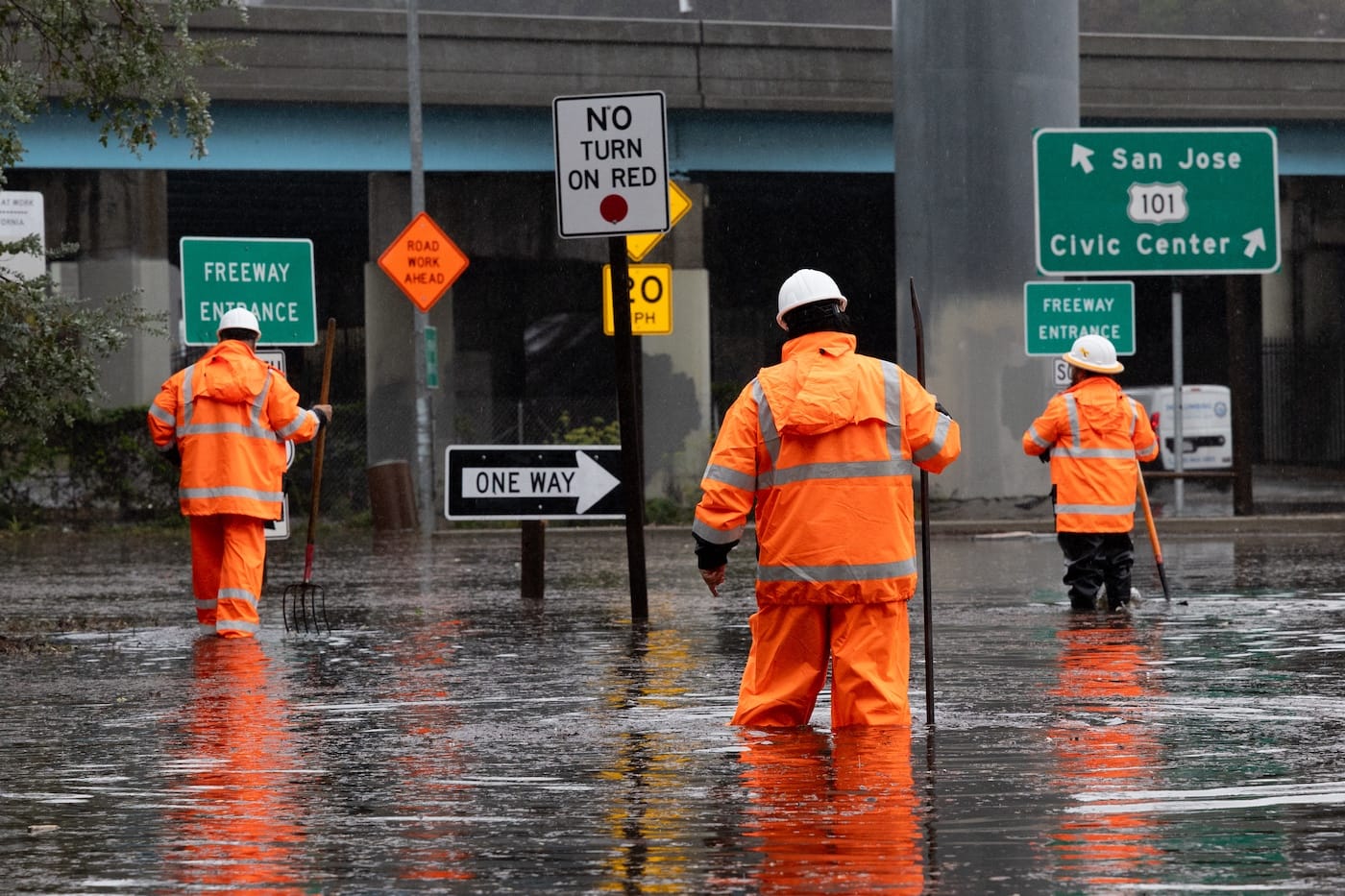
San Francisco officials have urged residents to use the 311 system for storm-related issues rather than 911, as the city experienced a record number of emergency calls during a recent heavy rainfall event. According to SF Department of Emergency Management Executive Director Mary Ellen Carroll, the city received a record number of 911 calls during the heaviest rainfall on November 18, 2026, with the SF Fire Department alone receiving about 340 calls that morning, roughly twice its normal volume (SFist, 2026). These calls primarily involved storm-related problems such as downed trees, wires, and dislodged manhole covers, which officials emphasized should be reported to 311 instead of 911, as the latter should be reserved for emergencies involving immediate threats to life and safety. [1]
The city has been preparing for such storms by clearing storm drains, distributing sandbags, and installing temporary flood barriers in vulnerable areas. San Francisco Public Works spokesperson Rachel Gordon told ABC 7 that crews had cleared about 80 storm drains in the days leading up to the storm (SFist, 2026). The city has also been distributing sandbags six days a week and has stockpiled 35,000 for residents. One of the city's longest temporary flood barriers was installed at 17th and Folsom streets, near one of San Francisco's lowest inland points, which is prone to flooding as shown on the SF Public Utilities Commission’s (SFPUC) 100-Year Flood Map (SFist, 2026). [1]
San Francisco's combined stormwater and sewage system can be overwhelmed during intense rainfall, leading to street flooding and property damage, especially in low-lying areas. The SFPUC explains that no sewer system can be designed to manage all stormwater in all storms and that year-round efforts are made to clean, repair, and replace aging infrastructure (www.sfpuc.gov, 2026). The SFPUC has developed a 100-Year Storm Flood Risk Map, which identifies areas where significant flooding is likely to occur during a 100-year storm. This map is updated annually and is used to inform property owners and tenants about flood risk so that they can take steps to protect their properties (www.sfpuc.gov, 2026). [2] [3]
San Francisco has experienced a record number of 911 calls during recent heavy rainfall events, with many of these calls involving storm-related problems that are better suited for the city's 311 system. According to SF Department of Emergency Management Executive Director Mary Ellen Carroll, the city received a record number of 911 calls during the heaviest rainfall, with the SF Fire Department alone receiving about 340 calls that morning, roughly twice its normal volume. These calls included reports of downed trees, wires, and dislodged manhole covers (Source ID: 1). [1]
Advertisement
The city has been preparing for such storms by clearing storm drains, distributing sandbags, and installing temporary flood barriers in particularly vulnerable areas. San Francisco Public Works spokesperson Rachel Gordon told ABC 7 that crews had cleared about 80 storm drains in the days leading up to the storm. The department has also been distributing sandbags six days a week and has reportedly stockpiled 35,000 for residents (Source ID: 1). [1]
San Francisco's combined stormwater and sewage system can be overwhelmed during intense rainfall, leading to street flooding and property damage, especially in low-lying areas. The city's stormwater system is designed to move rainwater through street drains and underground pipes, but its capacity can be overwhelmed during intense rainfall. In much of San Francisco, stormwater and sewage share the same underground system, meaning heavy rain can increase the volume of water that must be transported and treated (Source ID: 2). [2]
The SFPUC has developed a 100-Year Storm Flood Risk Map that shows areas of San Francisco where significant flooding from stormwater runoff is highly likely to occur during a 100-year storm. This map is an informational tool that helps existing and future property owners and tenants understand flood risk on their properties. The SFPUC uses computer modeling to simulate flooding during a 100-year storm to identify areas that are likely to experience flooding (Source ID: 3). [3]
San Francisco officials have urged residents to use the 311 system for storm-related issues rather than 911, as the city experienced a record number of emergency calls during a recent heavy rainfall event. The city received a record number of 911 calls during the heaviest rainfall, according to SF Department of Emergency Management Executive Director Mary Ellen Carroll, as NBC Bay Area reports. SF Fire Chief Dean Crispen told the outlet the department alone received about 340 calls that morning, roughly twice its normal volume. Reports included downed trees, wires, and dislodged manhole covers (Source ID: 1). [1]
Advertisement
The city has been preparing for such storms by clearing storm drains, distributing sandbags, and installing temporary flood barriers in particularly vulnerable areas. San Francisco Public Works spokesperson Rachel Gordon told ABC 7 that crews had cleared about 80 storm drains in the days leading up to Wednesday's storm. The department has also been distributing sandbags six days a week and has reportedly stockpiled 35,000 for residents (Source ID: 1). [1]
One of the city's longest temporary flood barriers was reportedly installed at 17th and Folsom streets, near one of San Francisco's lowest inland points. The area is prone to flooding, as shown on the SF Public Utilities Commission’s (SFPUC) 100-Year Flood Map, and nearby businesses rely on pumps and other equipment to keep floodwaters out (Source ID: 1). [1]
San Francisco officials have urged residents to use the 311 system for storm-related issues rather than 911, as the city experienced a record number of emergency calls during a recent heavy rainfall event (Source ID: 1). The city received a record number of 911 calls during the heaviest rainfall, with reports including downed trees, wires, and dislodged manhole covers (Source ID: 1). Officials reminded residents that 911 should be reserved for emergencies involving immediate threats to life and safety, while storm-related problems such as downed trees and clogged storm drains should generally be reported to 311 (Source ID: 1). [1]
San Francisco's combined stormwater and sewage system can be overwhelmed during intense rainfall, leading to street flooding and property damage, especially in low-lying areas (Source ID: 2). The city has been preparing for such storms by clearing storm drains, distributing sandbags, and installing temporary flood barriers in particularly vulnerable areas (Source ID: 1). One of the city's longest temporary flood barriers was reportedly installed at 17th and Folsom streets, near one of San Francisco's lowest inland points (Source ID: 1). [1] [2]
Advertisement
The San Francisco Public Utilities Commission (SFPUC) has developed a 100-Year Storm Flood Risk Map that shows areas of San Francisco where significant flooding from stormwater runoff is highly likely to occur during a 100-year storm (Source ID: 3). The SFPUC uses computer modeling that simulates flooding during a 100-year storm to identify areas that are likely to experience flooding in a 1 percent chance storm (Source ID: 3). The Flood Map is an informational tool that helps property owners and tenants understand flood risk on their properties so that they can take steps to protect their properties and belongings (Source ID: 3). [3]
Sources
Prepared with AI assistance from the cited sources.
The Cali Reporter newsletter
The stories worth your time.
California, the country, and what comes next. Join our free newsletter for reporting that keeps you informed.
More in San Francisco
- United Airlines Offers Flight Change Waivers Ahead of Storm at SFO
United Airlines has announced a waiver of flight-change fees for passengers affected by an incoming storm and potential flooding at San Francisco International Airport.
- Brandon Aiyuk Released by 49ers, Likely to Become Free Agent
The San Francisco 49ers have released wide receiver Brandon Aiyuk, who is expected to become a free agent after filing for reinstatement and passing a physical.
- Nvidia CEO Reinstated Amid National Security Concerns
Nvidia's board reinstated Jensen Huang as CEO following intervention from President Donald Trump, amid ongoing investigations into potential export control violations and national security risks.