Samsung Galaxy S23 Series to Receive Final Major Update with One UI 9
Samsung has confirmed that the Galaxy S23 series will receive its final major software update with One UI 9, based on Android 17. This marks the end of the road for these devices in terms of major operating system…

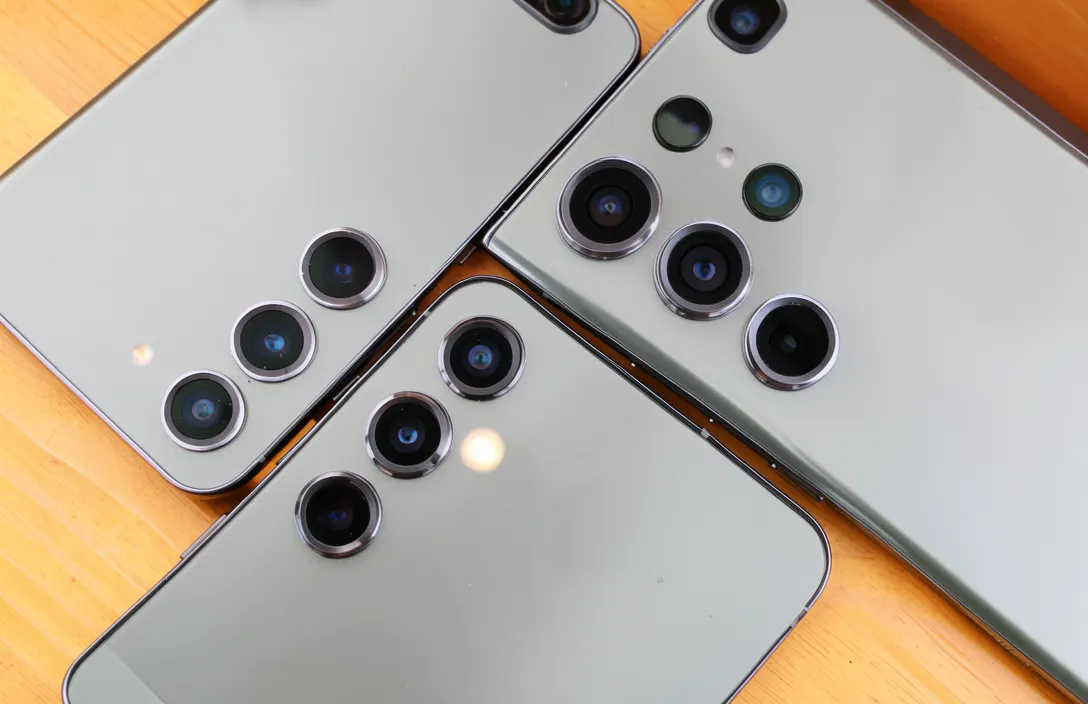
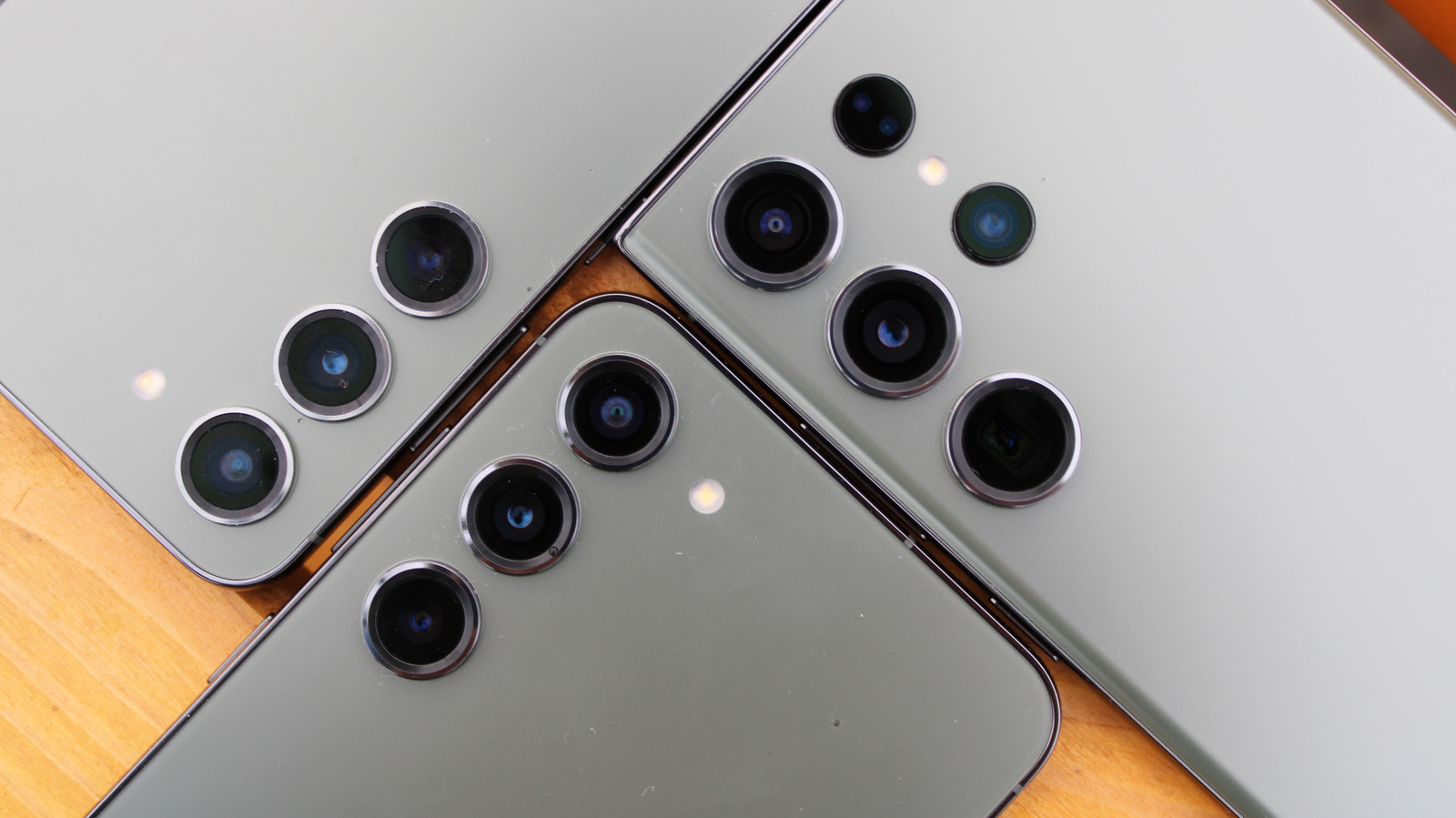
Samsung has confirmed that the Galaxy S23 series, including the Galaxy S23, S23+, S23 Ultra, and S23 FE, will receive its final major software update with One UI 9, based on Android 17. According to a Samsung support representative, as reported by SamMobile, this is the last major operating system upgrade for these devices, with no further updates planned beyond One UI 9 (source 1). This update, which began rolling out in South Korea on October 14, 2026, and followed in Europe shortly after, includes new features such as a more customizable Quick Panel, improvements to Samsung DeX and Samsung Notes, and new accessibility features (source 1). [1]
The Galaxy Z Fold 5 and Z Flip 5 are also receiving One UI 9 as their final major update, with the update arriving in the US on October 23, 2026. Despite this being the last major update, security patches will continue for these devices until 2028, in line with Samsung’s five-year security update policy introduced in 2022 (source 1). This means that even though these devices will not receive future major OS upgrades, they will still be protected against security vulnerabilities through monthly updates until 2028 (source 1). [1]
Samsung’s previous commitment to four generations of One UI and Android upgrades, along with five years of security updates, has been fulfilled for the Galaxy S23 series. However, the Galaxy S23 FE, which was not part of the initial One UI 9 rollout, is also expected to receive the same final update, although a specific release date has not yet been announced (source 1). In contrast, newer models such as the Galaxy S24 and later are receiving extended support, with seven years of security updates and seven generations of OS upgrades, as announced during the S24’s launch in early 2024 (source 1). [1]
One UI 9 also introduces AI-powered Privacy Alerts for the Galaxy S23 and S23 FE, although some of the more advanced AI features, such as My FanCam and Now Nudge, are not available on these models. Samsung has stated that these devices will still receive monthly security updates until 2028, but users should be aware that carrier-locked models may receive these updates less frequently, depending on their carrier’s update schedule (source 1). [1]
Advertisement
Samsung has confirmed that the Galaxy S23 series, including the Galaxy S23, S23+, S23 Ultra, and S23 FE, will receive its final major software update with One UI 9, based on Android 17. The Galaxy Z Fold 5 and Z Flip 5 are also receiving One UI 9 as their final major update, with the update arriving in the US on October 23, 2026. This marks the culmination of Samsung’s previous commitment to four generations of One UI and Android upgrades, along with five years of security updates, for the Galaxy S23 series. Samsung’s support representative reportedly confirmed in August 2026 that it is the series’ final major OS upgrade (source: 1). [1]
One UI 9 introduces several new features, including a more customizable Quick Panel, improvements to Samsung DeX and Samsung Notes, new accessibility features, and a location privacy indicator. However, some of the more advanced AI features, such as My FanCam, Now Nudge, custom Now Brief cards, and Call Brief, are not available on the Galaxy S23 series or the S23 FE. Samsung has listed the S23 and S23 FE among the phones that support One UI 9’s AI-powered Privacy Alerts (source: 1). [1]
Security patches will continue for the Galaxy S23 series until 2028, in line with Samsung’s 2022 policy of providing five years of security updates. The S23, S23+, S23 Ultra, and S23 FE are all scheduled for monthly updates per Samsung’s security schedule. However, some carriers may deliver updates less frequently, even when Samsung pushes out monthly patches. This could impact users who rely on timely security updates for banking apps and work email (source: 1). [1]
Samsung has changed its policy after the S23 went on sale, promising seven generations of OS upgrades and seven years of security updates for the Galaxy S24 and later models. However, this policy does not retroactively apply to phones already on the market, like the S23. The Galaxy S26 received One UI 9 in September 2026 and will be supported until 2033, indicating a shift in Samsung’s long-term support strategy (source: 1). [1]
Advertisement
Samsung’s decision to provide only one final major update for the Galaxy S23 series raises concerns about long-term support and innovation for older models. While security patches will continue until 2028, the lack of future OS upgrades could impact user experience and device longevity. This approach contrasts with the company’s previous commitment to four generations of One UI and Android upgrades, as outlined in its 2022 policy. The shift in strategy highlights a growing divide between flagship and mid-range devices, with newer models like the Galaxy S24 receiving seven years of updates. This raises the question of whether Samsung will continue to adjust its update policies in the future, potentially affecting consumer expectations and product lifecycle management. The change in policy may also influence how users perceive the value of older models, especially as newer devices offer extended support and advanced features. As Samsung moves forward, it will be important to monitor how this strategy impacts user satisfaction and device longevity. [1]
The exclusion of certain AI features from the Galaxy S23 series, such as My FanCam and Now Nudge, prompts speculation about how Samsung will balance AI integration with hardware capabilities moving forward. According to Samsung’s compatibility table, these features are not available on the Galaxy S23 series or the S23 FE, despite the introduction of AI-powered Privacy Alerts. This discrepancy suggests that Samsung may be prioritizing AI advancements on newer models while leaving older devices with limited capabilities. It remains unclear whether future updates will address these limitations or if users will be left behind as AI technology advances. The company’s recent rollout of One UI 9 for the Galaxy S26, which will be supported until 2033, indicates a potential shift in how Samsung plans to integrate AI across its product lineup. However, the exclusion of advanced AI tools on the S23 series raises questions about the company’s long-term vision for AI integration and whether users of older models will benefit from future innovations. [1]
The potential for third-party launchers to mitigate some of the limitations of One UI 9 raises questions about the role of external developers in enhancing the user experience on older models. While Samsung has not extended its One UI 8.5 update to the Galaxy S23 series, users can opt for third-party launchers to replace the home screen and app drawer. This option, however, does not address the broader limitations of the OS, such as the lack of future upgrades and limited AI features. As Samsung continues to refine its approach, it will be important to monitor how this strategy impacts user satisfaction and device longevity. The company’s decision to provide only one final major update for the Galaxy S23 series also raises questions about the future of long-term software support for mid-range and flagship devices. Industry observers will be watching closely for any changes in policy or new features that could extend the life of existing devices and ensure continued innovation across Samsung’s product lineup. [1]
Samsung’s shift in update policy, offering seven years of support for newer models like the Galaxy S24, highlights a growing divide between flagship and mid-range devices. This change in strategy may influence how users perceive the value of older models, especially as newer devices offer extended support and advanced features. The company’s decision to provide only one final major update for the Galaxy S23 series also raises questions about the future of long-term software support for mid-range and flagship devices. Industry observers will be watching closely for any changes in policy or new features that could extend the life of existing devices and ensure continued innovation across Samsung’s product lineup. As Samsung continues to refine its approach, it will be important to monitor how this strategy impacts user satisfaction and device longevity. The potential for third-party launchers to enhance the user experience on older models may also play a role in how users adapt to the limitations of One UI 9. [1]
Advertisement
Editorial note: This article is sourced. Some claims are awaiting further verification.
Sources
Prepared with AI assistance from the cited sources.
The Cali Reporter newsletter
The stories worth your time.
California, the country, and what comes next. Join our free newsletter for reporting that keeps you informed.
More in Technology
- Google Play's Closed Testing Requirements and the Importance of Feedback
Google Play's closed testing rule emphasizes the need for developers to gather meaningful feedback from testers, not just track app installs. This approach ensures that real user experiences are evaluated and addressed…
- World Diabetes Day 2026 Focuses on Early Diagnosis and Awareness
The 2026 World Diabetes Day campaign emphasizes the importance of early diagnosis, equitable access to care, and reducing diabetes stigma, according to the WHO. The theme 'Early action on diabetes' highlights the need…
- Understanding Memory Usage on Linux VPS
This article explains how to accurately interpret memory usage on a Linux VPS, focusing on the importance of the 'available' metric and the potential pitfalls of relying on the 'free' column.