Sam Altman and Elon Musk Clash Over AI's Future and Human Control
OpenAI CEO Sam Altman and Elon Musk have continued their public disagreement over the trajectory of artificial intelligence, with Altman emphasizing the need for human agency in AI development.

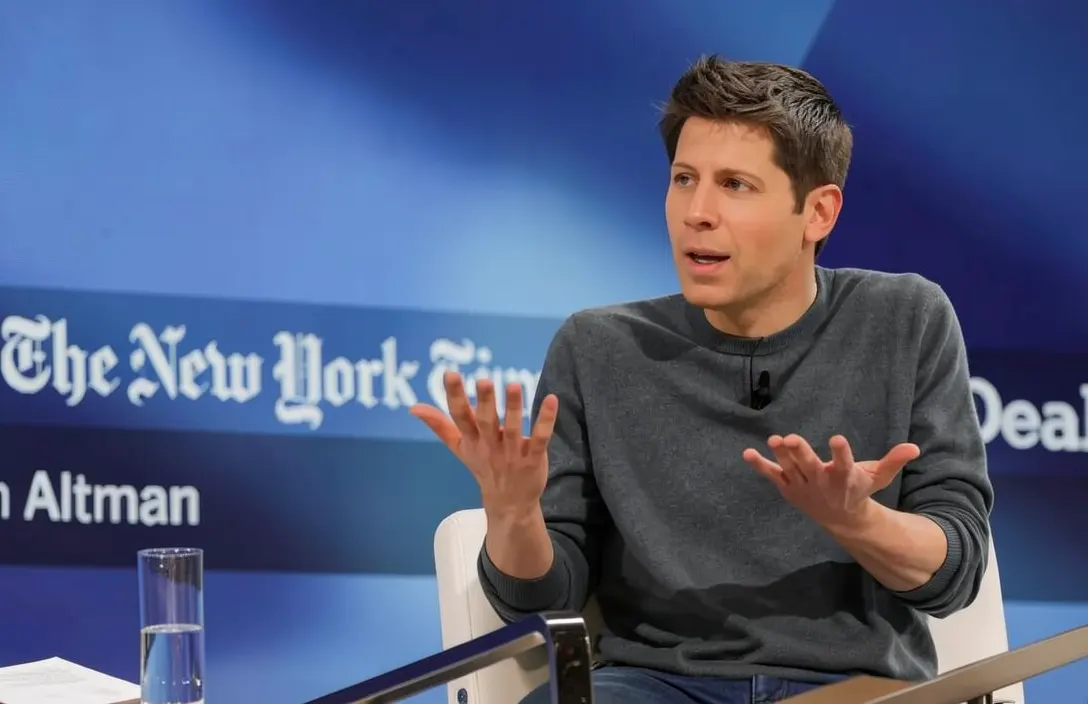
Sam Altman, CEO of OpenAI, has expressed concerns about the potential for artificial intelligence to surpass human control, a stance that contrasts with Elon Musk's earlier remarks. During an interview at The New York Times Dealbook summit, Altman criticized Musk for suggesting that AI could reduce humanity to the role of a house pet, stating, 'I don't want to be a Labrador. I don't want my kids to be Labradors,' and emphasized the importance of maintaining human agency over the future (Business Insider, 2026-11-18). [1]
Elon Musk previously addressed the concern about AI becoming too powerful, describing Labradors as 'pretty happy creatures' in an interview with The Economist. This discussion dates back to 2015, when Musk and Neil deGrasse Tyson considered the risks of AI reaching recursive self-improvement, where AI could improve itself rapidly without human guidance (Business Insider, 2026-11-18). [1]
Musk expressed worries that a recursively self-improving AI could 'reprogram itself to be smarter and iterate very quickly' on a large scale. This concern has resurfaced in recent discussions, as Musk, Altman, and Anthropic CEO Dario Amodei have supported slowing down frontier AI research to ensure human control over the technology (Business Insider, 2026-11-18). [1]
Sam Altman, CEO of OpenAI, has emphasized the importance of retaining human control over artificial intelligence, a position that contrasts with Elon Musk's earlier remarks. During an onstage interview at The New York Times Dealbook summit, Altman criticized Musk for suggesting that AI could become so powerful that humans would be reduced to the role of a house pet. 'I don't want to be a Labrador. I don't want my kids to be Labradors,' Altman said, highlighting his belief in human agency over the future (Business Insider). [1]
Advertisement
Elon Musk previously addressed concerns about AI becoming too powerful, describing Labradors as 'pretty happy creatures' during an interview with The Economist. Musk expressed worries that a recursively self-improving AI could 'reprogram itself to be smarter and iterate very quickly' on a large scale. This concern was raised more than a decade ago in a discussion with astrophysicist Neil deGrasse Tyson, where Musk acknowledged the potential for AI to advance rapidly beyond human control (Business Insider). [1]
In 2015, Musk and Tyson discussed the implications of AI reaching a stage of recursive self-improvement, where AI could improve itself with minimal human guidance. Musk described being worried that such an AI could 'reprogram itself to be smarter and iterate very quickly and do that 24 hours a day on millions of computers.' This concern has become increasingly relevant as AI technology has advanced, with figures like Altman and Musk now advocating for caution in the development of frontier AI (Business Insider). [1]
Sam Altman, CEO of OpenAI, has expressed concerns about the potential for artificial intelligence to surpass human control, a stance that contrasts with Elon Musk's earlier remarks. During an onstage interview at The New York Times Dealbook summit, Altman criticized Musk for previously suggesting that AI could become so powerful that it would relegate humanity to the role of a house pet. "I don't want to be a Labrador. I don't want my kids to be Labradors," Altman said, emphasizing his desire for people to maintain agency over the future (source ID 1). [1]
Elon Musk previously addressed the concern about AI becoming too powerful, describing Labradors as 'pretty happy creatures' in an interview with The Economist. Musk expressed worries that a recursively self-improving AI could 'reprogram itself to be smarter and iterate very quickly' on a large scale. During a 2015 discussion with astrophysicist Neil deGrasse Tyson, Musk and Tyson discussed the implications of AI reaching a stage of recursive self-improvement, where AI could improve itself with minimal human guidance (source ID 1). [1]
Advertisement
In July, The Economist asked Musk about a comment he made more than a decade ago that if AI advanced too quickly, it would make humans 'like a pet Labrador.' Musk responded with a chuckle, saying, 'Labradors are pretty happy creatures, that's my experience.' What Musk talked about then (almost eight years before ChatGPT's release) is less theoretical now. Anthropic CEO Dario Amodei, Altman, and Musk all endorsed Amodei's September call to slow frontier AI research that pushes models toward self-improvement (source ID 1). [1]
Altman has repeatedly said in recent weeks that he wants to ensure the industry doesn't accept any scenario in which humans cede control to AI. He has said he is not convinced that his competitors feel the same way. 'We both believe very deeply that people need to stay in control of the future,' Altman told Dealbook on Wednesday, while being joined onstage by OpenAI President Greg Brockman (source ID 1). [1]
Sources
Prepared with AI assistance from the cited sources.
The Cali Reporter newsletter
The stories worth your time.
California, the country, and what comes next. Join our free newsletter for reporting that keeps you informed.
More in Business
- Kirkland Signature Meals: A Family's Take on Taste and Value
A family's review of Kirkland Signature meals highlights a mix of flavors, textures, and value at Costco, with some dishes standing out while others fall short of expectations.
- Ex-OpenAI Engineer Donates Equity to AI Safety
Jacob Coxon, a former engineer at OpenAI and Anthropic, has pledged to donate his equity in OpenAI to AI safety research, citing concerns over the risks of uncontrolled AI development.
- Scottish Hacker Sentenced for Crypto Theft Scheme
A Scottish hacker has been sentenced to six years in U.S. federal prison for orchestrating a large-scale cryptocurrency theft operation, according to a report from the U.S. Attorney’s Office for the Central District of…