

Safavi: US Attack on Iran Could Trigger 'New Front' Spanning Gulf to Red Sea
Senior advisor warns conflict would alter global war theater significantly

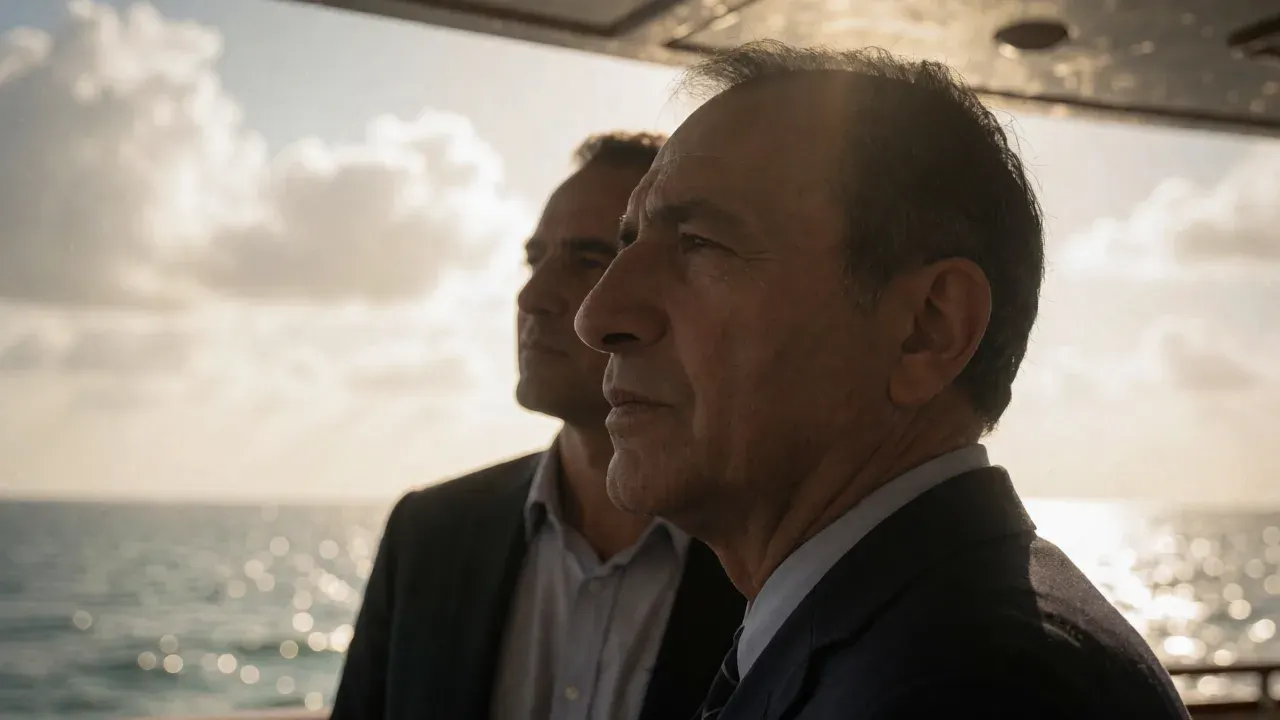
Major General Yahya Rahim Safavi, the Assistant and Senior Advisor to the Commander-in-Chief of the Iranian Armed Forces, has introduced a new amendment to the strategic defense authorization. He affirmed on Thursday that any new US or "Israeli" attack on Iran would lead to the expansion of the war and the opening of a new front. From this procedural standpoint, the General emphasized that security arrangements in the Persian Gulf and West Asia would not be effective without Iran's presence. Safavi stated that the Iranian Armed Forces have prepared plans for worst-case scenarios.
The General provided specific details regarding the potential scope of this new front. In an interview with the Sacred Defense News Agency, Safavi explained that, should a new confrontation erupt, the war front could extend from the Persian Gulf and the Strait of Hormuz to the Red Sea. It would subsequently stretch to the Indian Ocean and other regions. Safavi noted that linking the Gulf with the Red Sea and the straits of Hormuz and Bab al-Mandab would alter the theater of war.
The General pointed to specific strategic choke points that would alter the battlefield dynamics. He noted the possibility of a new front opening around the Red Sea and Bab al-Mandab. Safavi emphasized that Iran would continue to control and manage the Strait of Hormuz. He explained that Tehran had reached a mechanism with the Sultanate of Oman concerning navigation in the strait. However, he noted that the United States is obstructing its implementation.

The General shifted focus to the information front regarding the recent conflicts. He praised the performance of Iranian media and noted that the confrontation was not merely military but also involved an information war. Safavi accused Western and Persian-language media outlets of attempting to sway public opinion and promote narratives that serve Iran's adversaries. He emphasized that Iranian media worked to rapidly report military developments while reinforcing the narrative of national resilience.
First reported by Saba.
More in National
- HBO's 'War' Offers Classy-Trashy Divorce Drama with West and Miller
Anthology series debuts with a sharp, well-cast first season centered on a bitter London divorce between two lawyers.
- Putin Claims Baltic Rights Violations But Denies War Plans in Europe
Kremlin leader claims response strategy relies on humanitarian grounds and international law.
- Canadian Potash Giant Drops $500M on Vancouver Port Upgrade to Secure Global Food Supply
The massive investment aims to boost exports to non-U.S. markets.