Russia's 1997 NATO Withdrawal Demand
Russian representatives in Abu Dhabi have presented a document calling for NATO to roll back its military presence to levels seen in 1997 during talks on ending the war in Ukraine.

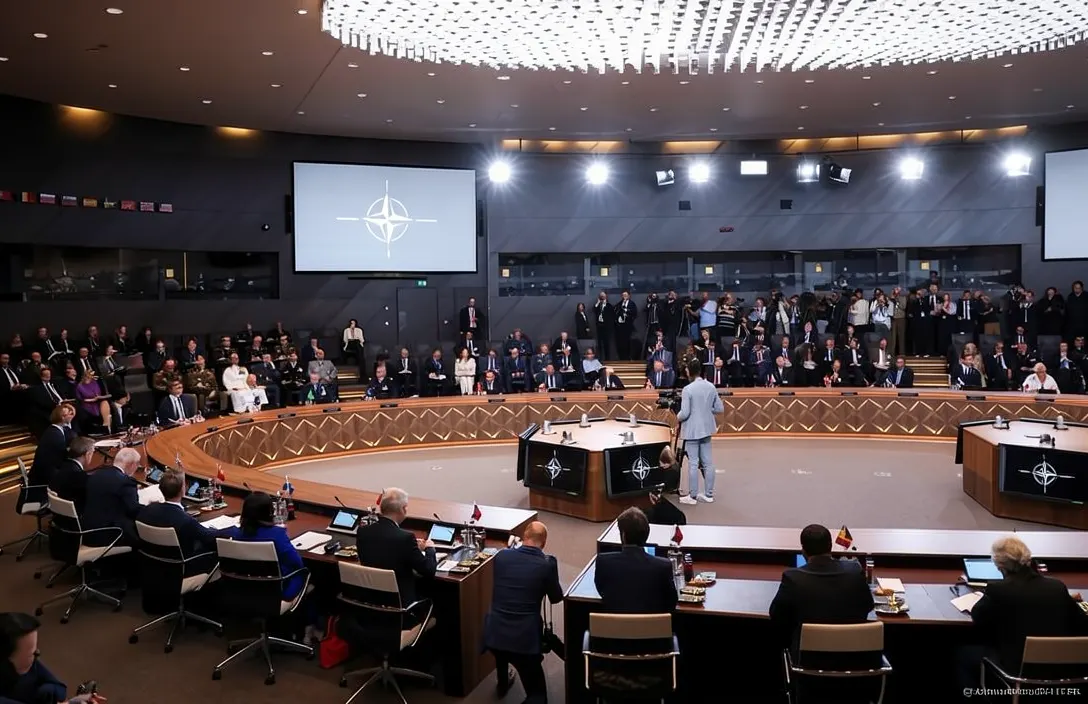
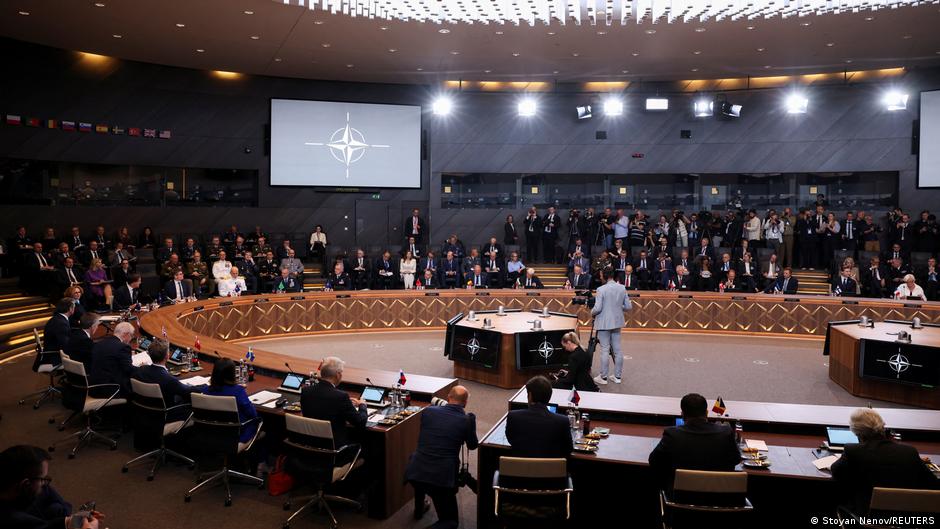
During talks on ending the war in Ukraine, Russian representatives in Abu Dhabi presented a document containing far-reaching demands, The New York Times reports. Dated November 10, the document reportedly calls not only for an end to Western arms deliveries to Ukraine but also for NATO to withdraw its troops and bases and move them back to where they were in 1997. What does Russia mean by 1997? The year 1997 refers to the NATO alliance before its first eastward expansion, according to the Kremlin. At the time, NATO had 16 members. Poland, the Czech Republic and Hungary had already been invited to join but did not formally become members of the defense alliance until two years later. In the following years, more countries in Central, Eastern and Southeastern Europe joined, followed most recently by countries in Scandinavia. Today, NATO has 32 member states in Europe and North America (source ID: 1). [1]
According to the report, Russia is not explicitly demanding that Central and Eastern European countries leave, but rather that the NATO alliance end its military presence in those countries. What would be the consequences of a NATO withdrawal? A withdrawal of NATO troops and bases from member states that joined the alliance after 1997 would significantly weaken their defense capabilities. For example, since 2004, NATO allies, including Germany, have taken turns policing the airspace over Estonia, Latvia and Lithuania. Because the Baltic states do not have fighter jets of their own for independent air policing, NATO provides the capability. Since 2026, the mission has been part of a broader air defense presence (source ID: 1). [1]
In Romania, meanwhile, the Mihail Kogalniceanu Air Base near Constanța on the Black Sea is currently being expanded. Once completed, it is set to become Europe's largest NATO air base by area — even larger than Ramstein in Germany. For more than 20 years, NATO allies have provided air policing over the Baltic states. The strong rejection from the capitals of NATO's eastern members, however, masks fears along the alliance's eastern flank that a deal between Washington and Moscow could turn their security into a bargaining chip (source ID: 1). [1]
During talks on ending the war in Ukraine, Russian representatives in Abu Dhabi presented a document containing far-reaching demands, The New York Times reports. Dated November 10, the document reportedly calls not only for an end to Western arms deliveries to Ukraine but also for NATO to withdraw its troops and bases and move them back to where they were in 1997 (source ID: 1). What does Russia mean by 1997? The year 1997 refers to the NATO alliance before its first eastward expansion, according to the Kremlin. At the time, NATO had 16 members. Poland, the Czech Republic and Hungary had already been invited to join but did not formally become members of the defense alliance until two years later (source ID: 1). [1]
Advertisement
In the following years, more countries in Central, Eastern and Southeastern Europe joined, followed most recently by countries in Scandinavia. Today, NATO has 32 member states in Europe and North America. According to the report, Russia is not explicitly demanding that Central and Eastern European countries leave, but rather that the NATO alliance end its military presence in those countries (source ID: 1). What would be the consequences of a NATO withdrawal? A withdrawal of NATO troops and bases from member states that joined the alliance after 1997 would significantly weaken their defense capabilities (source ID: 1). [1]
For example, since 2004, NATO allies, including Germany, have taken turns policing the airspace over Estonia, Latvia and Lithuania. Because the Baltic states do not have fighter jets of their own for independent air policing, NATO provides the capability. Since 2026, the mission has been part of a broader air defense presence (source ID: 1). In Romania, meanwhile, the Mihail Kogalniceanu Air Base near Constanța on the Black Sea is currently being expanded. Once completed, it is set to become Europe's largest NATO air base by area — even larger than Ramstein in Germany (source ID: 1). [1]
During talks on ending the war in Ukraine, Russian representatives in Abu Dhabi presented a document containing far-reaching demands, The New York Times reports. Dated November 10, the document reportedly calls not only for an end to Western arms deliveries to Ukraine but also for NATO to withdraw its troops and bases and move them back to where they were in 1997 (source ID: 1). The year 1997 refers to the NATO alliance before its first eastward expansion, according to the Kremlin. At the time, NATO had 16 members. Poland, the Czech Republic and Hungary had already been invited to join but did not formally become members of the defense alliance until two years later (source ID: 1). [1]
In the following years, more countries in Central, Eastern and Southeastern Europe joined, followed most recently by countries in Scandinavia. Today, NATO has 32 member states in Europe and North America. According to the report, Russia is not explicitly demanding that Central and Eastern European countries leave, but rather that the NATO alliance end its military presence in those countries (source ID: 1). What would be the consequences of a NATO withdrawal? A withdrawal of NATO troops and bases from member states that joined the alliance after 1997 would significantly weaken their defense capabilities (source ID: 1). [1]
Advertisement
For example, since 2004, NATO allies, including Germany, have taken turns policing the airspace over Estonia, Latvia and Lithuania. Because the Baltic states do not have fighter jets of their own for independent air policing, NATO provides the capability. Since 2026, the mission has been part of a broader air defense presence. The planned deployment of the German Lithuania Brigade, which is expected to be fully operational by the end of 2027, would also have to be halted (source ID: 1). [1]
During talks on ending the war in Ukraine, Russian representatives in Abu Dhabi presented a document containing far-reaching demands, The New York Times reports. Dated November 10, the document reportedly calls not only for an end to Western arms deliveries to Ukraine but also for NATO to withdraw its troops and bases and move them back to where they were in 1997 (source ID: 1). [1]
What does Russia mean by 1997? The year 1997 refers to the NATO alliance before its first eastward expansion, according to the Kremlin. At the time, NATO had 16 members. Poland, the Czech Republic and Hungary had already been invited to join but did not formally become members of the defense alliance until two years later (source ID: 1). [1]
In the following years, more countries in Central, Eastern and Southeastern Europe joined, followed most recently by countries in Scandinavia. Today, NATO has 32 member states in Europe and North America. According to the report, Russia is not explicitly demanding that Central and Eastern European countries leave, but rather that the NATO alliance end its military presence in those countries (source ID: 1). [1]
Advertisement
The Cali Reporter newsletter
The stories worth your time.
California, the country, and what comes next. Join our free newsletter for reporting that keeps you informed.
More in World
- Irish Man Charged with Destroying U.S. Military Aircraft at Shannon Airport
A man from Ireland has been indicted for allegedly destroying a U.S. military aircraft at Shannon Airport, according to prosecutors in New York.
- Trump's APEC Summit and Strategic Meetings
President Donald Trump is set to attend the APEC summit in Shenzhen, China, where he is expected to meet with Chinese President Xi Jinping and participate in a trilateral meeting with Russian President Vladimir Putin,…
- Early Snowfall in Northern England and Scotland
Snowfall occurred in parts of Northern England and southern Scotland, with subsequent melting due to milder temperatures, according to the BBC.