Russia Expands Drone Forces as Alternative to Military Conscription
Russia is allowing conscripts to avoid traditional military service by joining its drone forces, according to a report by Business Insider.

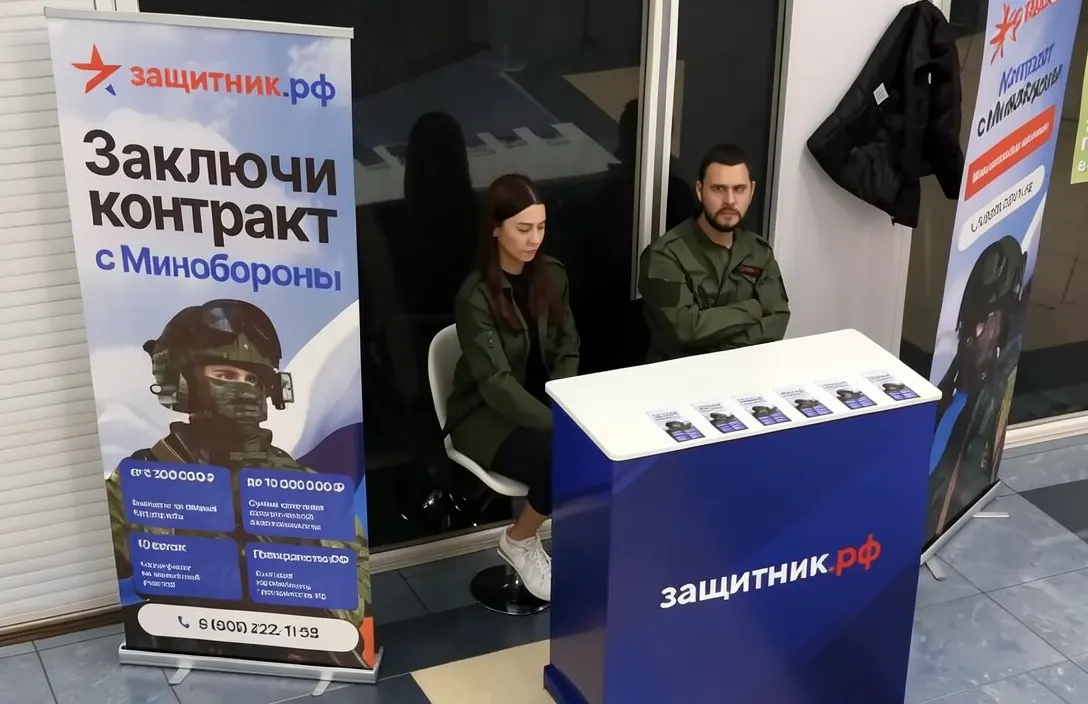
Russia is allowing conscripts in Moscow to avoid their standard one-year military conscription by signing a contract with the country's drone force, according to state media outlet TASS, which cited the capital's military commissar, Maj. Gen. Maxim Loktev. The program, which is currently being piloted, allows men aged 18 to 30 to fulfill their compulsory service by joining Russia's Unmanned Systems Forces, a branch fully established in November 2025. The service branch focuses on air, land, and sea drone warfare, and is seeking candidates with experience in IT, electronics, radio engineering, and aeromodelling (Business Insider, ID: 1). [1]
The Kremlin has pledged that conscripts joining the Unmanned Systems Forces will not be sent to the front lines of Ukraine. However, some conscripts have been posted to Russian regions close to Ukraine, subject to drone attacks or sabotage. Similar conditions are promised to those who sign up for the Unmanned Systems Forces, with Russia recruiting from universities and colleges, telling students they would only be posted to rear areas of the war (Business Insider, ID: 1). [1]
Opposition media in Russia has raised concerns that the country's one-year military contracts may be subject to involuntary renewal. One anti-war lawyer, Artem Klyga, posted what he described as a letter from a top military official in the branch, which stated that once a soldier's contract was up, his commander was legally given the right, but not obligated, to discharge him. Despite these concerns, Russia's Unmanned Systems Forces appears to be recruiting steadily, with Ukrainian officials estimating its size growing from about 10,000 to 20,000 members in November 2025 to over 100,000 troops by April 2026 (Business Insider, ID: 1). [1]
The drone force initiative is being piloted in Moscow, where conscripts can avoid traditional military service by signing a one-year contract with the Unmanned Systems Forces, a branch of the Russian military established in November 2025. This force is dedicated to air, land, and sea drone warfare and is being expanded rapidly by the Kremlin. The service branch is currently recruiting for positions such as drone operators, engineers, and technicians, with a focus on candidates having expertise in IT, electronics, radio engineering, and aeromodelling. The program is part of a broader effort to address Russia's need for specialized personnel in unmanned systems technology, as the country seeks to modernize its military capabilities amid the ongoing conflict in Ukraine. [1]
Advertisement
Russia's Unmanned Systems Forces is projected to grow significantly, with plans to expand the branch to 210,000 servicemen by 2030. As of April 2026, Ukrainian officials estimated that the force had grown from about 10,000 to 20,000 members in November 2025 to over 100,000 troops. This rapid expansion highlights the strategic importance the Kremlin places on drone warfare, as it seeks to bolster its military presence and technological edge in the conflict. However, concerns have been raised about the potential for indefinite contract renewals, which could effectively turn these one-year commitments into long-term military obligations for conscripts. [1]
The recruitment efforts for the Unmanned Systems Forces include outreach to universities and colleges, where students are told they will be posted to rear areas of the war, away from the front lines. However, reports from opposition media and the BBC's Russian service have indicated that some individuals who signed up for the force were instead sent to infantry assault units. In one notable case, three students were killed in frontline combat after joining the Unmanned Systems Forces, raising questions about the accuracy of recruitment assurances and the potential risks faced by conscripts who believe they are being assigned to safer roles. [1]
The initiative also includes incentives such as large sign-up bonuses for men willing to fight in Ukraine, in addition to the option of avoiding traditional conscription by joining the drone force. Despite these incentives, there have been concerns within Russia about the legal framework surrounding the one-year military contracts, as federal law grants commanders discretion over a soldier's release. This has led to allegations that contracts may be renewed indefinitely, effectively tying conscripts to military service for extended periods, even if they initially signed up for a limited term. These concerns have been amplified by reports of conscripts being stationed in regions close to Ukraine, where they may be exposed to drone attacks or sabotage. [1]
Russia is allowing conscripts in Moscow to avoid their standard one-year military conscription by signing a contract with the country's drone force, according to state media outlet TASS, which cited the capital's military commissar, Maj. Gen. Maxim Loktev (Evidence 1). The program, currently being piloted, allows conscripts to fulfill their military service obligation by joining Russia's Unmanned Systems Forces, a dedicated branch for air, land, and sea drone warfare. Loktev stated that the service branch was fully established in November 2025 and is actively recruiting for positions such as drone operators, engineers, and technicians, with a focus on candidates with IT and electronics experience (Evidence 1). [1]
Advertisement
The Kremlin has pledged that conscripts joining the Unmanned Systems Forces will not be sent to the front lines of Ukraine (Evidence 1). However, opposition media in Russia has raised concerns that the country's one-year military contracts may be subject to involuntary renewal, potentially extending service indefinitely while the war in Ukraine lasts (Evidence 1). These concerns are supported by reports from Russian anti-war lawyer Artem Klyga, who cited a letter from a top military official in the branch stating that commanders have the legal right, but not the obligation, to discharge soldiers after their contract expires (Evidence 1). [1]
Despite assurances from the Kremlin, reports have emerged that some who signed such contracts were sent to infantry assault units. The BBC's Russian service reported in June that three students were killed in frontline combat after signing up for the Unmanned Systems Forces (Evidence 1). Russia's defense ministry has issued instructions for commanders to abide by contract terms, but the framework for discharge remains unclear as federal law still grants commanders discretion over a soldier's release (Evidence 1). [1]
Sources
Prepared with AI assistance from the cited sources.
The Cali Reporter newsletter
The stories worth your time.
California, the country, and what comes next. Join our free newsletter for reporting that keeps you informed.
More in Business
- Kirkland Signature Meals: A Family's Take on Taste and Value
A family's review of Kirkland Signature meals highlights a mix of flavors, textures, and value at Costco, with some dishes standing out while others fall short of expectations.
- Ex-OpenAI Engineer Donates Equity to AI Safety
Jacob Coxon, a former engineer at OpenAI and Anthropic, has pledged to donate his equity in OpenAI to AI safety research, citing concerns over the risks of uncontrolled AI development.
- Scottish Hacker Sentenced for Crypto Theft Scheme
A Scottish hacker has been sentenced to six years in U.S. federal prison for orchestrating a large-scale cryptocurrency theft operation, according to a report from the U.S. Attorney’s Office for the Central District of…