Rocket Failure Marks Setback for ULA and Amazon's Satellite Internet Ambitions
A failed launch of the Vulcan rocket by United Launch Alliance has raised questions about the reliability of the vehicle and the future of Amazon's satellite internet program.


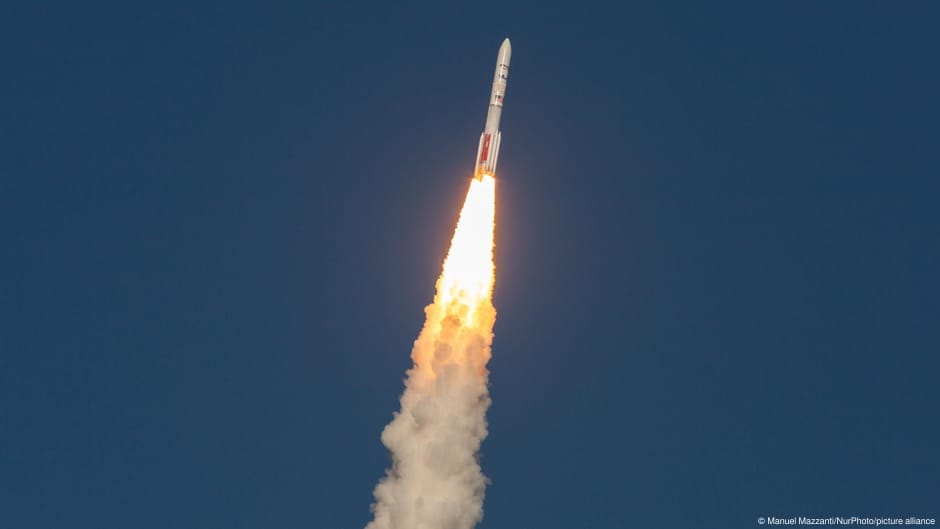
A Vulcan rocket operated by United Launch Alliance (ULA), a joint venture of Boeing and Lockheed Martin, failed approximately 10 minutes after liftoff from the Cape Canaveral Space Force Station on Sunday, resulting in the loss of all 40 AmazonLeo internet satellites aboard (source ID: 1). ULA confirmed in a statement that the Vulcan vehicle suffered an anomaly 10 minutes into the flight and failed to deliver the Amazon mission to orbit. The exact cause of the failure was not immediately clear, with ULA noting that it would take time to analyze the data collected from the mission. [1]
This incident marks the first mission failure in ULA's history, ending its record of successful mission deliveries since its formation in 2006 (source ID: 1). The failed launch was the fifth for the Vulcan rocket since its debut in 2024 and the first in nine months. The gap followed technical investigations into the rocket's solid rocket boosters and core BE-4 engines, which are supplied by Blue Origin. The Space Force has paused Vulcan's national security launches pending the outcome of an investigation and the implementation of corrective measures. [1]
The failure is expected to trigger a lengthy technical investigation, potentially grounding the Vulcan rocket for months (source ID: 1). The incident raises fresh concerns over US launch capacity, particularly as SpaceX is no longer accepting bookings for its Falcon 9 rocket. Amazon has expressed confidence in ULA, stating that the company will learn from the mission and deliver on its long-term plans for the Vulcan rocket. However, repeated launch setbacks have complicated Amazon's efforts to compete with SpaceX's Starlink satellite internet network. [1]
The failure of the Vulcan rocket operated by United Launch Alliance (ULA) has prompted a technical investigation, with the company stating that the exact cause of the anomaly is not yet clear (source ID: 1). ULA confirmed in a statement that the Vulcan vehicle suffered an anomaly 10 minutes into the flight and failed to deliver the Amazon mission to orbit. The company emphasized that every flight generates data and that the investigation is in its early stages, as no specific data has been analyzed yet. This marks the first mission failure in ULA's history, ending its record of successful mission deliveries since its formation in 2006 (source ID: 1). [1]
Advertisement
The failed launch raises concerns about the future of ULA's Vulcan rocket, with the possibility of a lengthy investigation that could ground the rocket for months (source ID: 1). The incident has also reignited scrutiny over the BE-4 engines supplied by Blue Origin, as the Space Force paused Vulcan's national security launches pending the outcome of an investigation and the implementation of corrective measures. ULA officials confirmed that modifications were made to the BE-4 engines supplied to the company following previous issues, but it remains unclear whether these engines played any role in Sunday's failure (source ID: 1). [1]
The failure of the Vulcan rocket is expected to complicate Amazon's efforts to deploy its AmazonLeo satellite internet network, as the company had hoped to begin initial internet services this year (source ID: 1). Amazon previously relied on ULA's Atlas V rockets for its launches, but the repeated setbacks with the Vulcan rocket have increased the complexity and cost of deploying its constellation. Before Sunday's failed mission, Amazon had launched 398 Leo satellites across 14 missions since 2025, according to Reuters, representing about 12% of the 3,236 satellites needed for global coverage (source ID: 1). [1]
The failure of the Vulcan rocket operated by United Launch Alliance (ULA) has prompted a technical investigation, with the company stating that the exact cause of the anomaly is not yet clear (source ID: 1). ULA confirmed the anomaly occurred 10 minutes into the flight, resulting in the loss of all 40 AmazonLeo internet satellites aboard. The company emphasized that every flight generates data, and every flight teaches something, but since the anomaly just occurred, they do not yet have specific data to understand what happened (source ID: 1). [1]
The failed launch marks a major setback for ULA's new flagship rocket, with the failure expected to trigger a lengthy technical investigation that could ground the Vulcan rocket for months (source ID: 1). ULA was formed in 2006 through the merger of Boeing's Delta rocket program and Lockheed Martin's Atlas rocket program, and this incident represents the first total mission failure in the company's history, ending its record of successful mission deliveries since its formation (source ID: 1). [1]
Advertisement
Sunday's launch was Vulcan's fifth since its debut in 2024 and its first in nine months. The gap followed separate technical investigations into its solid rocket boosters and core BE-4 engines, which are supplied by Blue Origin (source ID: 1). The Space Force paused Vulcan's national security launches pending the outcome of an investigation and the implementation of corrective measures (source ID: 1). [1]
The failure of the Vulcan rocket operated by United Launch Alliance (ULA) has prompted a technical investigation, with the company stating that the exact cause of the anomaly is not yet clear (source ID: 1). The incident resulted in the loss of all 40 AmazonLeo internet satellites aboard, marking the company's first mission failure (source ID: 1). ULA confirmed that the Vulcan vehicle launched from Space Launch Complex 41 suffered an anomaly 10 minutes into the flight and failed to deliver the Amazon mission to orbit (source ID: 1). [1]
The failed launch marks a major setback for ULA's new flagship rocket, with the failure expected to trigger a lengthy technical investigation that could ground the Vulcan rocket for months (source ID: 1). The two-decade-old company was set to begin a regular cadence of launches for Amazon's burgeoning satellite internet program (source ID: 1). The Space Force paused Vulcan's national security launches pending the outcome of an investigation and the implementation of corrective measures (source ID: 1). [1]
Sunday's launch was Vulcan's fifth since its debut in 2024 and its first in nine months. The gap followed separate technical investigations into its solid rocket boosters and core BE-4 engines, which are supplied by Blue Origin (source ID: 1). The incident marked the first total mission failure in the company's history, ending its record of successful mission deliveries since its formation in 2006 (source ID: 1). [1]
Advertisement
The Cali Reporter newsletter
The stories worth your time.
California, the country, and what comes next. Join our free newsletter for reporting that keeps you informed.
More in World
- Irish Man Charged with Destroying U.S. Military Aircraft at Shannon Airport
A man from Ireland has been indicted for allegedly destroying a U.S. military aircraft at Shannon Airport, according to prosecutors in New York.
- Trump's APEC Summit and Strategic Meetings
President Donald Trump is set to attend the APEC summit in Shenzhen, China, where he is expected to meet with Chinese President Xi Jinping and participate in a trilateral meeting with Russian President Vladimir Putin,…
- Early Snowfall in Northern England and Scotland
Snowfall occurred in parts of Northern England and southern Scotland, with subsequent melting due to milder temperatures, according to the BBC.