Rising Delinquencies and Stable Prices in 2026 Housing Market
In 2026, the U.S. housing market exhibits a unique combination of rising mortgage delinquencies and stable nominal home prices, diverging from the 2008 crisis pattern. This divergence is highlighted by recent data from…

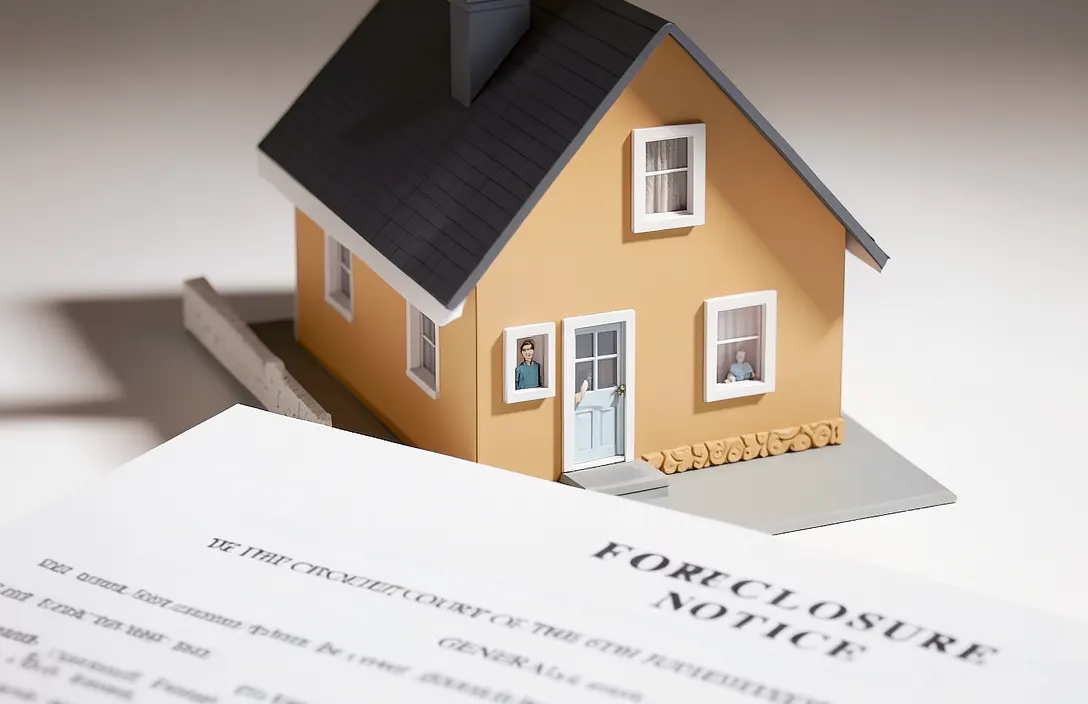

In 2008, HousingWire published an analysis asking whether severe mortgage delinquencies were pushing home prices down, or falling prices were pushing delinquencies up. Seventeen of 20 major metros showed a significant negative correlation between 60-plus-day delinquencies and Case-Shiller prices. Granger causality tests found delinquency trends and predicted price trends in 13 metros; six showed a two-way relationship, and only San Francisco showed prices leading delinquencies. In most markets, distress appeared to be part of the mechanism driving prices lower. The 2026 market looks very different. Delinquencies are rising year over year while nominal prices still rise nationally. The 2008 relationship may not have vanished, but the housing-credit system may have moved into a different causal regime. The pairing has come apart (source ID: 1). [1]
The Mortgage Bankers Association reported a 4.37% national delinquency rate in the second quarter, 44 basis points above a year earlier. The 90-day rate edged up to 1.43%, foreclosures stood at 0.67% of loans and the seriously delinquent rate rose for a fourth straight quarter. Yet the S&P CoreLogic Case-Shiller National Index rose 1.9% year over year in July, the 20-City Composite 2.5% and FHFA’s index 2.6%. Prices have fallen in real terms for 14 straight months, though much of July’s 3.4% inflation was energy-driven; core inflation was 2.5%. The market combines nominal stability, real erosion and rising credit stress, a configuration unlike 2008 (source ID: 1). [1]
Washington, D.C. – U.S. house prices rose nationwide in July, up 0.3 percent from the previous month, according to the U.S. Federal Housing (FHFA) seasonally adjusted monthly House Price Index (FHFA HPI®). House prices rose 2.6 percent from July 2025 to July 2026. The previously reported 0.0 percent price movement in June remained unchanged. For the nine census divisions, seasonally adjusted monthly home price changes ranged from -0.8 percent in the Mountain division to +1.5 percent in the Middle Atlantic division. The 12-month changes ranged from +0.6 percent in the Mountain division to +6.3 percent in the Middle Atlantic division (source ID: 2). [2]
In 2008, HousingWire published an analysis examining the relationship between severe mortgage delinquencies and home prices. The study found that in 17 of 20 major metropolitan areas, there was a significant negative correlation between delinquencies and Case-Shiller prices. Granger causality tests indicated that delinquency trends predicted price trends in 13 metros, with six showing a two-way relationship and only San Francisco exhibiting prices leading delinquencies (HousingWire). [1]
Advertisement
The 2026 market presents a different scenario, with delinquencies rising year over year while nominal prices remain stable nationally. The Mortgage Bankers Association reported a 4.37% national delinquency rate in the second quarter, 44 basis points above a year earlier. However, the S&P CoreLogic Case-Shiller National Index rose 1.9% year over year in July, the 20-City Composite 2.5%, and FHFA’s index 2.6% (HousingWire). [1]
According to the FHFA, U.S. house prices rose 0.3% from June to July 2026 and increased 2.6% from July 2025 to July 2026. The FHFA HPI® measures changes in single-family home values based on data extending back to the mid-1970s, providing insights at the national, census division, state, and local levels. The index uses a transparent methodology based on a weighted, repeat-sales statistical technique (www.fhfa.gov). [2]
In 2008, HousingWire published an analysis examining the relationship between severe mortgage delinquencies and home prices, finding that in 17 of 20 major metros, there was a significant negative correlation between delinquencies and Case-Shiller prices. Granger causality tests showed that delinquency trends often predicted price trends in 13 metros, with six showing a two-way relationship (HousingWire). The 2026 market, however, presents a different scenario, with delinquencies rising year over year while nominal prices remain stable nationally. The Mortgage Bankers Association reported a 4.37% national delinquency rate in the second quarter of 2026, 44 basis points above a year earlier (HousingWire). [1]
According to the Federal Housing Finance Agency (FHFA), U.S. house prices rose nationwide in July 2026, up 0.3 percent from the previous month and 2.6 percent from July 2025. The FHFA HPI is a comprehensive measure of single-family home values based on data from all 50 states and over 400 American cities, reflecting changes at multiple geographic levels (www.fhfa.gov). This stability in nominal prices contrasts with the rising delinquency rates, suggesting that the relationship between delinquency and price may have shifted from the 2008 crisis (HousingWire). [2] [1]
Advertisement
The 2026 market combines nominal price stability, real price erosion, and rising credit stress, a configuration unlike that of 2008. Delinquency rates have increased, but prices have not declined significantly, possibly due to a smaller distressed pipeline compared to the 2008–2010 crisis (HousingWire). This divergence indicates that the mechanisms linking delinquency and price may have evolved, with local conditions and equity levels playing a more prominent role in shaping the transmission of risk (HousingWire). [1]
Sources
Prepared with AI assistance from the cited sources.
The Cali Reporter newsletter
The stories worth your time.
California, the country, and what comes next. Join our free newsletter for reporting that keeps you informed.
More in Housing
- FHA's HECM Portfolio Faces Capital Ratio Challenges
The Federal Housing Administration's 2026 report highlights a significant decline in the capital ratio for its HECM reverse mortgage program, raising concerns about its financial stability and future policy implications.
- Mortgage Rate Projections and Real Estate Industry Concerns
Industry experts are analyzing the potential for mortgage rates to rise to 9% by 2027, though such a scenario is considered unlikely by many. The real estate sector is preparing for a range of challenges, including…
- Non-QM Lending Growth Driven by Changing Buyer Behavior
New research highlights a shift in homebuyer financing strategies, contributing to the expansion of nonqualified mortgage lending.