Rising Concerns Over Tech Outages Prompt Increased Emergency Preparedness
Recent technology outages have led to a surge in public interest in emergency preparedness, with individuals and governments taking proactive steps to ensure readiness for potential disruptions.

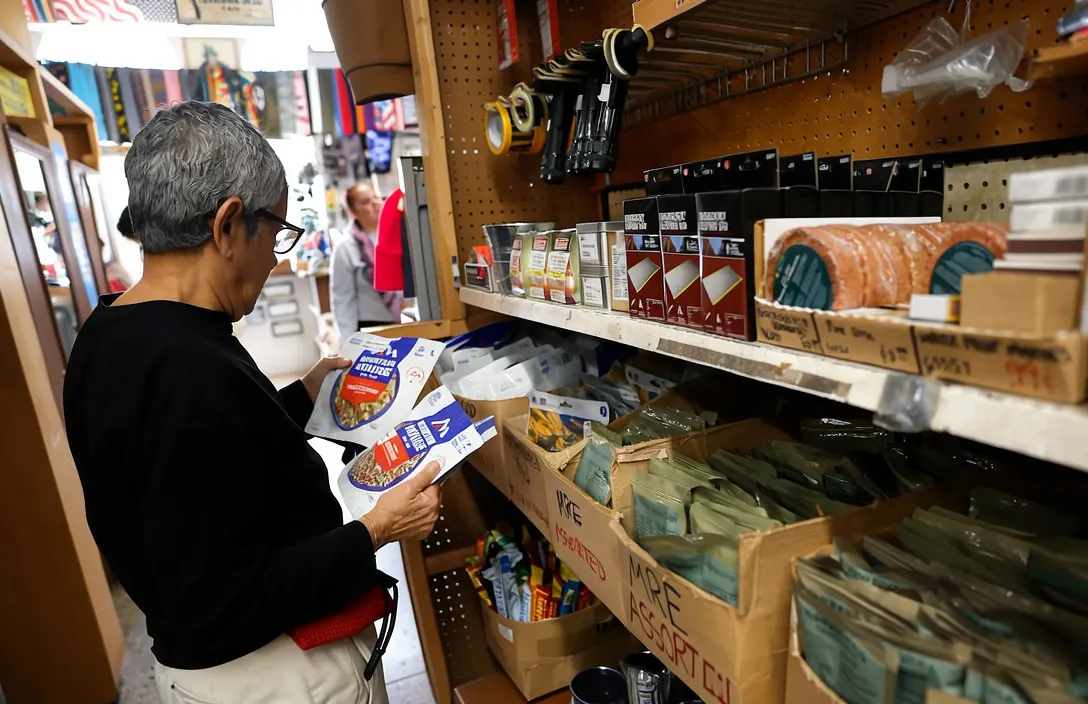

Recent technology outages have prompted some people to stock up on emergency supplies, including food, water, battery-powered radios and survival kits, amid concerns about disruptions to critical services. Teri Brown, a resident of the Denver suburbs, has been preparing her home with extra food, some of which she has started freeze drying, and two 55-gallon tanks to hold extra water. Brown said her months-earlier prepping was validated by the recent outages, which included a Microsoft email outage, an Apple Pay disruption, and a nationwide airport ground stop. These incidents have left many Americans anxious about their ability to cope with prolonged disruptions to the internet or electricity (source ID: 1). [1]
The European Commission has announced new guidelines to help people and communities prepare for emergencies, including during the first 72 hours of a crisis. These guidelines emphasize 72-hour self-sufficiency, preparedness education, disability-inclusive preparedness, and effective communication of risks and threats. The Commission also plans to establish an annual EU Preparedness Day, starting in 2027, to encourage citizens and communities to take an active role in preparing for emergencies. This initiative follows the EU Preparedness Union Strategy, adopted in March 2025, which promotes a whole-of-society approach to strengthening Europe's capacity to anticipate, prevent, and respond to crises (source ID: 2). [2]
Krystal Christensen, a social media influencer with over 400,000 followers, has seen a surge in interest from viewers across generations asking for survival tips, particularly among Gen Z. She emphasizes the importance of buying only what a household needs and discourages panic buying. Despite her advice, panic buying has occurred, with items such as generators and emergency radios selling out quickly. Longtime prepper Derrick James noted that MREs have seen their prices double on Amazon, reflecting increased demand for emergency supplies (source ID: 1). [1]
The European Commission has announced new guidelines to assist people and communities in preparing for emergencies, particularly during the initial 72 hours of a crisis (civil-protection-humanitarian-aid.ec.europa.eu). These guidelines aim to equip individuals with practical steps to ensure their safety and well-being, including packing essential supplies and understanding how to respond during emergencies. The initiative is part of the EU Preparedness Union Strategy, which emphasizes a whole-of-society approach to crisis management and aims to strengthen Europe's capacity to anticipate and respond to threats (civil-protection-humanitarian-aid.ec.europa.eu). [2]
Advertisement
The guidelines cover four key areas: 72-hour self-sufficiency, preparedness education, disability-inclusive preparedness, and effective communication of risks and threats (civil-protection-humanitarian-aid.ec.europa.eu). By addressing these areas, the Commission seeks to foster a culture of preparedness across Europe, ensuring that individuals and communities are better informed and equipped to handle crises. The guidelines also encourage the integration of preparedness into early childhood and primary education, helping children develop essential skills from an early age (civil-protection-humanitarian-aid.ec.europa.eu). [2]
To further promote preparedness, the European Commission has proposed the establishment of an annual EU Preparedness Day, to be held every 23 October starting in 2027 (civil-protection-humanitarian-aid.ec.europa.eu). This day will serve as a platform to raise awareness and encourage citizens to take an active role in preparing for emergencies. It will also recognize the efforts of national, regional, and local authorities, as well as civil protection organizations, in strengthening preparedness across Europe (civil-protection-humanitarian-aid.ec.europa.eu). [2]
The European Commission has announced new guidelines to assist people and communities in preparing for emergencies, particularly during the initial 72 hours of a crisis (civil-protection-humanitarian-aid.ec.europa.eu). The guidelines cover four key areas: 72-hour self-sufficiency, preparedness education, disability-inclusive preparedness, and effective communication of risks and threats (civil-protection-humanitarian-aid.ec.europa.eu). These measures aim to provide practical tools and knowledge to help individuals and communities better anticipate and respond to emergencies. [2]
To further promote preparedness, the European Commission has proposed the establishment of an annual EU Preparedness Day, to be held every 23 October starting in 2027 (civil-protection-humanitarian-aid.ec.europa.eu). This initiative is intended to encourage citizens and communities to take an active role in preparing for emergencies. The date was chosen to mark the anniversary of the establishment of the Civil Protection Mechanism on 23 October 2001, recognizing its role in fostering European solidarity and coordinating disaster response (civil-protection-humanitarian-aid.ec.europa.eu). [2]
Advertisement
The Commission's guidelines emphasize the importance of preparedness education, including integrating preparedness into early childhood and primary education curricula. The guidelines also highlight the need for disability-inclusive preparedness, ensuring that the needs of persons with disabilities are considered in all preparedness planning. Additionally, the Commission is working to improve the communication of risks and threats to ensure that citizens receive timely, accessible, and reliable information before, during, and after emergencies (civil-protection-humanitarian-aid.ec.europa.eu). [2]
Sources
civil-protection-humanitarian-aid.ec.europa.eu
Prepared with AI assistance from the cited sources.
The Cali Reporter newsletter
The stories worth your time.
California, the country, and what comes next. Join our free newsletter for reporting that keeps you informed.
More in West Coast
- COP31 Collapse Highlights Climate Negotiation Challenges
The collapse of COP31, the U.N. climate talks in Turkey, has underscored the difficulties in achieving global consensus on climate action, with experts emphasizing the need for reform and individual efforts moving…
- ScienceWorks Museum to Transition to Community Science Center
ScienceWorks Hands-On Museum in Ashland, Oregon, is pausing most activities and transitioning to a community science center with new resources for all ages, according to a report by Jefferson Public Radio.
- Seniors Embrace Tesla's Automated Driving Despite Safety Concerns
A growing number of older drivers are using Tesla's Full-Self Driving (Supervised) technology to maintain their independence, despite warnings from safety experts about potential risks.