Rhode Island Leads in College Cost Burden
Rhode Island has the highest cost of attending college in the U.S., when measured as a percentage of median household income, according to a recent WalletHub study.

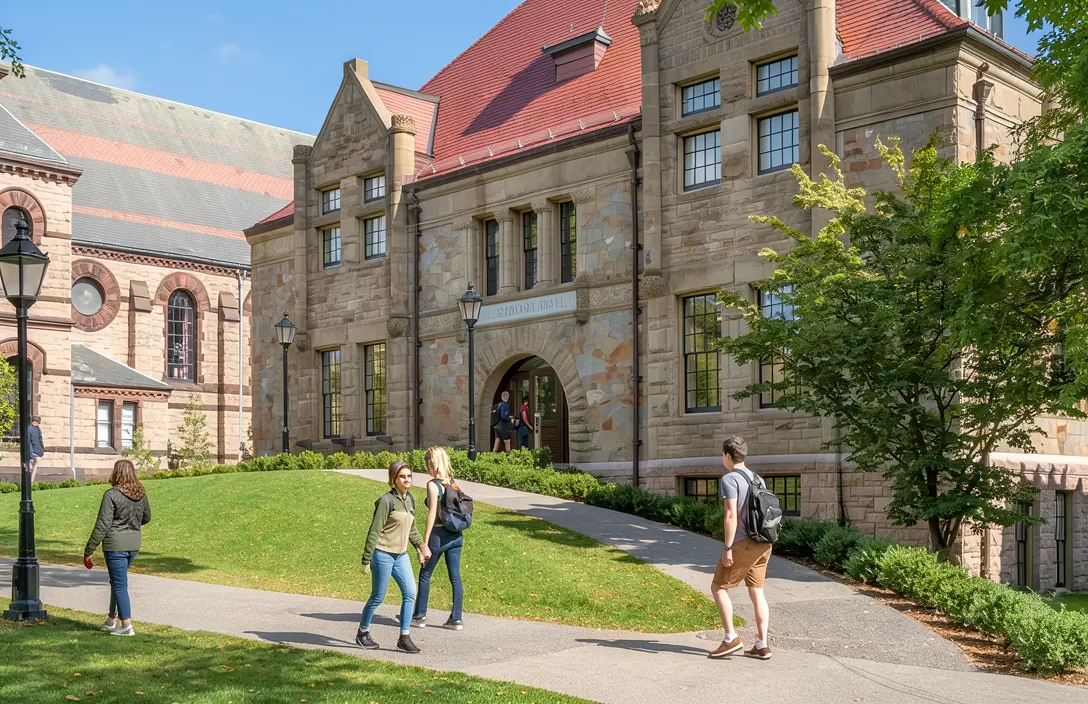
Rhode Island has the highest cost of attending college in the U.S., when measured as a percentage of median household income, according to a recent WalletHub study. The study compared each state's average cost of attending an in-state public college full-time to the state's median annual household income, using data from the U.S. Census Bureau and the National Center for Education Statistics (Source ID: 1). In Rhode Island, a $79,194-a-year undergraduate degree can cost up to 90.2% of the median household income, which is $87,796, making it the most expensive state for college education in terms of income share (Source ID: 1). [1]
In contrast, Utah has the most affordable higher education when comparing the cost of attending an in-state college to the state's median household income. The study found that in Utah, a degree costs only 27.58% of an annual household income, highlighting the disparity in affordability across the country (Source ID: 1). Even in the most affordable state, a college education costs more than a quarter of a year's income, and in 21 states, it costs more than half a year's income (Source ID: 1). [1]
The study excluded Alaska and Wyoming due to data limitations, but it provided a comprehensive ranking of all other states. For example, Hawaii ranks second with college costs accounting for 35.87% of median household income, while Nevada follows closely with 35.88% (Source ID: 1). The data underscores the significant variation in the financial burden of higher education across the U.S., with states like Rhode Island facing extreme challenges in making college accessible to residents (Source ID: 1). [1]
Rhode Island has the highest cost of attending college in the U.S., when measured as a percentage of median household income, according to a recent WalletHub study (Source ID: 1). The study examined each state's average cost of attending an in-state public college full-time and compared it to the state's median annual household income, using data from the US Census Bureau and the National Center for Education Statistics (Source ID: 1). In Rhode Island, a $79,194-a-year undergraduate degree can cost up to 90.2% of the median household income (Source ID: 1). [1]
Advertisement
In contrast, Utah has the most affordable higher education when comparing the cost of attending an in-state college to the state's median household income (Source ID: 1). The study excluded Alaska and Wyoming due to data limitations, but it provided a comprehensive ranking of all other states (Source ID: 1). In Utah, a degree costs only 27.58% of an annual household income (Source ID: 1). [1]
Even in the most affordable state, a college education costs more than a quarter of a year's income, and in 21 states, it costs more than half a year's income (Source ID: 1). The study ranks states based on the percentage of median household income required to cover the cost of a year of undergraduate education at a public college (Source ID: 1). [1]
Rhode Island has the highest cost of attending college in the U.S., when measured as a percentage of median household income, according to a recent WalletHub study (Source ID: 1). The study examined each state's average cost of attending an in-state public college full-time and compared it to the state's median annual household income, using data from the U.S. Census Bureau and the National Center for Education Statistics. In Rhode Island, the total cost of attending an in-state college takes up over 90% of a year's income, with a median household income of $87,796. This makes Rhode Island the most expensive state in the country for college education when measured as a percentage of median household income (Source ID: 1). [1]
In contrast, Utah has the most affordable higher education when comparing the cost of attending an in-state college to the state's median household income (Source ID: 1). Even in the most affordable state, a college education costs more than a quarter of a year's income, and in 21 states, it costs more than half a year's income (Source ID: 1). The study excluded Alaska and Wyoming due to data limitations, but it provided a comprehensive ranking of all other states. The findings highlight significant disparities in the affordability of higher education across the U.S., with states like Rhode Island facing extreme financial barriers for students seeking a college degree (Source ID: 1). [1]
Advertisement
The study provides a detailed breakdown of college costs across states, with data showing that in states like Rhode Island, a $79,194-a-year undergraduate degree can cost up to 90.2% of the median household income. Meanwhile, in Utah, a degree costs only 27.58% of an annual household income. These figures underscore the challenges faced by families in high-cost states, where college education can consume a significant portion of household earnings (Source ID: 1). [1]
Rhode Island has the highest cost of attending college in the U.S., when measured as a percentage of median household income, according to a recent WalletHub study (Source ID: 1). A $79,194-a-year undergraduate degree in Rhode Island can cost up to 90.2% of the median household income, which is $87,796. This places Rhode Island at the top of the ranking for the most expensive state to attend college in terms of income share. [1]
In contrast, Utah has the most affordable higher education when comparing the cost of attending an in-state college to the state's median household income (Source ID: 1). A college education in Utah costs only 27.58% of the median household income, which is significantly lower than the cost in Rhode Island. Even in the most affordable state, a college education costs more than a quarter of a year's income. [1]
The study, which excludes Alaska and Wyoming due to data limitations, provides a detailed breakdown of college costs across states (Source ID: 1). In 21 states, the cost of attending a public in-state college exceeds half of the median household income. This highlights the disparity in college affordability across the country, with some states making a college education significantly more expensive relative to income than others. [1]
Advertisement
The Cali Reporter newsletter
The stories worth your time.
California, the country, and what comes next. Join our free newsletter for reporting that keeps you informed.
More in Business
- Kirkland Signature Meals: A Family's Take on Taste and Value
A family's review of Kirkland Signature meals highlights a mix of flavors, textures, and value at Costco, with some dishes standing out while others fall short of expectations.
- Ex-OpenAI Engineer Donates Equity to AI Safety
Jacob Coxon, a former engineer at OpenAI and Anthropic, has pledged to donate his equity in OpenAI to AI safety research, citing concerns over the risks of uncontrolled AI development.
- Scottish Hacker Sentenced for Crypto Theft Scheme
A Scottish hacker has been sentenced to six years in U.S. federal prison for orchestrating a large-scale cryptocurrency theft operation, according to a report from the U.S. Attorney’s Office for the Central District of…