Reverse Mortgage Industry Faces Challenges in Title and Settlement Services
The reverse mortgage industry is grappling with slow business and complex title and settlement issues, as highlighted in a recent interview with Angel Booth of Premier Reverse Closings.

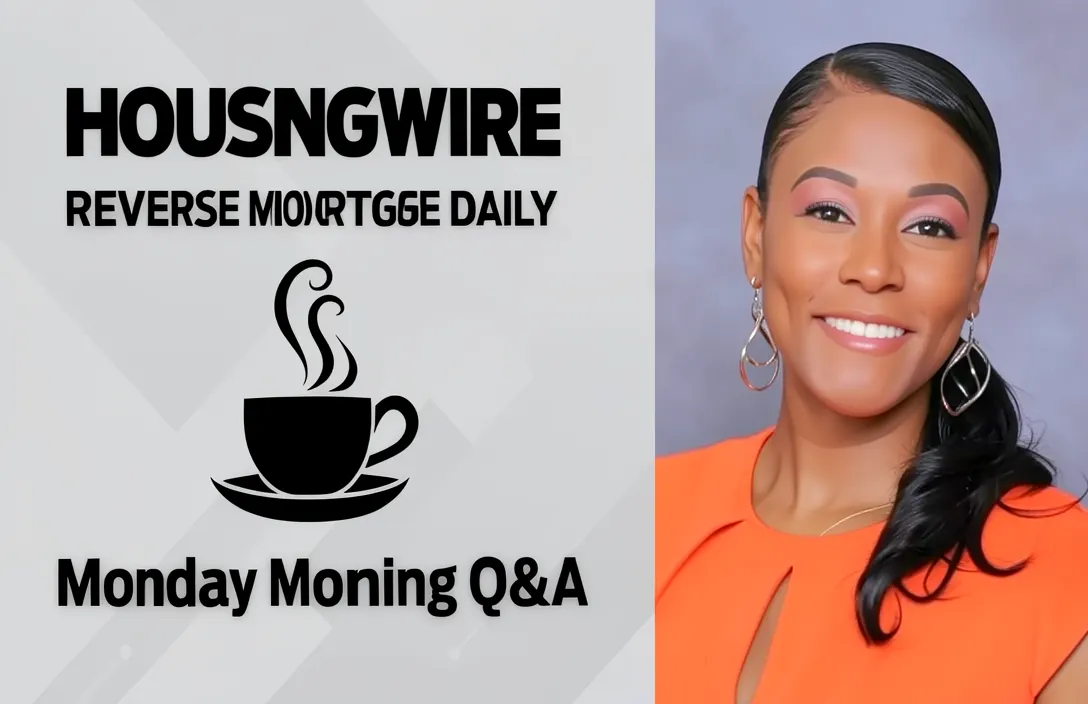

The reverse mortgage industry is facing slow business and complex title and settlement issues, as noted in an interview with Angel Booth of Premier Reverse Closings (PRC) during the National Reverse Mortgage Lenders Association (NRMLA) Annual Meeting & Expo in San Antonio. Booth, who has spent nearly 25 years in the field, mentioned that the past three years have been particularly challenging for reverse mortgages, with numbers running slower than normal, though not as slow as forward mortgages handled by sister companies (HousingWire, 2023). [1]
Booth discussed the challenges of mismatches between reverse mortgage servicing records and title records, emphasizing the need for borrowers to consult servicers before making changes to their property titles. She explained that such mismatches can lead to complications during the closing process, including deceased parties or family disputes, which can hinder the transaction and lead to future legal issues (HousingWire, 2023). [1]
Booth also highlighted the importance of training and education in the title and settlement industry, noting that there is no formal training for these roles, and companies often rely on hiring individuals with the right skill sets and character. She emphasized the need to engage younger people through college fairs and internships to ensure the next generation of professionals is well-prepared (HousingWire, 2023). [1]
Angel Booth, with over 24 years of experience in the reverse mortgage and title and settlement services industry, discussed the current challenges facing the sector during an interview with HousingWire. Booth emphasized that the reverse mortgage business has been slower than usual over the past three years, although it is not as slow as the forward mortgage business handled by sister companies within her conglomerate. Booth noted that the industry is still busy with difficult files, and the company is pushing through these transactions every day (source ID: 1). [1]
Advertisement
Booth highlighted the importance of avoiding mismatches between reverse mortgage servicing records and title records, which can occur when borrowers make changes to their property titles without consulting their servicers. These mismatches can lead to complications such as deceased parties not signing off or family members refusing to sign due to financial disputes. Booth explained that these issues often arise when borrowers make changes to their titles based on advice from attorneys who may not fully understand the implications from a title perspective (source ID: 1). [1]
Booth also addressed the need for better training and education in the title and settlement industry, noting that there is currently no formal training for these roles. Instead, companies rely on hiring individuals with the right skill sets and character, and then training them on the job. Booth emphasized the importance of cross-training within the company to ensure that employees understand the entire process, not just one part of it. She also mentioned that PRC is looking to recruit younger individuals through college fairs and high school internships to help shape the next generation of title and settlement professionals (source ID: 1). [1]
Angel Booth of Premier Reverse Closings (PRC) has spent nearly 24 years in the reverse mortgage and title and settlement services industry, gaining experience in various operational roles. During an interview with HousingWire, Booth emphasized the importance of experience in the sector, noting that she has held positions ranging from filing paperwork to managing operations. Booth currently serves as vice president of operations and national sales manager at PRC, a role she describes as an extension of her prior responsibilities. Her extensive background in the industry has allowed her to develop a deep understanding of the challenges faced by reverse mortgage professionals. [1]
Booth discussed the current challenges facing the reverse mortgage industry, including the slow pace of business and the complexities of title and settlement processes. She noted that the past three years have been particularly difficult for reverse mortgage transactions, with numbers running lower than usual. However, she emphasized that PRC remains busy closing loans, even if the process involves dealing with difficult files. The slowdown in business is not as pronounced as it is for some sister companies that handle forward mortgages, but Booth acknowledged that the industry is experiencing a period of fluctuation. [1]
Advertisement
A significant issue in the reverse mortgage sector is the mismatch between servicing records and title records, which can lead to complications during the closing process. Booth explained that borrowers often make changes to their property titles without consulting their servicers, resulting in problems such as deceased parties or family members who refuse to sign off on transactions. She emphasized the need for borrowers to consult servicers before making any changes to their titles and highlighted the importance of having human oversight in title and settlement processes, even with the use of AI tools. [1]
Angel Booth of Premier Reverse Closings (PRC) has spent nearly 24 years in the reverse mortgage and title and settlement services industry, gaining experience in various operational roles. Booth discussed the current challenges facing the reverse mortgage industry, including the slow pace of business and the complexities of title and settlement processes. A significant issue in the reverse mortgage sector is the mismatch between servicing records and title records, which can lead to complications during the closing process (source ID: 1). [1]
Booth highlighted the importance of avoiding mismatches between reverse mortgage servicing records and title records, which can occur when borrowers make changes to their property titles without consulting their servicers. She emphasized the need for borrowers to be proactive in communicating with their servicers before making any changes to their property titles (source ID: 1). [1]
Booth also addressed the need for better training and education in the title and settlement industry, noting that there is currently no formal training for these roles. She explained that many individuals entering the industry lack specific training, and that companies often rely on character and skill sets when hiring for these positions (source ID: 1). [1]
Advertisement
The Cali Reporter newsletter
The stories worth your time.
California, the country, and what comes next. Join our free newsletter for reporting that keeps you informed.
More in Housing
- FHA's HECM Portfolio Faces Capital Ratio Challenges
The Federal Housing Administration's 2026 report highlights a significant decline in the capital ratio for its HECM reverse mortgage program, raising concerns about its financial stability and future policy implications.
- Mortgage Rate Projections and Real Estate Industry Concerns
Industry experts are analyzing the potential for mortgage rates to rise to 9% by 2027, though such a scenario is considered unlikely by many. The real estate sector is preparing for a range of challenges, including…
- Non-QM Lending Growth Driven by Changing Buyer Behavior
New research highlights a shift in homebuyer financing strategies, contributing to the expansion of nonqualified mortgage lending.