Reverse Mortgage Industry Adapts Amid Policy Uncertainty
Jesse Allen of Rate discusses strategies for growth in the reverse mortgage sector despite potential changes in federal housing policy.

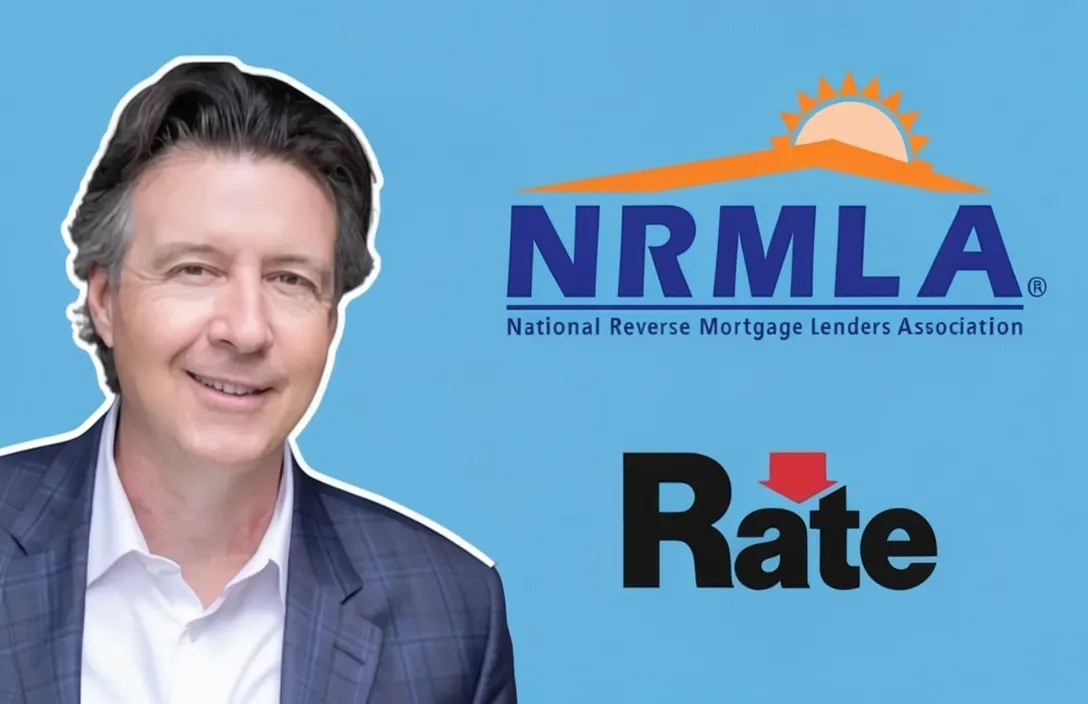

Jesse Allen, president of the 55+ lending division at Rate, emphasized the importance of planning for the 'down case' scenario regarding Federal Housing Administration (FHA) policy on upfront mortgage insurance premiums (MIP) for Home Equity Conversion Mortgages (HECMs) (HousingWire, 2027). Allen highlighted that lenders should expand their product menus to insulate themselves from obstacles to federally insured loans, suggesting that responsible home equity release could be a significant opportunity for the mortgage industry (HousingWire, 2027). [1]
Allen noted that while the Trump administration remains 'very comfortable' with current MIP structures for FHA-insured single-family home loans and reverse mortgages, political transitions may delay changes (HousingWire, 2027). He stressed that his business model does not rely on potential policy shifts, but rather on preparing for various scenarios (HousingWire, 2027). [1]
Rate, a nondelegated correspondent lender for proprietary reverse mortgage products and fully delegated on FHA-backed HECM products, reported that proprietary loans make up about 40% of its reverse mortgage originations, with private-label loans showing growth (HousingWire, 2027). Rate's HECM volume is also increasing, with the company outpacing the industry year over year (HousingWire, 2027). [1]
Allen highlighted reverse for purchase financing as a tool for addressing affordability, noting that one of Rate’s top loan officers recently closed a reverse for purchase deal for the parent of a real estate agent partner (HousingWire, 2027). He emphasized the importance of specialty lending, including non-QM and builder programs, alongside reverse mortgages (HousingWire, 2027). [1]
Advertisement
Jesse Allen, president of the 55+ lending division at Rate, emphasized the importance of planning for the 'down case' scenario regarding Federal Housing Administration (FHA) policy on upfront mortgage insurance premiums (MIP) for Home Equity Conversion Mortgages (HECMs) (HousingWire, 2027). Allen noted that while the Trump administration remains 'very comfortable' with current MIP structures for FHA-insured single-family home loans and reverse mortgages, political transitions may delay changes (HousingWire, 2027). [1]
Allen highlighted that lenders should look to expand their product menus to insulate themselves from any obstacles to federally insured loans, and he pitched responsible home equity release as the next big opportunity for the wider mortgage industry (HousingWire, 2027). He also mentioned that cutting some fees could pull more people into the FHA’s Mutual Mortgage Insurance Fund, which he called 'basic insurance economics.' [1]
Rate, a nondelegated correspondent lender for proprietary reverse mortgage products and fully delegated on FHA-backed HECM products, has seen growth in both proprietary and HECM originations (HousingWire, 2027). Proprietary loans make up about 40% of Rate’s reverse mortgage originations, and the company has outpaced the industry year over year in HECM volume. [1]
Jesse Allen, president of the 55+ lending division at Rate, emphasized the importance of preparing for potential changes in Federal Housing Administration (FHA) policy regarding upfront mortgage insurance premiums (MIP) for Home Equity Conversion Mortgages (HECMs) (HousingWire, 2027). Allen noted that while the Trump administration remains 'very comfortable' with current MIP structures for FHA-insured single-family home loans and reverse mortgages, political transitions may delay changes (HousingWire, 2027). [1]
Advertisement
Allen highlighted that lenders should look to expand their product menus to insulate themselves from any obstacles to federally insured loans, and he pitched responsible home equity release as the next big opportunity for the wider mortgage industry (HousingWire, 2027). Rate, a nondelegated correspondent lender for proprietary reverse mortgage products and fully delegated on FHA-backed HECM products, is growing its reverse mortgage business despite the uncertain environment (HousingWire, 2027). [1]
Allen said that cutting some fees would pull more people into the FHA’s Mutual Mortgage Insurance Fund, which he called 'basic insurance economics.' He also noted that with the political transition underway after the recent midterm elections, he does not expect quick action on potential changes to MIP structures (HousingWire, 2027). [1]
Jesse Allen, president of the 55+ lending division at Rate, emphasized the importance of planning for the 'down case' scenario regarding Federal Housing Administration (FHA) policy on upfront mortgage insurance premiums (MIP) for Home Equity Conversion Mortgages (HECMs) (HousingWire, 2027). Allen noted that while the Trump administration remains 'very comfortable' with current MIP structures for FHA-insured single-family home loans and reverse mortgages, political transitions may delay changes (HousingWire, 2027). [1]
Allen highlighted that lenders should look to expand their product menus to insulate themselves from any obstacles to federally insured loans, and he pitched responsible home equity release as the next big opportunity for the wider mortgage industry (HousingWire, 2027). He said that cutting some fees would pull more people into the FHA’s Mutual Mortgage Insurance Fund, which he called 'basic insurance economics.' [1]
Advertisement
Rate, a nondelegated correspondent lender for proprietary reverse mortgage products and fully delegated on FHA-backed HECM products, reported that proprietary loans make up about 40% of its reverse mortgage originations, with private-label loans showing growth (HousingWire, 2027). Allen emphasized that HECM lines of credit can grow for the life of the loan if the borrower meets requirements, unlike proprietary lines of credit, which typically stop growing after seven to 10 years. [1]
Sources
Prepared with AI assistance from the cited sources.
The Cali Reporter newsletter
The stories worth your time.
California, the country, and what comes next. Join our free newsletter for reporting that keeps you informed.
More in Housing
- FHA's HECM Portfolio Faces Capital Ratio Challenges
The Federal Housing Administration's 2026 report highlights a significant decline in the capital ratio for its HECM reverse mortgage program, raising concerns about its financial stability and future policy implications.
- Mortgage Rate Projections and Real Estate Industry Concerns
Industry experts are analyzing the potential for mortgage rates to rise to 9% by 2027, though such a scenario is considered unlikely by many. The real estate sector is preparing for a range of challenges, including…
- Non-QM Lending Growth Driven by Changing Buyer Behavior
New research highlights a shift in homebuyer financing strategies, contributing to the expansion of nonqualified mortgage lending.