Recent Revelations in the Entertainment Industry
Recent developments in the entertainment industry have brought long-standing issues of abuse and power to the forefront, with multiple high-profile cases emerging in quick succession.

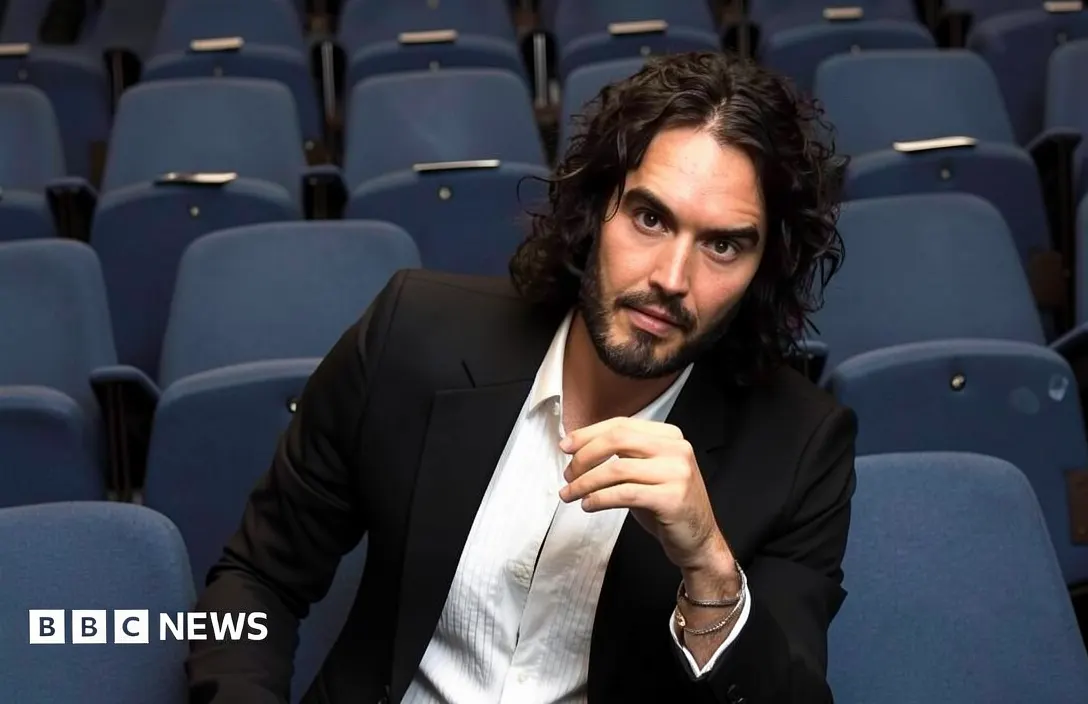

This week, the dark side of television has come crashing into the open. On Monday, disgraced entertainer Russell Brand was jailed for rape and sexual assault. Twenty-four hours later, author and comedian David Walliams was unmasked and accused of preying on young women. By Friday, the Metropolitan Police had launched an investigation into further allegations about him. These developments highlight a reckoning with abuse of power and culture in the entertainment industry. According to the BBC, these stories are the result of journalistic investigations that began years ago, as investigations typically take a long time to reach a conclusion, from initial tip-off to evidence-gathering and reporting (source ID: 1). [1]
The #MeToo movement has played a significant role in changing the perception of whether victims would be believed. In the past, women alleging abuse faced barriers such as being seen as opportunistic or fearing retaliation. Now, there can be a snowball effect where once one or two people come forward, others may feel more encouraged to speak up. Sunday Times columnist Hadley Freeman noted that the change in perception has given women more confidence to come forward, describing those who have spoken out as "beyond brave" (source ID: 1). [1]
Despite these changes, challenges remain for junior freelance workers in the industry, who often find their income unstable and unpredictable. Broadcast union Bectu's head, Philippa Childs, stated that vulnerable workers continue to fear raising concerns. Freeman echoed this, noting that an "attitude of protecting the talent" still exists in some parts of the industry. However, there is a growing recognition that those at the top of media organizations have a responsibility to root out abuse, and this cannot be left solely to the victims (source ID: 1). [1]
Social media has also played a role in encouraging people to speak up, while policing investigations have had to adapt to increased media scrutiny. Recent court proceedings in the Russell Brand case have shown a shift in attitudes, with the judge's remarks being widely praised for dispelling rape myths. Mr Justice Bennathan stated that women retain the right to say no regardless of their clothing, behavior, or location. Freeman noted that although attitudes have changed, there are still barriers to speaking out, particularly for those with access to wealth or fame who may use legal measures to deter alleged victims (source ID: 1). [1]
Advertisement
This week, disgraced entertainer Russell Brand was jailed for rape and sexual assault. Twenty-four hours later, author and comedian David Walliams was accused of preying on young women. By Friday, the Metropolitan Police had launched an investigation into further allegations about him (1). These developments have sparked discussions about the consequences of changes that began years ago, rather than a sudden cultural shift in the entertainment industry (1). [1]
In the case of Russell Brand, there was a police investigation before an outcome was reached in court. Similarly, the men accused of rape and sexual misconduct on Married at First Sight UK have also denied all the allegations (1). These cases have been influenced by the #MeToo movement, which changed the perception of whether victims would be believed (1). [1]
Social media has played a role in encouraging people to speak up. Policing investigations have had to keep pace and adapt with media scrutiny, often prompting authorities to investigate (1). Additionally, the reaction to MasterChef presenter Gregg Wallace facing accusations of inappropriate sexual language and humour was similar to the current cases, with an independent inquiry upholding dozens of claims against him (1). [1]
This week, the dark side of television has come crashing into the open. On Monday, disgraced entertainer Russell Brand was jailed for rape and sexual assault. Twenty-four hours later, author and comedian David Walliams was unmasked and accused of preying on young women. By Friday, the Metropolitan Police had launched an investigation into further allegations about him. These developments are part of a broader reckoning with abuse of power and culture in the industry (Source ID: 1). [1]
Advertisement
In the case of Russell Brand, there was a police investigation before an outcome was reached in court. Social media has played a role in encouraging people to speak up. The revelations about Harvey Weinstein and the #MeToo movement have changed the perception of whether victims would be believed. This has led to a snowball effect, where more women feel empowered to come forward after seeing others do so (Source ID: 1). [1]
When looking at what’s driving more women to speak up, much can be traced back to the revelations about Harvey Weinstein and the #MeToo movement. It changed the perception of whether victims would be believed. In the past, women alleging this sort of behavior faced barriers, such as being seen as opportunistic or fearing retaliation. Now, once one or two people come forward, it can prompt others to revisit their experiences (Source ID: 1). [1]
Sources
Prepared with AI assistance from the cited sources.
The Cali Reporter newsletter
The stories worth your time.
California, the country, and what comes next. Join our free newsletter for reporting that keeps you informed.
More in World
- Irish Man Charged with Destroying U.S. Military Aircraft at Shannon Airport
A man from Ireland has been indicted for allegedly destroying a U.S. military aircraft at Shannon Airport, according to prosecutors in New York.
- Trump's APEC Summit and Strategic Meetings
President Donald Trump is set to attend the APEC summit in Shenzhen, China, where he is expected to meet with Chinese President Xi Jinping and participate in a trilateral meeting with Russian President Vladimir Putin,…
- Early Snowfall in Northern England and Scotland
Snowfall occurred in parts of Northern England and southern Scotland, with subsequent melting due to milder temperatures, according to the BBC.