Rebekah Arter's Death and Police Response
The death of Rebekah Arter, a woman in an abusive relationship with a former police officer, has raised questions about the Metropolitan Police's handling of her case and the circumstances of her death.

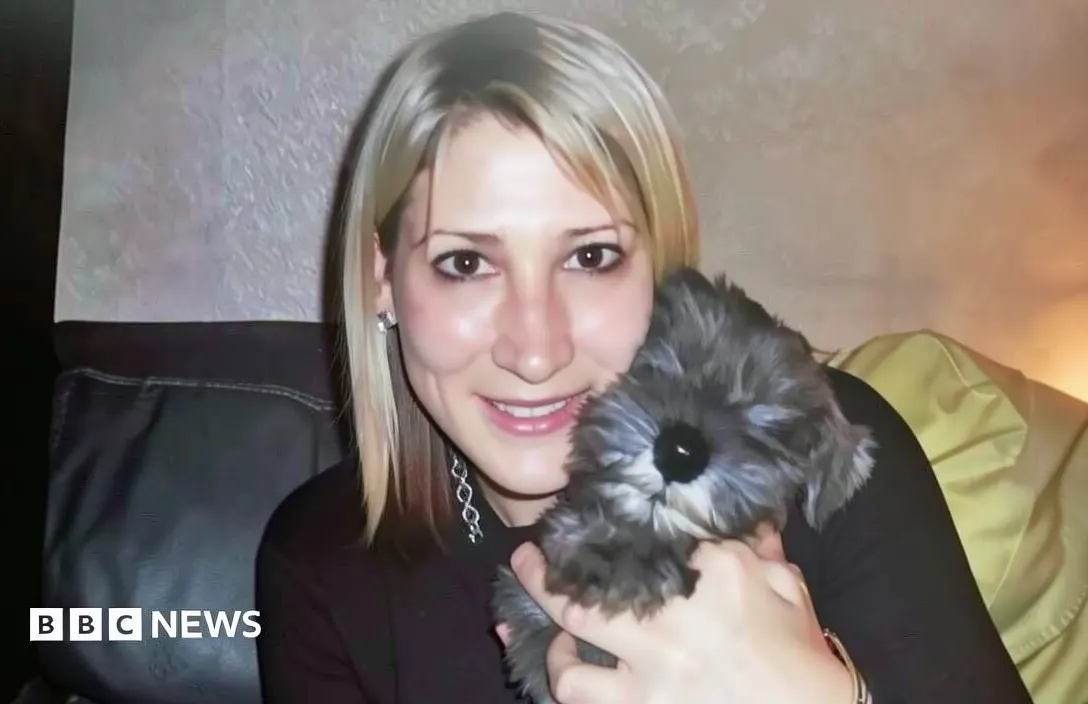

The Metropolitan Police told the BBC that no allegations of criminality had been made regarding Rebekah Arter's death, which led to their decision not to investigate further (1). Rebekah's family has publicly criticized the Met, stating that the police failed her, and the cause of her death remains unknown, as the coroner recorded an open verdict (1). Hotel staff in Barbados, where Arter and Rebekah were staying, confirmed that they were called to the room after Arter informed reception that his wife had collapsed (1). [1]
Arter provided conflicting accounts of what happened, claiming that Rebekah had choked, fallen, and hit her head, or that he had found her dead (1). Forensic evidence was not secured, and key tests were not conducted, including toxicology and histology tests, which could have provided important information about her death (1). Additionally, Rebekah's organs were inexplicably 'chopped up' by a pathologist in Barbados, which destroyed vital evidence and raised concerns about potential obstruction of the investigation (1). [1]
Four days after Rebekah's death, a senior Met commander was briefed about the incident; however, no detectives were sent to Barbados to investigate (1). Arter was later arrested in the UK for alleged sexual offenses against another woman and died in prison shortly after returning from Barbados (1). The coroner noted that the lack of forensic testing and the destruction of evidence raised the possibility of 'deliberate concealment or obstruction of further investigation' (1). [1]
The inquest found that Rebekah Arter's organs were inexplicably "chopped up" into small pieces by a pathologist in Barbados, serving no medical purpose and destroying vital evidence (1). A UK pathologist who examined her body after it had been repatriated confirmed this, stating that key toxicology and histology tests were not conducted, which could have identified signs of disease, injury, or other changes in the body (1). [1]
Advertisement
The coroner, Andrew Harris, said this raised the prospect of "deliberate concealment or obstruction of further investigation" (1). He could not accept the cause of death determined by Barbadian authorities, which was aspiration pneumonitis, and delivered an open verdict (1). The coroner concluded that Rebekah's death likely involved intoxication and said unlawful killing could not be ruled out (1). [1]
The inquest did not consider Arter's alleged sexual exploitation of several other women whose cases he had investigated, as this was outside its scope (1). Police in Barbados previously stated no marks of violence were found on Rebekah's body and that there was nothing to suggest anything untoward, adding that they did not order toxicology tests because they believed she died from natural causes (1). [1]
The inquest found that Rebekah Arter's organs were inexplicably "chopped up" into small pieces by a pathologist in Barbados, serving no medical purpose and destroying vital evidence (1). This action raised concerns about the integrity of the forensic process and the possibility of deliberate concealment or obstruction of further investigation (1). A UK pathologist who examined her body after it had been repatriated confirmed that key toxicology and histology tests were not conducted, which could have provided critical information about the cause of death (1). [1]
The coroner, Andrew Harris, stated that he could not accept the cause of death determined by Barbadian authorities, which was aspiration pneumonitis, and delivered an open verdict (1). He concluded that Rebekah's death likely involved intoxication and said unlawful killing could not be ruled out (1). This finding highlights the limitations of the investigation conducted in Barbados and the lack of transparency in the handling of the case (1). [1]
Advertisement
Police in Barbados have previously stated that no marks of violence were found on Rebekah's body and that there was nothing to suggest anything untoward, adding that they did not order toxicology tests because they believed she died from natural causes (1). However, the lack of forensic testing and the destruction of evidence have led to questions about the thoroughness of the investigation and the possibility of a cover-up (1). [1]
The inquest found that Rebekah Arter's organs were inexplicably "chopped up" into small pieces by a pathologist in Barbados, serving no medical purpose and destroying vital evidence (1). A UK pathologist who examined her body after it had been repatriated confirmed this finding, highlighting the lack of proper forensic procedures (1). This destruction of evidence has raised serious concerns about the integrity of the investigation and the possibility of deliberate concealment or obstruction of further inquiry (1). [1]
The coroner, Andrew Harris, stated that he could not accept the cause of death determined by Barbadian authorities, which was aspiration pneumonitis, and delivered an open verdict (1). He noted that key toxicology and histology tests, which could have provided critical insights into Rebekah's condition, were not conducted (1). The coroner suggested that Rebekah's death likely involved intoxication and that unlawful killing could not be ruled out, despite the lack of conclusive evidence (1). [1]
Police in Barbados have previously stated that no marks of violence were found on Rebekah's body and that there was nothing to suggest anything untoward, adding that they did not order toxicology tests because they believed she died from natural causes (1). However, this conclusion has been challenged by the inquest, which emphasized the lack of a thorough investigation and the absence of key forensic evidence (1). The inquest did not consider Arter's alleged sexual exploitation of several other women whose cases he had investigated, as this was outside its scope (1). [1]
Advertisement
The Cali Reporter newsletter
The stories worth your time.
California, the country, and what comes next. Join our free newsletter for reporting that keeps you informed.
More in World
- Irish Man Charged with Destroying U.S. Military Aircraft at Shannon Airport
A man from Ireland has been indicted for allegedly destroying a U.S. military aircraft at Shannon Airport, according to prosecutors in New York.
- Trump's APEC Summit and Strategic Meetings
President Donald Trump is set to attend the APEC summit in Shenzhen, China, where he is expected to meet with Chinese President Xi Jinping and participate in a trilateral meeting with Russian President Vladimir Putin,…
- Early Snowfall in Northern England and Scotland
Snowfall occurred in parts of Northern England and southern Scotland, with subsequent melting due to milder temperatures, according to the BBC.