Promise Robotics Secures $25M Investment to Expand Homebuilding Automation
Promise Robotics has raised $25 million in a Series B financing round, marking a key step in its efforts to scale automated homebuilding solutions through partnerships with major homebuilders like D.R. Horton.

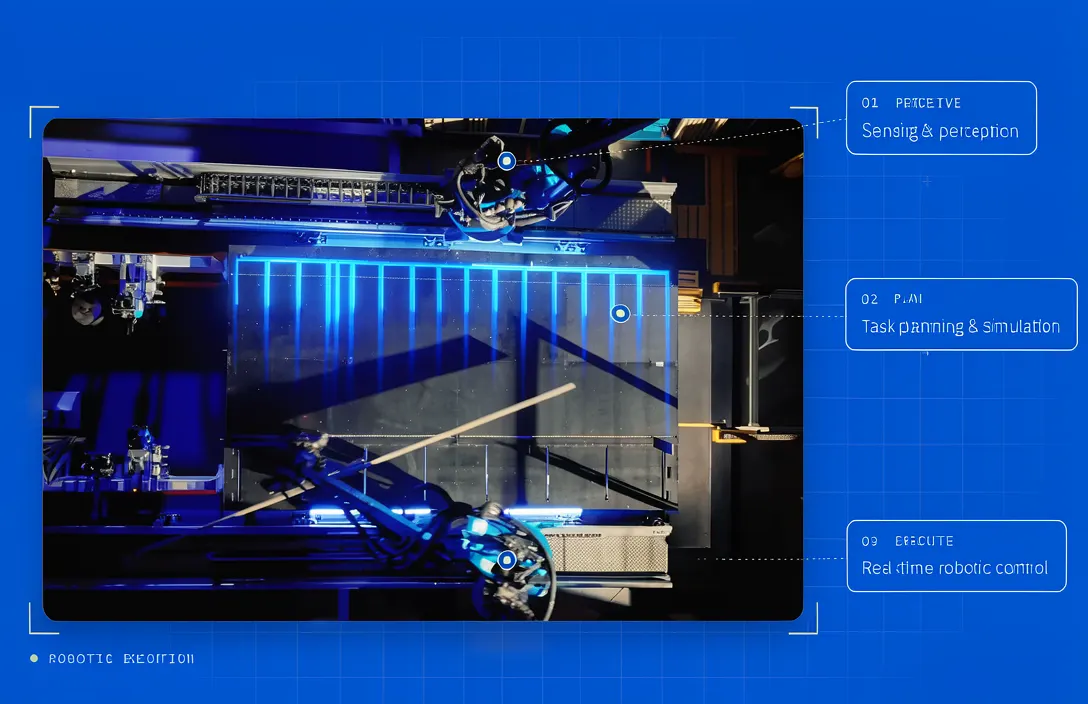

Promise Robotics, a company focused on integrating robotics and artificial intelligence into homebuilding, has raised $25 million in a Series B financing round led by White Star Capital, with participation from Horizons Ventures, Radical Ventures, and the Public Sector Pension Investment Board (HousingWire, 2023). This investment follows a multiyear commercial agreement with D.R. Horton, the largest homebuilder in the U.S., which involves supporting the production of over 1,250 homes. Promise plans to bring its first U.S. manufacturing facility online in Phoenix in 2027, with existing facilities in Calgary and Nisku, Alberta, and over 2,000 housing units under contract across three markets. The company’s co-founder and CEO, Ramtin Attar, emphasized the importance of developing a technology platform while seeking lower-cost financing to scale physical production capacity, rather than using venture capital directly for factory investments (HousingWire, 2023). [1]
Promise Robotics’ approach to factory setup differs from traditional models by using a 16,000-square-foot warehouse in Phoenix with existing infrastructure, minimizing tenant improvements and leasing costs (HousingWire, 2023). The robotic equipment used in production is portable, allowing the company to move operations across markets without significant upfront investment. Attar noted that the same two robots used in Calgary were recently deployed in Phoenix, reducing setup time and costs. This model allows Promise to avoid the fixed-cost exposure associated with large, purpose-built manufacturing facilities, enabling it to respond more flexibly to changing market conditions (HousingWire, 2023). [1]
Promise’s agreement with D.R. Horton also provides an opportunity to demonstrate its capabilities within one of the most sophisticated production organizations in the homebuilding industry (HousingWire, 2023). For D.R. Horton, the arrangement offers access to automated manufacturing capacity without the expense and complexity of owning the infrastructure. For Promise, the relationship provides production volume, operational experience, and increased credibility with other builders. Attar highlighted that the agreement has led to increased interest from other homebuilders, and the company is working on securing financing for equipment and facilities at lower costs than venture equity (HousingWire, 2023). [1]
Promise Robotics has secured $25 million in a Series B financing round led by White Star Capital, with participation from Horizons Ventures, Radical Ventures, and the Public Sector Pension Investment Board (HousingWire, 2023). The funding follows a multiyear commercial agreement with D.R. Horton, the nation’s largest homebuilder, which calls for Promise to support the production of more than 1,250 homes as the company prepares to bring its first U.S. manufacturing facility online in Phoenix in 2027 (HousingWire, 2023). Promise Robotics already operates production facilities in Calgary and Nisku, Alberta, and reports more than 2,000 housing units under contract across three markets (HousingWire, 2023). [1]
Advertisement
The company’s Phoenix operation is being set up in a 16,000-square-foot warehouse with existing electrical infrastructure and a loading bay. According to co-founder and CEO Ramtin Attar, the facility requires almost no tenant improvements and is under a relatively short-term lease (HousingWire, 2023). Importantly, the robotic equipment itself can be ported from market to market. The same two robots that were producing homes in Calgary were moved to Phoenix two weeks ago and are already set up (HousingWire, 2023). [1]
Promise Robotics has also made progress in reducing installation costs. Initially, installation costs averaged about C$9 per square foot when relying on outside contractors. After developing its own installation workforce, the company reduced that figure to about C$4.50 (HousingWire, 2023). Attar emphasized that the opportunity to improve construction economics extends beyond robotic manufacturing and includes labor efficiency, installation sequencing, and material logistics (HousingWire, 2023). [1]
The company’s agreement with D.R. Horton serves as a lever for inroads among other operators and provides an opportunity to demonstrate its capabilities within one of homebuilding’s most sophisticated production organizations (HousingWire, 2023). Attar noted that the relationship offers the prospect of production volume, operating experience, and elevated credibility with other builders (HousingWire, 2023). [1]
Promise Robotics is setting up its Phoenix operation in a 16,000-square-foot warehouse with existing electrical infrastructure and a loading bay, requiring almost no tenant improvements and under a relatively short-term lease (HousingWire, 2023). This approach allows the company to avoid the fixed-cost exposure associated with large, purpose-built manufacturing facilities. The robotic equipment can be ported from market to market, enabling Promise to deploy its technology in areas with sufficient demand without making substantial permanent investments (HousingWire, 2023). [1]
Advertisement
The company's strategy is focused on developing its technology platform while seeking lower-cost financing to scale its physical production capacity. Promise's co-founder and CEO, Ramtin Attar, emphasized that the latest investment is not for funding factories but for funding the platform, which is central to the company's effort to avoid unsustainable fixed costs (HousingWire, 2023). The model still depends on reliable demand, efficient material handling, trained workers, and economical installation, but it offers more flexibility to respond to changing market conditions (HousingWire, 2023). [1]
Promise has already reduced its installation costs by developing its own installation workforce, cutting the average cost from about C$9 per square foot to about C$4.50. This reduction is significant and highlights the opportunity to improve construction economics beyond robotic manufacturing (HousingWire, 2023). The company's recursive learning process increasingly involves understanding labor requirements, installation sequencing, and material logistics, which may prove as important as advances in robotic speed or capability (HousingWire, 2023). [1]
Promise Robotics is setting up its Phoenix operation in a 16,000-square-foot warehouse with existing electrical infrastructure and a loading bay, requiring almost no tenant improvements and under a relatively short-term lease (HousingWire, 2023). The company's approach is designed to minimize the financial risks associated with traditional factory setups. By leveraging pre-existing infrastructure, Promise Robotics can avoid the high costs of tenant improvements and long-term leases, which are common in conventional manufacturing environments. [1]
The robotic equipment used in the Phoenix facility can be ported from market to market, allowing Promise Robotics to deploy its technology in different locations without making substantial permanent investments in each market (HousingWire, 2023). This portability is a key element of the company’s strategy to avoid the fixed costs that have historically plagued industrialized homebuilding companies. The ability to move equipment between locations provides flexibility and reduces the financial burden of maintaining multiple large-scale manufacturing facilities. [1]
Advertisement
Promise Robotics has already made progress in reducing installation costs by developing its own installation workforce, cutting the average cost from about C$9 per square foot to about C$4.50 (HousingWire, 2023). This reduction is significant and highlights the potential for cost savings beyond just robotic manufacturing. The company's focus on improving labor efficiency and installation processes is an important part of its overall strategy to achieve sustainable economic performance in the homebuilding industry. [1]
Sources
Prepared with AI assistance from the cited sources.
The Cali Reporter newsletter
The stories worth your time.
California, the country, and what comes next. Join our free newsletter for reporting that keeps you informed.
More in Housing
- FHA's HECM Portfolio Faces Capital Ratio Challenges
The Federal Housing Administration's 2026 report highlights a significant decline in the capital ratio for its HECM reverse mortgage program, raising concerns about its financial stability and future policy implications.
- Mortgage Rate Projections and Real Estate Industry Concerns
Industry experts are analyzing the potential for mortgage rates to rise to 9% by 2027, though such a scenario is considered unlikely by many. The real estate sector is preparing for a range of challenges, including…
- Non-QM Lending Growth Driven by Changing Buyer Behavior
New research highlights a shift in homebuyer financing strategies, contributing to the expansion of nonqualified mortgage lending.