Professional Baker Shares Techniques for Perfect Pie Crusts
A professional baker with experience in France and New York City shares essential techniques for creating flaky pie crusts and preventing common baking issues.

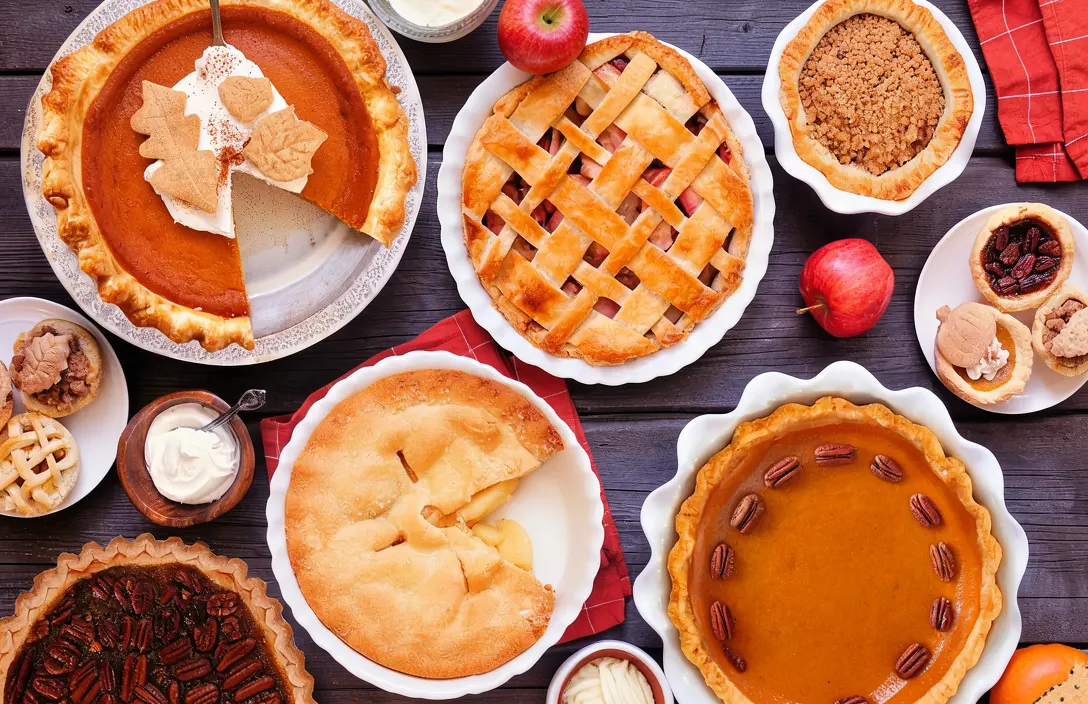
To achieve a flaky pie crust, a professional baker emphasizes the importance of keeping the butter cold. When the dough bakes, the water in the cold butter turns into steam, separating the crust into flaky layers. However, if the butter melts before baking, the desired texture will not be achieved. The baker recommends using cold butter straight from the fridge and working quickly when incorporating it into the flour. Additionally, using fingertips rather than palms to break up the butter helps maintain its cold temperature, ensuring a light, crisp texture (source ID 1). [1]
Chilling the dough is another key step in preventing crust shrinkage. Overworked dough can develop excessive gluten, causing it to contract in the oven. To avoid this, the baker advises not to stretch the dough to fit the pan but instead let it settle into the corners. Refrigerating the dough after placing it in the pan allows the gluten to relax while the butter firms up, reducing the risk of shrinkage (source ID 1). [1]
Blind baking is recommended for pies with wet fillings, such as custard or pumpkin. This technique involves partially baking the crust before adding the filling, allowing the bottom to develop structure and crisp up. The baker suggests lining the crust with parchment paper and using weights like dried beans or rice to prevent the crust from puffing up or slumping during the initial baking phase (source ID 1). [1]
To achieve a flaky pie crust, a professional baker emphasizes the importance of keeping the butter cold. According to a source from Business Insider, the water in the cold butter turns into steam in the oven, separating the dough into perfectly flaky layers. This technique is essential for achieving a light, crisp texture. The baker recommends using cold butter straight from the fridge and working quickly to incorporate it into the flour. Visible chunks of butter in the dough will turn into crispy flakes during baking, contributing to the desired texture. [1]
Advertisement
Chilling the dough is another key step in preventing crust shrinkage. The same source explains that chilling helps the gluten relax, which prevents the crust from shrinking during baking. The baker advises against stretching the dough to fit the pan, instead lifting it and letting it settle into the corners. Refrigerating the dough after placing it in the pan allows the gluten to relax while the butter firms up, ensuring a more stable crust during baking. [1]
Blind baking is recommended for pies with wet fillings, such as custard or pumpkin. The source notes that this technique involves partially baking the crust before adding the filling, allowing the bottom to develop structure and crisp up. Once the dough is in the pan, it is lined with parchment paper and filled with weights like dried beans or rice to prevent the crust from puffing up or slumping during the initial baking phase. This method ensures that the crust is well-prepared to handle the moisture of the filling later in the baking process. [1]
To achieve a flaky pie crust, a professional baker emphasizes the importance of keeping the butter cold. In the oven, the water in the butter turns into steam, separating the dough into perfectly flaky layers. Keeping the butter as cold as possible is crucial because if it melts before baking, the crust will not have the same light, crisp texture. The baker recommends using cold butter straight from the fridge and working quickly when incorporating it into the flour. Using fingertips instead of palms helps conduct less heat, ensuring the butter remains cold during the process (source ID: 1). [1]
Chilling the dough is another key step in preventing crust shrinkage. When dough is overworked, it develops excessive gluten, which can cause the crust to contract in the oven. To avoid this, the baker suggests not stretching the dough to fit the pan but instead lifting it and letting it settle into the corners. Refrigerating the dough after placing it in the pan allows the gluten to relax while the butter firms up. This step is essential for ensuring the crust maintains its shape during baking (source ID: 1). [1]
Advertisement
Blind baking is recommended for pies with wet fillings, such as custard or pumpkin. This technique involves partially baking the crust before adding the filling, which helps the bottom of the crust develop structure and crisp up before coming into contact with the filling. The process includes lining the dough with parchment paper and filling it with weights like dried beans or rice to prevent the crust from puffing up or slumping. After the edges have set, the weights are removed, and the crust is baked until the bottom begins to dry out and lightly brown (source ID: 1). [1]
Sources
Prepared with AI assistance from the cited sources.
The Cali Reporter newsletter
The stories worth your time.
California, the country, and what comes next. Join our free newsletter for reporting that keeps you informed.
More in Business
- Kirkland Signature Meals: A Family's Take on Taste and Value
A family's review of Kirkland Signature meals highlights a mix of flavors, textures, and value at Costco, with some dishes standing out while others fall short of expectations.
- Ex-OpenAI Engineer Donates Equity to AI Safety
Jacob Coxon, a former engineer at OpenAI and Anthropic, has pledged to donate his equity in OpenAI to AI safety research, citing concerns over the risks of uncontrolled AI development.
- Scottish Hacker Sentenced for Crypto Theft Scheme
A Scottish hacker has been sentenced to six years in U.S. federal prison for orchestrating a large-scale cryptocurrency theft operation, according to a report from the U.S. Attorney’s Office for the Central District of…