Pre-Warming Protocols in Veterinary Medicine
Pre-warming protocols are gaining traction in veterinary medicine as a proactive approach to preventing hypothermia during anesthesia. This shift is supported by evidence highlighting the risks of hypothermia and the…


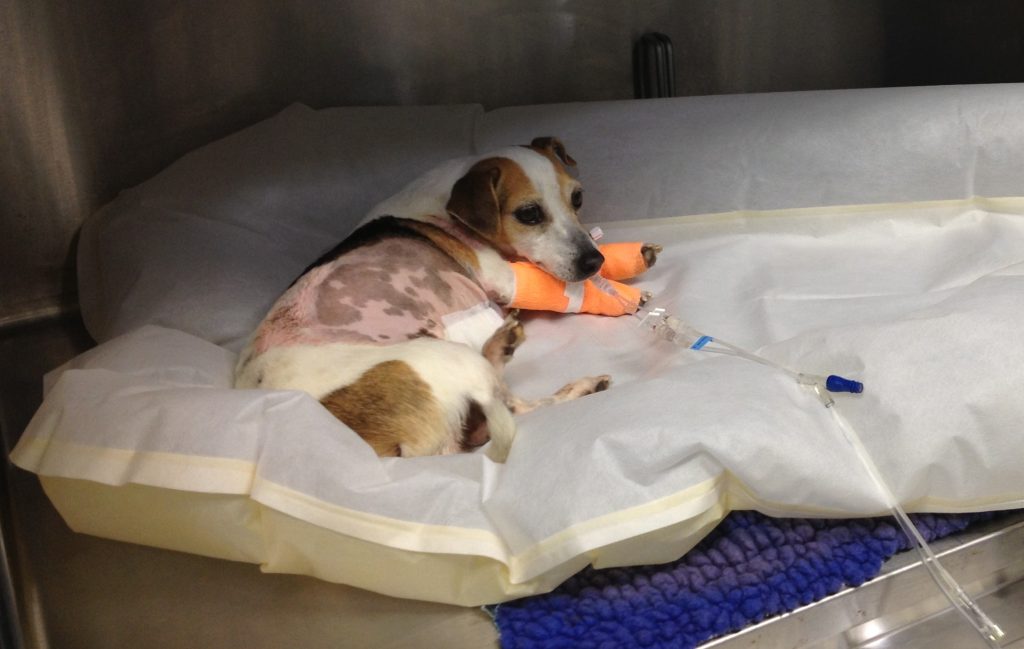
Keeping animals warm during anesthesia has long been recognized as an important step in ensuring patient safety. Yet in many practices, temperature management is still treated as a reactionary approach, beginning only after a patient's body temperature has already begun to fall. Clinics can adopt a proactive approach through leveraging pre-warming protocols, warming patients before anesthesia begins, to help prevent peri-anesthetic hypothermia rather than trying to reverse it later (1). [1]
Hypothermia during anesthesia is one of the most common complications seen in veterinary medicine. Studies suggest up to 80 percent of anesthetized dogs and cats experience some degree of hypothermia during procedures. The reason for this is sedatives and anesthetic agents suppress the body's normal ability to regulate temperature and also prevent shivering. They cause vasodilation, meaning blood moves away from the body's warm core toward the cooler extremities, and thus dissipates heat (1). [1]
Lower body temperatures can slow heart rate and respiration, reduce drug metabolism, and prolong recovery times. Hypothermic patients often take longer to regain consciousness and may experience disorientation, shivering, and discomfort during recovery. Shivering can also place stress on surgical sites and increase post-operative pain (1). [1]
Approximately one in 500 animals die during anesthesia or sedation, and around half of those deaths occur during the recovery phase, when patients are particularly vulnerable to temperature-related complications. For veterinary teams actively focused on improving outcomes, better temperature management has therefore become a priority (1). [1]
Advertisement
Why temperature matters for recovery While hypothermia may seem like a minor issue, its clinical effects can be significant. This is because lower body temperatures can slow heart rate and respiration, reduce drug metabolism, and prolong recovery times. Hypothermic patients often take longer to regain consciousness and may experience disorientation, shivering, and discomfort during recovery.3 Shivering can also place stress on surgical sites and increase post-operative pain. More concerningly, many anesthetic complications occur during recovery. Approximately one in 500 animals die during anesthesia or sedation, and around half of those deaths occur during the recovery phase, when patients are particularly vulnerable to temperature-related complications.4 For veterinary teams actively focused on improving outcomes, better temperature management has therefore become a priority. [1]
Prevention rather than reaction Traditionally, many warming strategies have focused on intraoperative warming with heated blankets or devices. While these remain important, they often begin after the patient has already experienced a significant temperature drop. Pre-warming changes that timeline. By warming patients before induction, veterinary clinics can raise the temperature of the skin and peripheral tissues (Figure 1). This helps reduce heat redistribution from the body's core once vasodilation occurs. Even a 30- to 40-minute pre-warming period can increase peripheral temperatures by several degrees, significantly reducing the steep temperature decline that typically occurs immediately after induction. [1]
Keeping animals warm during anesthesia has long been recognized as an important step in ensuring patient safety. However, in many veterinary practices, temperature management is still treated as a reactionary approach, beginning only after a patient's body temperature has already begun to fall. Clinics can adopt a proactive approach through leveraging pre-warming protocols, warming patients before anesthesia begins, to help prevent peri-anesthetic hypothermia rather than trying to reverse it later (1). This shift reflects a simple principle: it is far easier to keep an animal warm than to warm one that has already become cold. [1]
Hypothermia during anesthesia is one of the most common complications seen in veterinary medicine. Studies suggest up to 80 percent of anesthetized dogs and cats experience some degree of hypothermia during procedures. The reason for this is sedatives and anesthetic agents suppress the body's normal ability to regulate temperature and also prevent shivering. They cause vasodilation, meaning blood moves away from the body's warm core toward the cooler extremities, and thus dissipates heat. Research shows dogs and cats may lose several degrees of body temperature within the first 15 to 30 minutes following induction of anesthesia (1). [1]
Advertisement
Pre-warming changes the timeline of temperature management. By warming patients before induction, veterinary clinics can raise the temperature of the skin and peripheral tissues. This helps reduce heat redistribution from the body's core once vasodilation occurs. Even a 30- to 40-minute pre-warming period can increase peripheral temperatures by several degrees, significantly reducing the steep temperature decline that typically occurs immediately after induction (1). This approach allows patients to start anesthesia with a thermal 'buffer,' making it easier to maintain normal body temperature throughout the procedure. [1]
Sources
Prepared with AI assistance from the cited sources.
The Cali Reporter newsletter
The stories worth your time.
California, the country, and what comes next. Join our free newsletter for reporting that keeps you informed.
More in Pets & Animals
- Husky's Unplanned Church Performance
During a special church service in Portland, Oregon, a Husky's spontaneous howling during a hymn led to an unexpected musical collaboration with the priest, captured on video and shared widely online.
- Oneisall Automatic Two-Bowl Cat Feeder Review
A review of the Oneisall automatic two-bowl cat feeder highlights its functionality, design, and suitability for households with multiple cats.
- FDA Approves New Feline Parasiticide and New Nutrition Products for Cats
Recent developments in veterinary care for cats include the FDA approval of a new parasiticide and the introduction of new nutrition products designed to support feline health.