Portland Public Schools' School Closure Plan Sparks Concerns Over Staffing and Capacity
Parents and educators in Portland are raising concerns about the Portland Public Schools’ proposal to close 10 schools, citing confusion over staffing reductions and potential overcrowding at receiving schools.

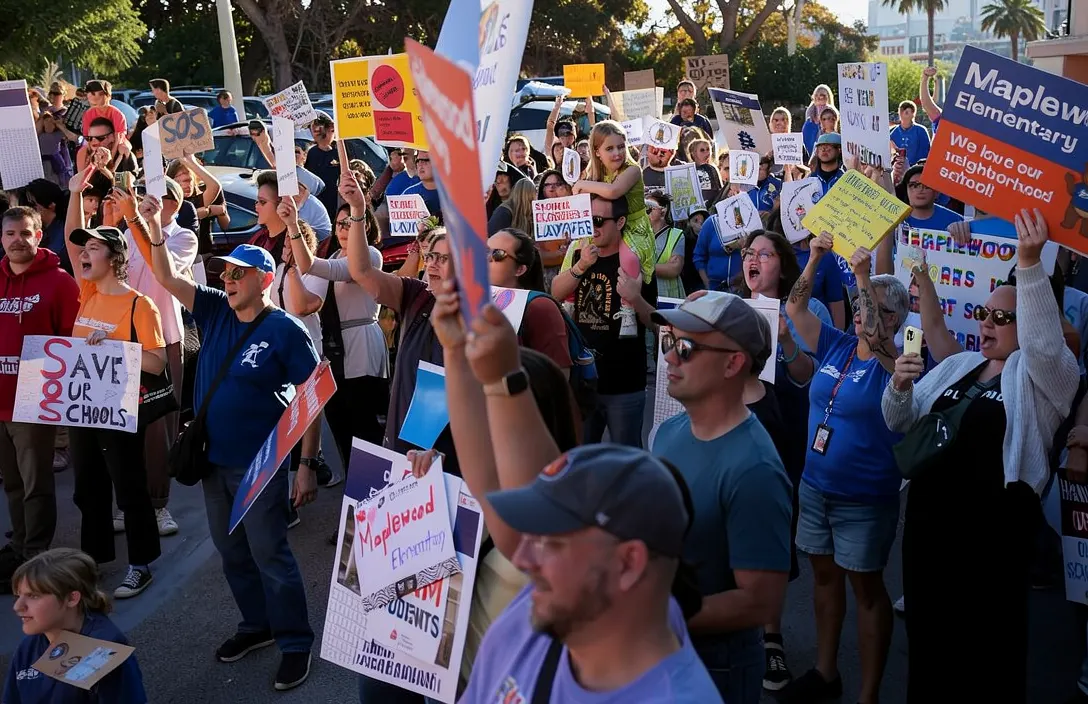

Alexis Córdova, a parent and software engineer in Portland, expressed confusion over the Portland Public Schools’ (PPS) recommendation to close 10 schools, which would result in over 300 staff positions being cut, compared to 260 if all schools remained open. Córdova highlighted a discrepancy in the district's memo, noting that closing schools would lead to fewer full-time equivalents (FTE) for staff despite claims that the plan would improve conditions. This has led to concerns among parents and educators, who are questioning the logic behind the plan as it moves toward a Dec. 15 vote (source ID: 1). [1]
Parents and educators are also concerned about the accuracy of enrollment projections used by PPS in its modeling process. Portland State University’s Population Research Center director, Ethan Sharygin, noted that while districtwide errors in projections are typically less than 2% within five years, individual school projections can vary significantly. For example, a group of seven elementary schools in Southwest Portland had a net error of 1.1% overall, but individual schools showed errors ranging from 0.4% to 10% (source ID: 1). [1]
Another major concern is the potential overcrowding at receiving schools. Parents from several North Portland schools have raised alarms about Chief Joseph Elementary, which is projected to receive students from Beach Elementary under the plan. They argue that the receiving school will be immediately overcrowded, potentially limiting access to specialized supports such as speech therapy and de-escalation services. Some schools are also projected to have very low enrollments, with PPS defining a ‘sustainable’ school as one with at least 360 students in K-5 and 500 students in middle schools (source ID: 1). [1]
PPS officials have stated they will review enrollment annually and conduct boundary reviews and a systemwide middle school review in 2029-2030. However, parents and educators are calling for more transparency and a slower, more inclusive process. Portland Association of Teachers President Alisha Chavez emphasized the need for a detailed plan that addresses staffing, transportation, and support for students with individual education programs (source ID: 1). [1]
Advertisement
Alexis Córdova, a parent and software engineer in Portland, expressed confusion over the Portland Public Schools’ (PPS) recommendation to close 10 schools, which would result in over 300 staff positions being cut, compared to 260 if all schools remained open (source ID: 1). Córdova’s concerns stem from a discrepancy in the district’s modeling process, as outlined in a memo from PPS Superintendent Kimberlee Armstrong. He noted that the district’s plan would lead to more staff cuts despite claims of improved efficiency. Córdova emphasized that the process has led to confusion, with PPS creating a situation where 2+2 equals a range of numbers, questioning the accuracy of the enrollment forecast used in its modeling process. [1]
Parents and educators are also concerned about the accuracy of enrollment projections used by PPS in its modeling process (source ID: 1). Portland State University’s projections for Córdova’s daughter’s school, Irvington, have been off for the last few years. Ethan Sharygin, the director of PSU’s Population Research Center, explained that districtwide errors are typically less than 2% within five years, but individual school projections can vary significantly. For example, net error for a group of seven elementary schools in Southwest Portland ranged from 0.4% to 10% across individual schools, raising further concerns about the reliability of PPS’s data (source ID: 1). [1]
Another major concern is the potential overcrowding at receiving schools (source ID: 1). Parents from several North Portland schools argued that a receiving school in their area will be immediately overcrowded. For instance, Beach Elementary would close and its students would move to Chief Joseph Elementary, which is already projected to be at full capacity. Parents expressed concerns that a crowded Chief Joseph won’t have the space for specialized supports Beach students need, like rooms for speech and language services, therapy, and de-escalation (source ID: 1). [1]
Alexis Córdova, a parent and software engineer in Portland, expressed confusion over the Portland Public Schools’ (PPS) recommendation to close 10 schools, which would result in over 300 staff positions being cut, compared to 260 if all schools remained open (source ID: 1). Córdova questioned the logic behind the plan, noting that closing schools would lead to even more staff reductions despite the district’s claim that it would be better for students and teachers. He found discrepancies in the data presented by PPS and raised concerns about the lack of clarity in the district’s modeling process. [1]
Advertisement
Parents and educators are also concerned about the accuracy of enrollment projections used by PPS in its modeling process (source ID: 1). Portland State University’s projections for schools like Irvington have been off in recent years, and experts have noted that while districtwide errors may be minimal, individual school errors can vary significantly. This has led to skepticism about the reliability of the data being used to justify the school closure plan. [1]
Another major concern is the potential overcrowding at receiving schools (source ID: 1). Parents from several North Portland schools argued that a receiving school in their area would be immediately overcrowded, potentially compromising specialized supports for students. Some schools are projected to be much smaller, raising concerns about the sustainability of the district’s plan and the quality of education students will receive. [1]
Alexis Córdova, a parent and software engineer in Portland, expressed confusion over the Portland Public Schools’ (PPS) recommendation to close 10 schools, which would result in over 300 staff positions being cut, compared to 260 if all schools remained open (source ID: 1). Córdova highlighted a discrepancy in the district’s planning, noting that closing schools would lead to greater staff reductions despite the claim that the plan would be more stable for students. He questioned the logic of the cuts, stating, 'There will literally be less FTE to go around for everybody even though they’re saying that it is going to be better.' [1]
Parents and educators are also concerned about the accuracy of enrollment projections used by PPS in its modeling process (source ID: 1). Córdova noted that Portland State University’s projections for his daughter’s school, Irvington, have been off for the last few years. Ethan Sharygin, the director of PSU’s Population Research Center, explained that while districtwide errors for projections are typically less than 2% within five years, individual school projections may vary significantly. For example, the net error for a group of seven elementary schools in Southwest Portland ranged from 0.4% at one school to 10% at another. [1]
Advertisement
Another major concern is the potential overcrowding at receiving schools (source ID: 1). Parents from several North Portland schools argued that a receiving school in their area would be immediately overcrowded if the plan is approved. Representatives from Beach, Sitton, and James John elementary schools wrote to district officials that Chief Joseph Elementary School would not have the space for specialized supports, such as rooms for speech and language services, therapy, and de-escalation. The district predicts that some receiving schools will be bursting at the seams, while others are projected to have very low enrollment, raising concerns about the sustainability of those schools. [1]
Sources
Prepared with AI assistance from the cited sources.
The Cali Reporter newsletter
The stories worth your time.
California, the country, and what comes next. Join our free newsletter for reporting that keeps you informed.
More in West Coast
- COP31 Collapse Highlights Climate Negotiation Challenges
The collapse of COP31, the U.N. climate talks in Turkey, has underscored the difficulties in achieving global consensus on climate action, with experts emphasizing the need for reform and individual efforts moving…
- ScienceWorks Museum to Transition to Community Science Center
ScienceWorks Hands-On Museum in Ashland, Oregon, is pausing most activities and transitioning to a community science center with new resources for all ages, according to a report by Jefferson Public Radio.
- Seniors Embrace Tesla's Automated Driving Despite Safety Concerns
A growing number of older drivers are using Tesla's Full-Self Driving (Supervised) technology to maintain their independence, despite warnings from safety experts about potential risks.