

Miami Money Beats Portland Rules: How a 6-6 Tie Vote Sent Zenith's Oil Empire to a New Owner
Mayor Keith Wilson breaks a tie to approve the transfer of Zenith Energy to I Squared Capital.

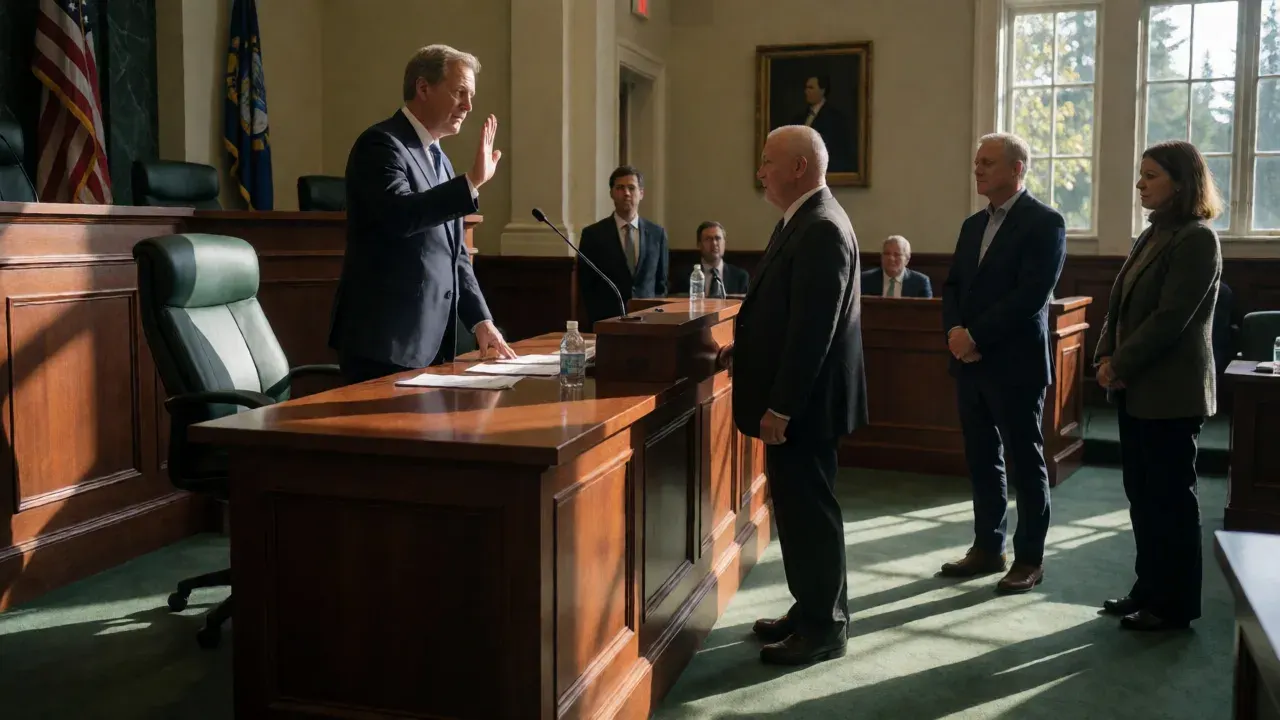
So you thought the drama over oil trains and fuel storage in the Pacific Northwest had finally settled down into the background noise of the rainy season. Think again. The City Council of Portland has managed to keep the tension high yet again with a vote that felt less like a policy decision and more like a bizarre reality show episode. It comes down to a 6-6 split, which leaves Mayor Keith Wilson with the unglamorous job of breaking the tie to approve the transfer of Zenith Energy's city franchise to I Squared Capital. This Miami-based firm now has the path cleared to take over Zenith's oil-by-rail and storage operations in Northwest Portland, provided the companies actually finalize their business arrangement. It speaks to the peculiar nature of local governance where a single vote can pivot the future of a fossil fuel infrastructure asset.
This is Wilson's second time serving as the tie-breaker this year, a role he filled once before in July concerning public safety funding. The councilors were split, with Wilson joining Olivia Clark, Steve Novick, Elana Pirtle-Guiney, Dan Ryan, Loretta Smith, and Eric Zimmerman in voting for the transfer. The opposing six councilors voted no, but the legal reality is that the franchise transfer can now proceed. It is worth noting that this approval is not the finish line. Zenith Energy and I Squared Capital still have the messy business of actually completing their deal. The backdrop for this entire saga is a lawsuit that Zenith filed against the city in federal district court back in July. They alleged that city officials had unnecessarily delayed the franchise transfer, which added a layer of legal friction to an already complicated relationship.
For those who have been watching Zenith from the sidelines, their history is a colorful mix of ambition and alleged non-compliance. The company has constructed and used new piping for fossil and renewable fuel transport on at least 34 occasions between 2021 and 2024 without bothering to notify the city or the Oregon Department of Environmental Quality. The DEQ eventually paused a permitting process and slapped Zenith with a fine of more than $370,000 for those infractions before negotiating an appeal. Then there is the issue of the throughput. Zenith's operations have more than doubled since 2018, a time when they promised state regulators and city officials that their operations would bring no new throughput. A March 2025 report from Street Roots highlighted this discrepancy. Just last month, on March 19, the Portland City Council voted 11-1 for a resolution directing Wilson to investigate potential violations of Zenith's franchise agreement.

The franchise itself is an old artifact of Portland history, tracing back to a 1991 agreement with Chevron. It was extended for 20 years in 2017 and transferred to Zenith in 2018. Now, the Miami investors are in the picture, but the broader context of energy policy in the city is also shifting. The Zenith vote lands alongside a wider city effort to rein in fossil fuel infrastructure along the Willamette River. A Bureau of Planning and Sustainability policy package aims to require the 11 companies operating at Portland's Critical Energy Infrastructure Hub to reduce fuel storage capacity by 20 percent by 2036. The city also secured a federal grant in 2025 to develop a policy making the CEI Hub safer, according to testimony from Columbia Riverkeeper. These are the progressive goals that keep the activists and residents engaged, even when the deal with a Miami firm moves forward.
There is also the looming threat of the natural world to consider. A county-commissioned study modeled potential earthquake consequences at the hub. A Multnomah County summary suggests that a Cascadia Subduction Zone earthquake could cause potential releases of anywhere from 94.6 million to 193.7 million gallons from CEI Hub tanks. These figures describe a hypothetical scenario rather than a current event, but the scale is enough to make anyone nervous about the proximity of fuel tanks to the river and the community. On the other hand, the City of Portland conducted a separate investigation and stated they found no compliance issues or violations of the codes and regulations the city administers and enforces. It seems the city is clean, but the company is messy.
The transfer can now proceed, but the actual transaction between Zenith and I Squared Capital remains pending. Portland officials have not publicly stated whether the broader proposal to reduce storage at the CEI Hub will shape I Squared's future operations there. For now, the franchise is changing hands, but the questions about the safety, the environmental impact, and the future of fuel storage in Northwest Portland remain. It is a classic case of the Pacific Northwest trying to balance its green energy ambitions with the heavy industrial legacy that built the region, all while watching a Miami firm potentially take the wheel. The story is far from over, and the public will be watching to see if the new owners can do better than the last.
First reported by Hoodline.
More in West Coast
- Portland Public Schools Faces Intense Opposition Over Proposed Facility Closures
Community members, educators, and board members expressed significant frustration during a recent meeting regarding a plan to consolidate buildings and programs to address declining enrollment.
- Portland’s Bike Buses Offer Relief from I-5 Disruptions
Weekly group bike rides, expanded during the I-5 southbound closure, are drawing commuters seeking community, safety and a more enjoyable alternative to gridlock.
- Why You Might Not Need Cable to See the Washington Huskies Smash the Minnesota Gophers This Saturday Night
Seattle hosts the Huskies in a Big Ten matchup you can stream on FOX for free this weekend.