Pope Leo XIV's Visit to Peru Highlights Environmental and Indigenous Issues
Pope Leo XIV's final day in Peru focused on environmental protection and the plight of Indigenous communities, as he visited key locations in the Andes and the Amazon.

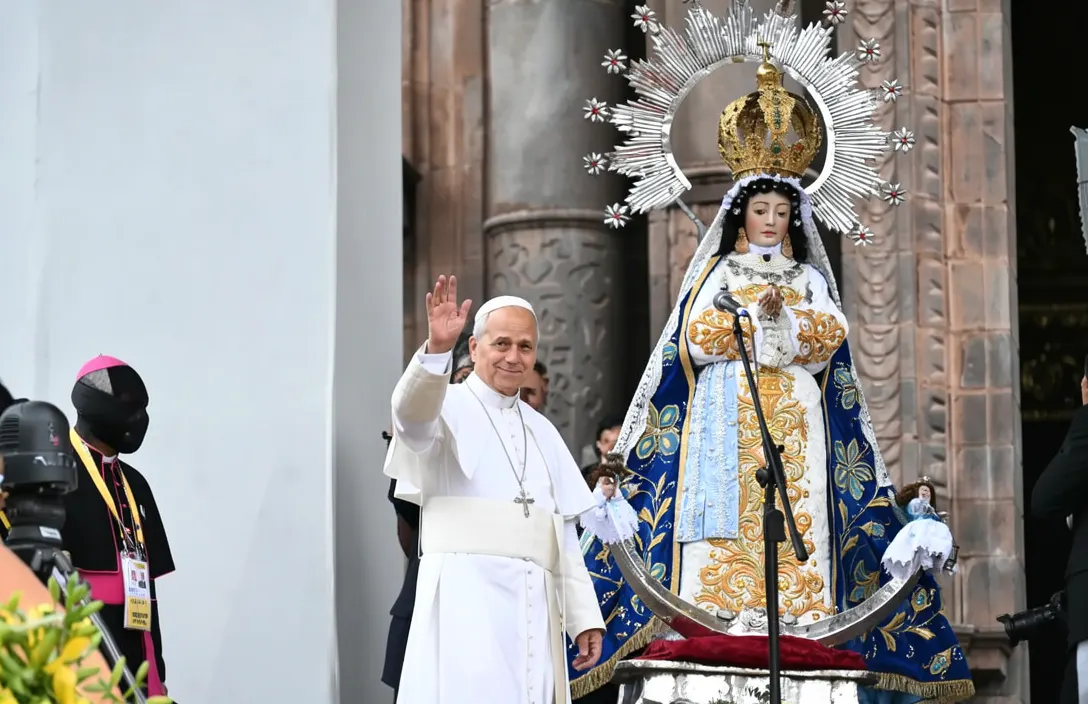

On the penultimate day of his Latin America tour, Pope Leo XIV visited the Andean highlands of Cusco, delivering a speech at the Indigenous fortress of Saqsaywaman. In his remarks, he praised the region’s traditional festivities and processions, which often blend Indigenous and Catholic spirituality. He emphasized that the future of these traditions lies not only in preserving what has been handed down but also in passing it on in a living way (source ID: 1). [1]
The visit to Cusco, a high-altitude city some 3,400 metres above sea level, tested the 71-year-old pope’s stamina as he continues to recover from lung cancer surgery. However, Leo has shown no sign of fatigue since his 12-day, three-nation South American trip began on November 6 (source ID: 1). [1]
In the afternoon, Leo flew to Pucallpa, a city near Peru’s eastern border, on the banks of the Ucayali River. Pucallpa is considered a gateway to the Peruvian Amazon, and during his stay, Leo reinforced his late predecessor Pope Francis’s teachings on protecting the environment. He also denounced the violence faced by Indigenous land defenders, who use their advocacy to confront deforestation, pollution, and the threat of Indigenous expulsion (source ID: 1). [1]
Pope Leo XIV visited Cusco, a high-altitude city located at 3,400 metres (over 11,000 feet) above sea level, which is historically significant as the former capital of the Inca Empire. During his visit, he delivered a speech at Saqsaywaman, an Indigenous fortress and a major archaeological site in the region. The city of Cusco is situated in the Andean highlands of southern Peru, and the visit marked a significant moment in his 12-day tour, which began on November 6 and included stops in Uruguay and Argentina. [1]
Advertisement
In the afternoon of the penultimate day of his tour, Pope Leo XIV traveled to Pucallpa, a city located near the eastern border of Peru on the banks of the Ucayali River. Pucallpa serves as a gateway to the Peruvian Amazon and is a critical entry point for those traveling into the region’s dense rainforests. During his stay, Leo emphasized environmental protection, echoing the teachings of his predecessor, Pope Francis, and criticized the violence faced by Indigenous land defenders in the Amazon. He highlighted the ongoing threats to Indigenous communities, including illegal mining and deforestation, which have led to severe environmental and health issues, such as heavy metal poisoning from polluted water sources. [1]
The pope’s visit to Peru included a significant historical and political dimension, as he is the first Peruvian citizen to become pope. He acquired Peruvian citizenship in 2015 after living in the country for many years and later serving as the bishop of Chiclayo, a major city in northern Peru. His trip to Cusco, despite the physical challenges posed by the high altitude, demonstrated his commitment to engaging with the region and its people, even as he continues to recover from lung cancer surgery. His itinerary reflected a broader focus on the intersection of Indigenous traditions, environmental stewardship, and social justice in Latin America. [1]
In Pucallpa, a city near Peru’s eastern border on the banks of the Ucayali River, Pope Leo XIV reinforced his late predecessor Pope Francis’s teachings on protecting the environment. He highlighted the importance of preserving natural resources and combating deforestation, which has long been a concern in the region. This visit marked a continuation of the papal emphasis on environmental stewardship, a theme that has been central to recent pontificates. [1]
During his stay in Pucallpa, Pope Leo XIV denounced the violence faced by Indigenous land defenders who confront deforestation, pollution, and the threat of Indigenous expulsion. He stated, “Many Indigenous leaders have been murdered for defending their territories,” emphasizing the urgent need for justice and protection for these communities. His remarks align with ongoing global concerns regarding the safety and rights of Indigenous peoples in regions affected by environmental exploitation. [1]
Advertisement
Indigenous communities in the Peruvian Amazon have long been threatened by illegal mining, deforestation, and other forms of exploitation. These activities have led to a water crisis in Peru, with pollution increasing the risk of heavy metal poisoning. Pope Leo XIV’s visit to Pucallpa underscored the critical need for sustainable practices and the protection of Indigenous rights in the face of environmental degradation. [1]
Sources
Prepared with AI assistance from the cited sources.
The Cali Reporter newsletter
The stories worth your time.
California, the country, and what comes next. Join our free newsletter for reporting that keeps you informed.
More in World
- Irish Man Charged with Destroying U.S. Military Aircraft at Shannon Airport
A man from Ireland has been indicted for allegedly destroying a U.S. military aircraft at Shannon Airport, according to prosecutors in New York.
- Trump's APEC Summit and Strategic Meetings
President Donald Trump is set to attend the APEC summit in Shenzhen, China, where he is expected to meet with Chinese President Xi Jinping and participate in a trilateral meeting with Russian President Vladimir Putin,…
- Early Snowfall in Northern England and Scotland
Snowfall occurred in parts of Northern England and southern Scotland, with subsequent melting due to milder temperatures, according to the BBC.