Pope Leo XIV's Visit to Argentina Honors Pope Francis' Legacy
Pope Leo XIV's recent visit to Argentina has been marked by a strong emphasis on continuing the legacy of Pope Francis, who was a prominent figure in the country but avoided returning home during his papacy.

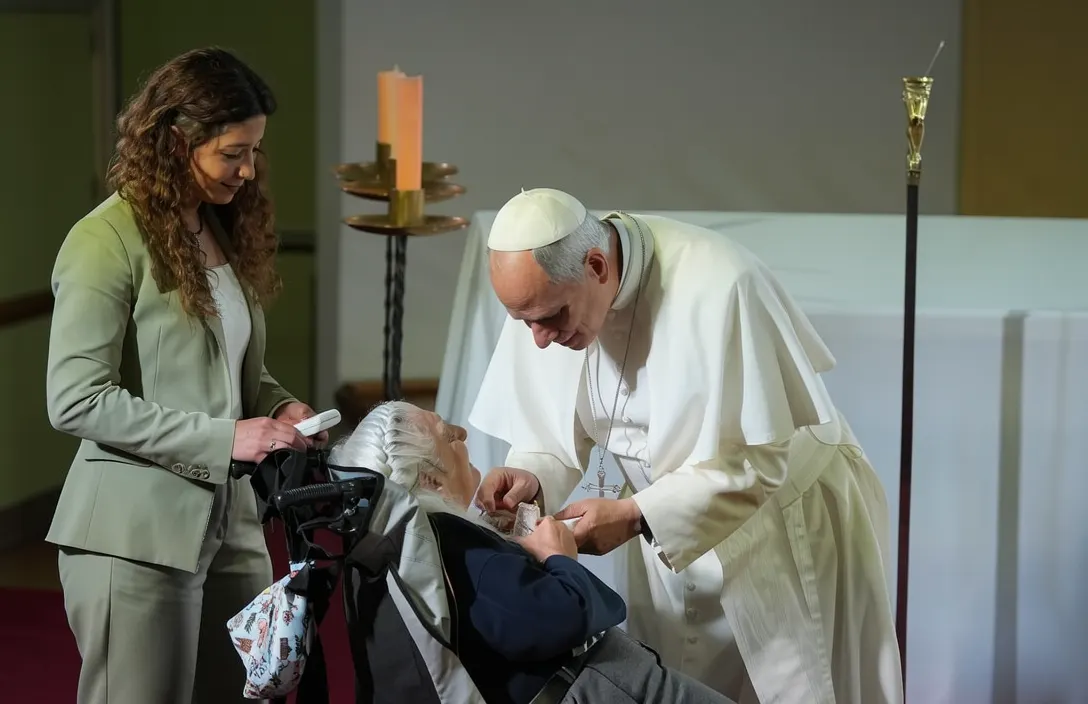
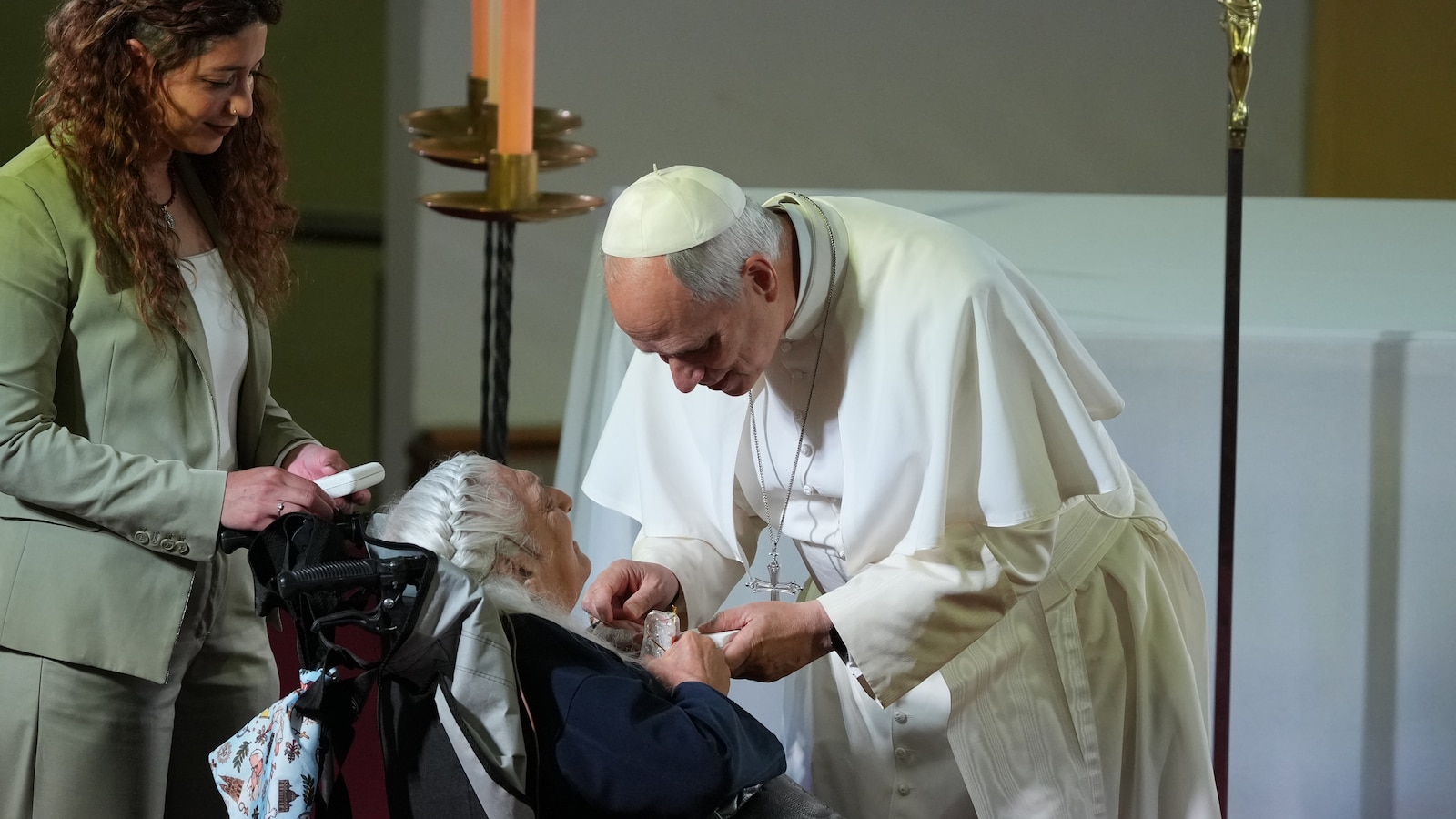
Vast crowds of young Argentines gathered in Buenos Aires to welcome Pope Leo XIV, echoing the enthusiasm that once greeted Pope Francis. Pope Leo's message of inclusivity, encapsulated in his repeated use of 'todos, todos, todos,' was a direct nod to Francis, whose legacy continues to influence the church in Argentina. Pablo Forni, a sociologist at Argentina's national research council, Conicet, noted that Francis left a significant legacy, which Pope Leo is now reaping. Billboards and signs bearing Francis' image were common sights, reflecting the deep connection between the two popes in the eyes of the Argentine people (Evidence ID: 1). [1]
During his visit, Pope Leo XIV took part in several events that Francis had previously been associated with, such as praying in the old cathedral and visiting the prison where Francis once washed inmates' feet. These actions were seen as a continuation of Francis' outreach to the marginalized. Cardinal Pedro Barreto, a close ally of Francis, stated that Leo is clearing the path laid out by Francis so that it can be traveled by every baptized member of the church (Evidence ID: 1). [1]
Pope Leo XIV's visit has also been marked by his efforts to revive the appeals that made Francis both beloved and divisive in Argentina. In Córdoba, Leo urged Argentines to 'make a mess,' echoing Francis' call for young Catholics to shake things up in their dioceses. Additionally, Leo invoked Francis' 'three Ts' — tierra, techo y trabajo — during an audience with garbage pickers and business leaders, highlighting the importance of land, housing, and work (Evidence ID: 1). [1]
Vast crowds of young Argentines gathered in Buenos Aires to welcome Pope Leo XIV, echoing the enthusiasm that once greeted Pope Francis. During his visit, Pope Leo XIV took part in several events that Francis had previously been associated with, such as praying in the old cathedral and visiting the prison where Francis once washed inmates' feet. These events marked the beginning of a revival of the appeals that made Francis both beloved and divisive in Argentina (Source ID: 1). [1]
Advertisement
Pope Leo XIV's visit has also been marked by his efforts to revive the appeals that made Francis both beloved and divisive in Argentina. His words, such as the promise to have a church open to 'todos, todos, todos' — everyone, everyone, everyone — were borrowed from Francis and resonated deeply with the Argentine public. This strategy helped Argentines embrace their once-polarizing pope as a unifying national figure (Source ID: 1). [1]
Even libertarian President Javier Milei, who once insulted Francis as 'the representative of evil on earth,' declared Francis 'the most important Argentine in history' at Leo's welcome ceremony. This gesture brought a packed hall of his political allies and foes to its feet, signaling a shift in public perception and political alignment (Source ID: 1). [1]
Vast crowds of young Argentines gathered in Buenos Aires to welcome Pope Leo XIV, echoing the enthusiasm that once greeted Pope Francis. During his visit, Pope Leo XIV took part in several events that Francis had previously been associated with, such as praying in the old cathedral and visiting the prison where Francis once washed inmates' feet. These actions have been seen as a continuation of Francis's legacy in Argentina, which was marked by his efforts to engage with the poor and marginalized (source ID: 1). [1]
Pope Leo XIV's visit has also been marked by his efforts to revive the appeals that made Francis both beloved and divisive in Argentina. Even libertarian President Javier Milei, who once insulted Francis as 'the representative of evil on earth,' declared Francis 'the most important Argentine in history' at Leo's welcome ceremony. This endorsement highlights the shift in public perception of Francis, who was once seen as a partisan figure but is now being embraced as a unifying national figure (source ID: 1). [1]
Advertisement
As archbishop of Buenos Aires, Francis — then Jorge Mario Bergoglio — mobilized the church during Argentina’s 2001 economic crisis, sending priests into the slums and opening soup kitchens, schools and drug rehab centers as state services receded. However, his concern for the poor did not make him a natural ally of Peronism, the long-dominant populist movement emphasizing social justice. He accused its leaders of arrogance and clashed with them over same-sex marriage (source ID: 1). [1]
Vast crowds of young Argentines gathered in Buenos Aires to welcome Pope Leo XIV, echoing the enthusiasm that once greeted Pope Francis. During his visit, Pope Leo XIV took part in several events that Francis had previously been associated with, such as praying in the old cathedral and visiting the prison where Francis once washed inmates' feet. These actions reflect an effort to revive the appeals that made Francis both beloved and divisive in Argentina (1). [1]
Pope Leo XIV's visit has also been marked by his efforts to revive the appeals that made Francis both beloved and divisive in Argentina. Even libertarian President Javier Milei, who once insulted Francis as 'the representative of evil on earth,' declared Francis 'the most important Argentine in history' at Leo's welcome ceremony. This endorsement highlights the shifting political and social perception of Francis in Argentina (1). [1]
As archbishop of Buenos Aires, Francis — then Jorge Mario Bergoglio — mobilized the church during Argentina’s 2001 economic crisis, sending priests into the slums and opening soup kitchens, schools and drug rehab centers as state services receded. This period of active church involvement in social welfare is a key part of Francis's legacy that Pope Leo XIV now seeks to continue (1). [1]
Advertisement
The Cali Reporter newsletter
The stories worth your time.
California, the country, and what comes next. Join our free newsletter for reporting that keeps you informed.
More in U.S. News
- Nvidia CEO Returns to Denny's After Plaque Removal
Nvidia's CEO, Jensen Huang, has returned to the Denny's in San Jose, California, where the company was founded, following the temporary removal of a commemorative plaque.
- Taylor Frankie Paul Hints at Applying for Sam Hartman's 'Bachelor' Season
Taylor Frankie Paul, whose 'Bachelorette' season was canceled, is jokingly suggesting she may apply for Sam Hartman's upcoming 'Bachelor' season.
- Kentucky Couple's Dream Home Turns Into Snake-Infested Nightmare
A Kentucky couple's new home has become a snake-infested nightmare, with evidence suggesting the infestation may have been present for decades.