Pardoner's Evolution in a Fragmented Landscape
As Pardoner navigates the challenges of distance and changing musical landscapes, their new album reflects a deliberate shift in style and structure.
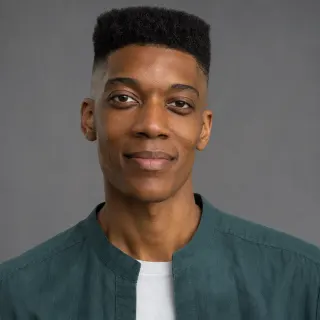
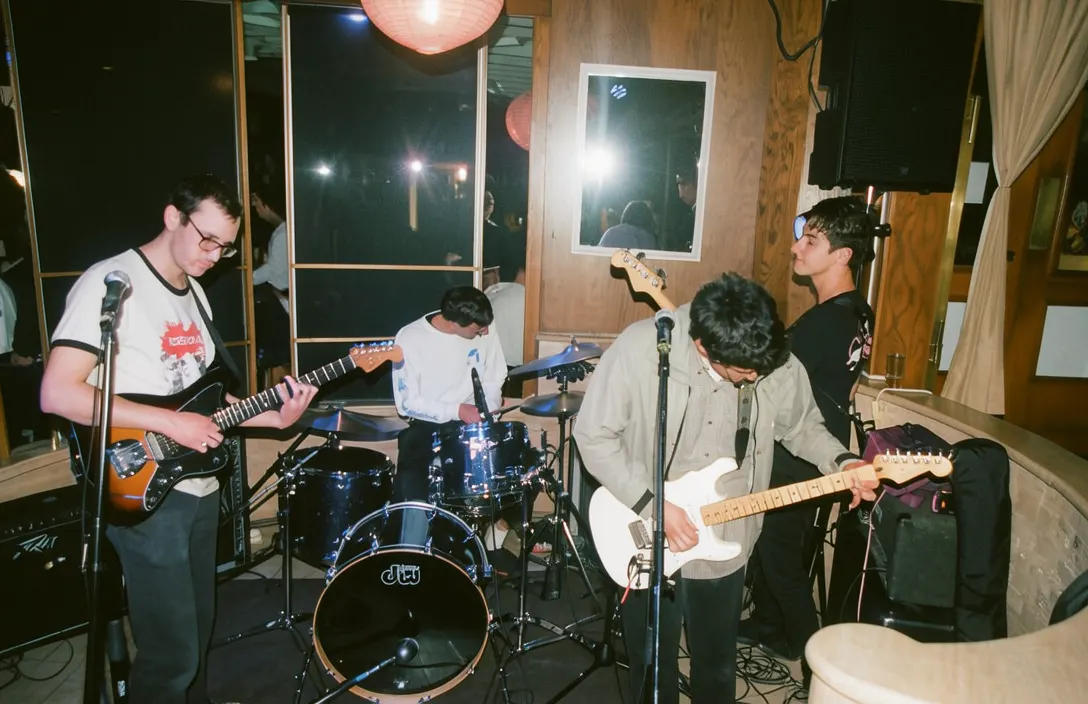
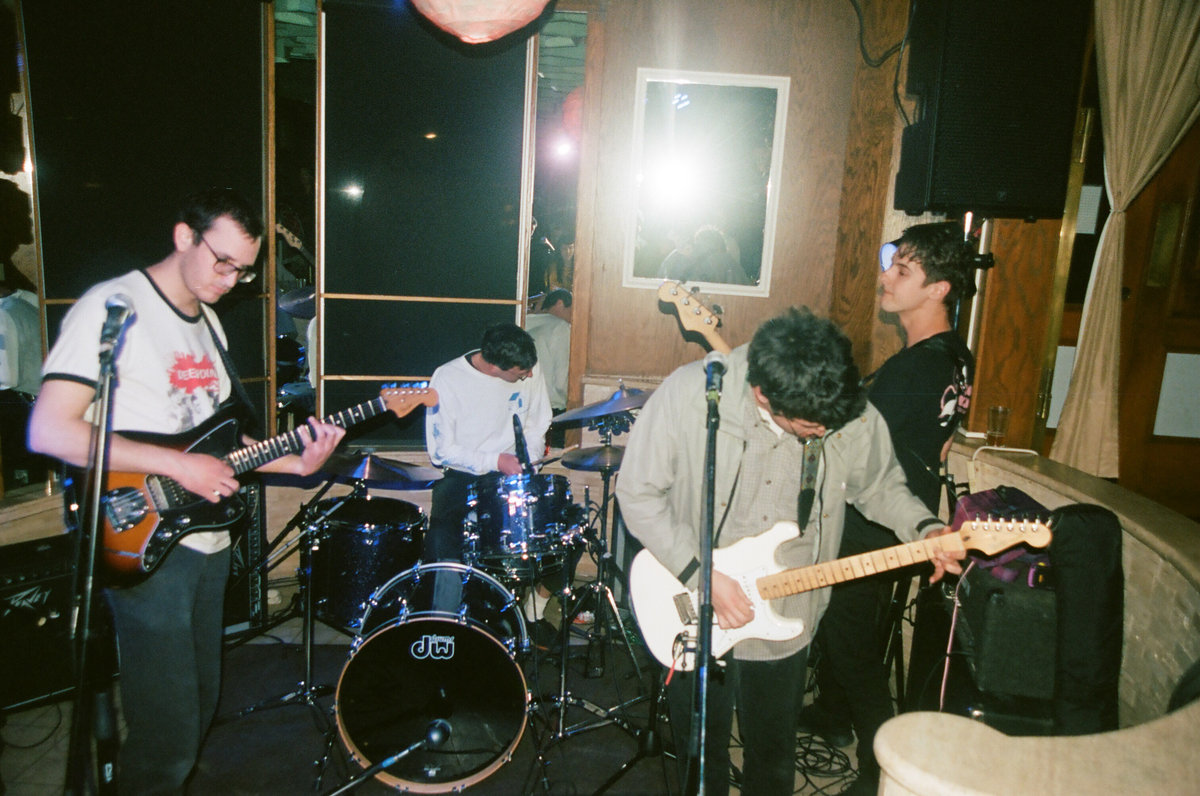
Pardoner's frontman, Max Freeland, reflects on the band's journey through a series of virtual collaborations and geographic dispersion, noting that the group has not been in the same place together in about three years. Members have relocated to cities such as Philadelphia, New York, and Los Angeles, with Freeland himself moving to Philly for his wife's graduate studies. This shift has significantly influenced the band's creative process, as communication is now conducted largely through voice memos and intermittent practices (Source ID 1). [1]
The band's latest album, Target Practice, marks a departure from their earlier, more chaotic sound. It is described as more pared-down and efficient compared to their previous work, with a structure reminiscent of classic rock. Freeland explains that the band's inability to jam has led to a more carefully written and rigid composition style, which is evident in the album's concise format of 11 songs in just 23 minutes (Source ID 1). [1]
Freeland acknowledges the band's past influences, including black metal and hardcore, but emphasizes a deliberate effort to move away from these elements in Target Practice. The album avoids the whiplash tempo shifts that characterized earlier works, opting instead for a more consistent tempo. The use of Auto-Tune on the title track is highlighted as a notable musical gambit, reflecting the band's evolving sound and approach (Source ID 1). [1]
Pardoner's frontman, Max Freeland, reflects on the band's journey through a series of virtual collaborations and geographic dispersion, noting that the group has not been in the same place together in about three years (source ID 1). Freeland mentions that he used to be in a hardcore band called Moms, and that Pardoner's early presence at venues like the Honey Hive Gallery marked the beginning of their recognition in the San Francisco indie-rock scene. The band's members have since relocated to different cities, with Freeland in Philly, bassist Colin Burris and guitarist Trey Flanigan in New York, and drummer River van den Berghe in LA. [1]
Advertisement
As a result of a mostly virtual mode of communication, conducted largely through voice memos and intermittent practices, the band’s music has become far more pared-down and efficient since their previous album Peace Loving People in 2023 (source ID 1). Their new album Target Practice is practically Beatles-like, spanning 11 songs in just 23 minutes. Freeland explains that the lack of jam sessions has led to a more structured approach to songwriting, with each track carefully composed rather than loosely interpreted. [1]
Freeland acknowledges the band's past influences, including black metal and hardcore, but emphasizes a deliberate effort to move away from these elements in Target Practice (source ID 1). The album’s sound is more streamlined, with no whiplash tempo shifts and a focus on discipline. The Auto-Tune on the title track represents a new musical gambit, and the overall sound leans toward classic-rock influences rather than the chaotic energy of earlier works. [1]
Pardoner's frontman, Max Freeland, reflects on the band's journey through a series of virtual collaborations and geographic dispersion, noting that the group has not been in the same place together in about three years (source ID 1). This dispersion has led to a change in the band's creative process, with communication primarily conducted through voice memos and intermittent practices. Freeland emphasizes that this new mode of collaboration has resulted in a more efficient and pared-down musical style compared to their previous album, Peace Loving People in 2023 (source ID 1). [1]
The band's new album, Target Practice, marks a deliberate departure from their earlier influences, including black metal and hardcore (source ID 1). Freeland acknowledges that the band's previous sound was characterized by a dense and prickly atmosphere reminiscent of black metal, but for this album, they aimed to eliminate these elements entirely. This shift is evident in the more structured and less chaotic approach to songwriting, as well as the absence of whiplash tempo shifts that were present in their earlier work (source ID 1). [1]
Advertisement
Despite the changes in musical style, Pardoner remains connected to their roots in San Francisco's indie-rock scene. Freeland notes that the band still listens to hardcore and punk music, but he personally wanted to make a record that might appeal to his parents, indicating a move towards a more classic-rock sound (source ID 1). The album's cover art, handled by guitarist Trey Flanigan, continues to reflect the band's attention to detail and visual creativity, which has contributed to their success as a group (source ID 1). [1]
Pardoner's frontman, Max Freeland, reflects on the band's journey through a series of virtual collaborations and geographic dispersion, noting that the group has not been in the same place together in about three years (source ID 1). The members have since relocated to different cities: Freeland to Philly, bassist Colin Burris and guitarist Trey Flanigan to New York, and drummer River van den Berghe to LA. This dispersion has significantly influenced the band's creative process, as they have relied on virtual communication methods such as voice memos and intermittent practices. [1]
As a result of a mostly virtual mode of communication, conducted largely through voice memos and intermittent practices, the band’s music has become far more pared-down and efficient since their previous album Peace Loving People in 2023 (source ID 1). Freeland explains that the lack of in-person jam sessions has led to a more structured and disciplined approach to songwriting. This is evident in Target Practice, which is notably more concise and tightly written compared to their earlier work. [1]
Freeland acknowledges the band's past influences, including black metal and hardcore, but emphasizes a deliberate effort to move away from these elements in Target Practice (source ID 1). The album is described as more accessible and less chaotic, with a sound that is likened to classic rock bands such as R.E.M. and the Replacements. This shift in style is a conscious decision, reflecting the band's evolution and their desire to explore a broader musical spectrum. [1]
Advertisement
The Cali Reporter newsletter
The stories worth your time.
California, the country, and what comes next. Join our free newsletter for reporting that keeps you informed.
More in San Francisco
- United Airlines Offers Flight Change Waivers Ahead of Storm at SFO
United Airlines has announced a waiver of flight-change fees for passengers affected by an incoming storm and potential flooding at San Francisco International Airport.
- Brandon Aiyuk Released by 49ers, Likely to Become Free Agent
The San Francisco 49ers have released wide receiver Brandon Aiyuk, who is expected to become a free agent after filing for reinstatement and passing a physical.
- Nvidia CEO Reinstated Amid National Security Concerns
Nvidia's board reinstated Jensen Huang as CEO following intervention from President Donald Trump, amid ongoing investigations into potential export control violations and national security risks.