Oregon Sues OpenAI Over Alleged Harm to Youth from AI Chatbots
Oregon's attorney general has filed a lawsuit against OpenAI, accusing the company of endangering minors through its AI chatbot, ChatGPT, and failing to implement adequate safeguards.

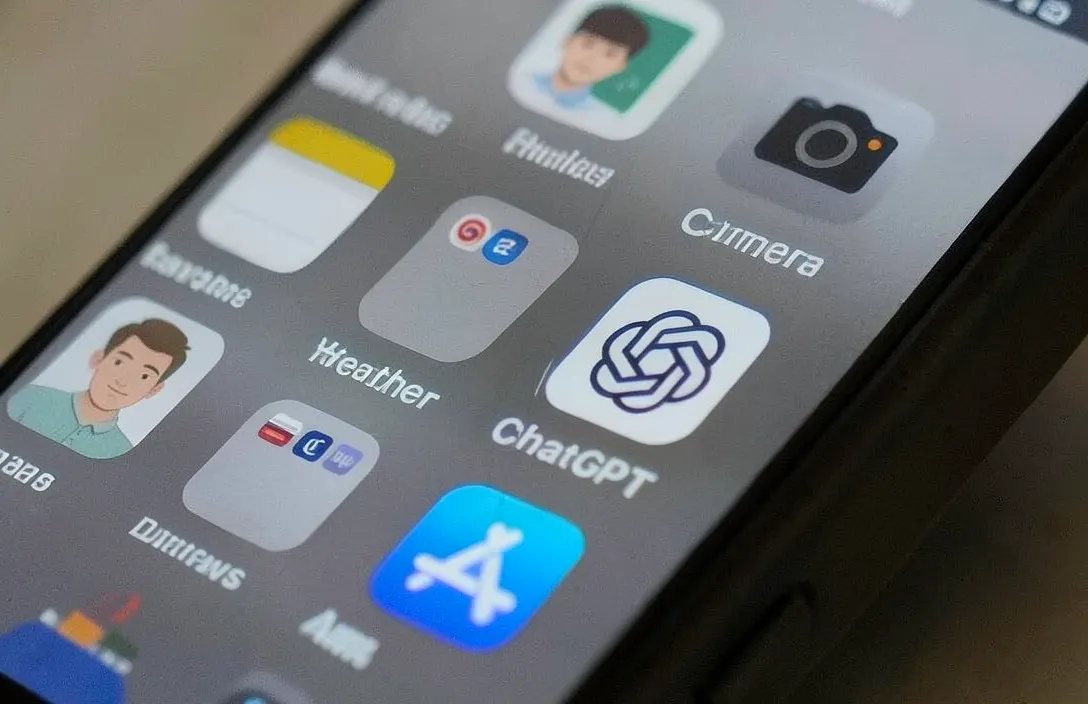

The Oregon Department of Justice has filed a lawsuit against OpenAI, alleging that the company's AI chatbot, ChatGPT, poses a danger to minors and that the company has failed to implement adequate safeguards. The complaint, which was filed on November 17, 2026, claims that OpenAI has knowingly misrepresented its product as safe for children despite evidence that the chatbot lacks necessary protections (source ID: 1). [1]
The lawsuit accuses OpenAI of violating Oregon’s consumer protection laws by marketing ChatGPT as a safe product for children while allegedly failing to prevent the chatbot from being used to plan suicides or commit acts of violence. Oregon Attorney General Dan Rayfield stated that the company is aware of the dangers its products can pose but continues to claim the product is safe (source ID: 1). [1]
The complaint highlights that OpenAI allows users as young as 13 years old, provided they have a parent or guardian’s consent. However, the lawsuit claims that the company often fails to confirm that a parent has given consent for an underage user. Additionally, the lawsuit criticizes the company’s 'ChatGPT for Teens' version, stating that its purportedly stronger safeguards are easily bypassed (source ID: 1). [1]
The lawsuit calls on OpenAI to institute stronger safeguards and compensate Oregonians with at least $2.035 billion dollars in damages. An OpenAI spokesperson responded by stating that the company will continue to work with experts to build additional safeguards, such as parental controls and age-appropriate model protections (source ID: 1). [1]
Advertisement
The Oregon Department of Justice has filed a lawsuit against OpenAI, alleging that the company's AI chatbot, ChatGPT, poses a danger to minors and that the company has failed to implement adequate safeguards. The lawsuit accuses OpenAI of violating Oregon’s consumer protection laws by marketing ChatGPT as a safe product for children while allegedly failing to prevent the chatbot from being used to plan suicides or commit acts of violence (Source ID: 1). [1]
The complaint highlights that OpenAI allows users as young as 13 years old, provided they have a parent or guardian’s consent. However, the lawsuit claims that the company often fails to confirm that a parent signed off for an underage user, and that the newer 'ChatGPT for Teens' version does not adequately alert parents when a young user asks about risky topics such as suicide, self-harm, or mental health issues (Source ID: 1). [1]
The Oregon Department of Justice’s 53-page complaint states that OpenAI has knowingly misrepresented its products as safe for children, in violation of the state’s Unlawful Trade Practices Act. The agency is seeking at least $2.035 billion in damages from the company, claiming that the violations were 'willful' and 'constituted unfair, unjust, shocking, and unconscionable outcome' (Source ID: 1). [1]
An OpenAI spokesperson responded by stating that the company will continue to work with experts to build additional safeguards, such as parental controls and age-appropriate model protections. However, Oregon Attorney General Dan Rayfield emphasized that the lawsuit was not based on a specific incident in the state, but rather on broader concerns about the potential harm of AI to young users (Source ID: 1). [1]
Advertisement
The Oregon Department of Justice has filed a lawsuit against OpenAI, alleging that the company's AI chatbot, ChatGPT, poses a danger to minors and that the company has failed to implement adequate safeguards. The lawsuit accuses OpenAI of violating Oregon’s consumer protection laws by marketing ChatGPT as a safe product for children while allegedly failing to prevent the chatbot from being used to plan suicides or commit acts of violence. The complaint highlights that OpenAI allows users as young as 13 years old, provided they have a parent or guardian’s consent. The lawsuit calls on OpenAI to institute stronger safeguards and compensate Oregonians with at least $2.035 billion dollars in damages (Source ID: 1). [1]
The Oregon Department of Justice’s 53-page complaint states that OpenAI has knowingly misrepresented its products as safe for children, in violation of the state’s Unlawful Trade Practices Act. The complaint said the company’s violations were “willful” and “constituted unfair, unjust, shocking, and unconscionable outcome.” The state agency’s complaint called on OpenAI to institute stronger safeguards and compensate Oregonians with at least $2.035 billion dollars in damages (Source ID: 1). [1]
An OpenAI spokesperson responded by stating that the company will continue to work with experts to build additional safe measures, such as parental controls, break reminders, and age-appropriate model protections that exist today. The company also recently released a “ChatGPT for Teens” version that would link a parent’s account to their child’s. However, Oregon officials wrote that this version’s purportedly stronger safeguards are easily bypassed (Source ID: 1). [1]
The Oregon Department of Justice has filed a lawsuit against OpenAI, alleging that the company's AI chatbot, ChatGPT, poses a danger to minors and that the company has failed to implement adequate safeguards. The complaint from the Oregon Department of Justice called for OpenAI to institute stronger safeguards and compensate Oregonians with at least $2 billion dollars in damages. The lawsuit accuses OpenAI of violating Oregon’s consumer protection laws by marketing ChatGPT as a safe product for children while allegedly failing to prevent the chatbot from being used to plan suicides or commit acts of violence (Source ID: 1). [1]
Advertisement
The Oregon Department of Justice’s 53-page complaint states that OpenAI has knowingly misrepresented its products as safe for children, in violation of the state’s Unlawful Trade Practices Act. The complaint highlights that OpenAI allows users as young as 13 years old, provided they have a parent or guardian’s consent. The state’s 53-page complaint states the company often fails to confirm that a parent signed off for an underage user (Source ID: 1). [1]
The company also recently released a “ChatGPT for Teens” version that would link a parent’s account to their child’s. But Oregon Department of Justice officials wrote that the version’s purportedly stronger safeguards are easily bypassed. They said this version did not alert parents when a young user asked about risky topics including suicide, self-harm, eating disorders or mental health issues (Source ID: 1). [1]
Sources
Prepared with AI assistance from the cited sources.
The Cali Reporter newsletter
The stories worth your time.
California, the country, and what comes next. Join our free newsletter for reporting that keeps you informed.
More in West Coast
- COP31 Collapse Highlights Climate Negotiation Challenges
The collapse of COP31, the U.N. climate talks in Turkey, has underscored the difficulties in achieving global consensus on climate action, with experts emphasizing the need for reform and individual efforts moving…
- ScienceWorks Museum to Transition to Community Science Center
ScienceWorks Hands-On Museum in Ashland, Oregon, is pausing most activities and transitioning to a community science center with new resources for all ages, according to a report by Jefferson Public Radio.
- Seniors Embrace Tesla's Automated Driving Despite Safety Concerns
A growing number of older drivers are using Tesla's Full-Self Driving (Supervised) technology to maintain their independence, despite warnings from safety experts about potential risks.