

Oregon students still eight percentage points behind pre-pandemic levels despite small gains in reading and math
Oregon’s test results show a stubborn achievement gap even as state officials celebrate modest progress

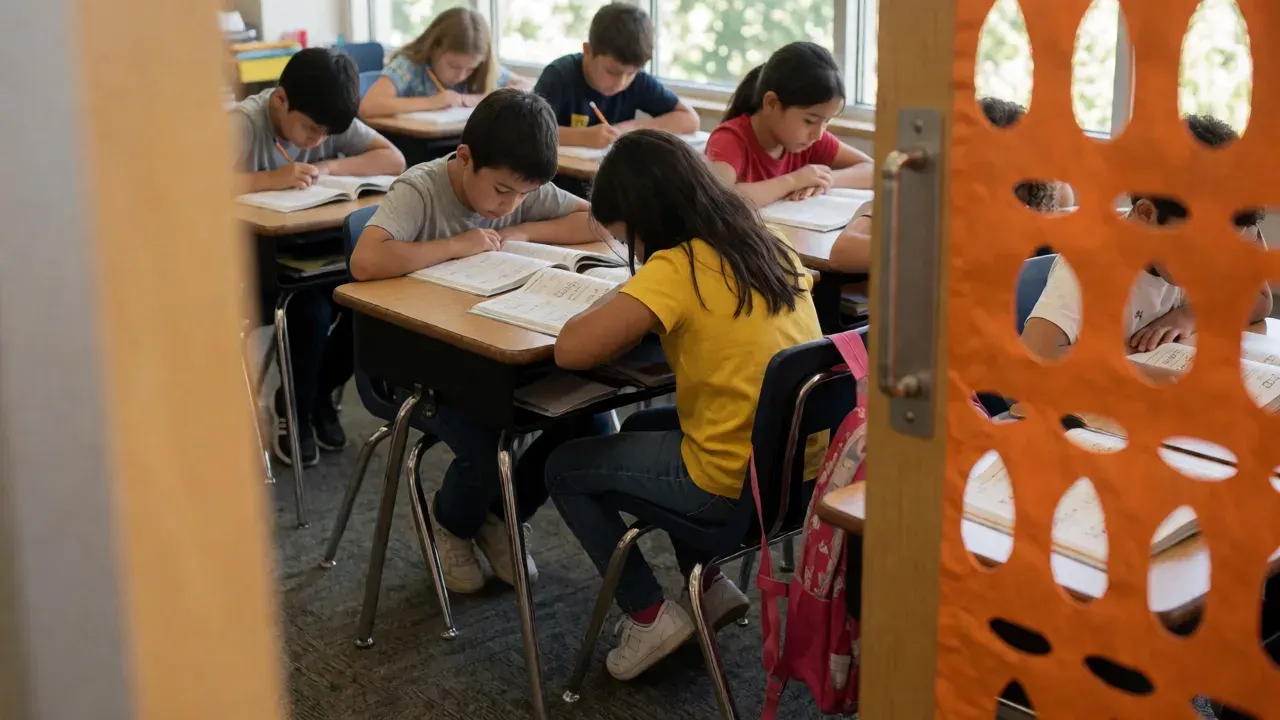
It is the sort of news story that requires a cup of something very strong in the morning. In the land of craft beer and artisanal everything, we often forget that the fundamental job of a school system is to teach kids to read and do math. According to the latest statewide assessment tests, Oregon students are still lagging behind the baseline established back in the before-times. They are roughly eight percentage points behind their pre-pandemic selves. That is the headline. The story, however, is a bit messier.
If you enjoy statistics that tell a story of struggle, look no further than the Smarter Balanced tests. Only about half of Oregon students are proficient readers. That number hovers around 50 percent. In math, the proficiency rate drops to about one-third of students. Science is even lower, with less than one-third of students deemed proficient. These are the numbers that keep the policy wonks in Salem up at night. The overall proficiency grew by less than one percentage point over the last year. It is a crawl. It is a very, very slow crawl.
The narrative of recovery is complicated by geography and demographics. The state’s ten largest districts, which account for roughly 40 percent of the 540,000 students in the system, are still facing double-digit percentage point gaps compared to where they were before the pandemic changed everything. We want to believe that the pandemic was a unique blip, but the reality is the decline persisted in some areas before the pandemic and has worsened in others since. Yet, there is a whisper of hope if you know where to look. The Early Literacy Success Initiative has been pumping hundreds of millions of dollars into the system. Angelica Cruz at the Oregon Department of Education notes that third graders have benefited from two years of literacy support. The results are "encouraging early signs." Oregon students' grasp of key subjects slowly grows but still below pre-pandemic levels

Let's talk about the big players. Portland Public Schools is the star pupil here. Their students have inched close to pre-pandemic levels in English language arts, math, and science. It is almost like they are back to normal. Salem-Keizer is trying to outpace the average. Their superintendent, Andrea Castañeda, actually used the phrase "bent the curve" last year. This year, they are expanding on that pattern with districtwide gains. Third-grade reading is the highlight here, showing state-leading gains. It is hard not to feel a little cynical when you hear about "bending the curve" after spending so much money and time, but the data suggests the money might actually be working. Oregon students' grasp of key subjects slowly grows but still below pre-pandemic levels
There is one more detail that usually gets lost in the praise or the blame. Participation rates have dropped. Before the pandemic, participation was around 95 percent. This year, it is about 88 percent. We cannot interpret the data from high schoolers properly because fewer than 80 percent of them are taking the tests. This creates a gap in the narrative. Are the scores low because students aren't learning, or because they aren't showing up to prove they aren't learning? Oregon students' grasp of key subjects slowly grows but still below pre-pandemic levels
The folks at the Oregon Department of Education are trying to manage expectations. Charlene Williams said the focus is on "steady, sustained gains." She warns that one year of results might not feel transformational. That is a very polite way of saying "give it time." Meanwhile, the Portland-based nonprofit NWEA, which runs the tests, reports that students nationwide are making "sizable improvements" in reading. So, while Oregon is trying to catch up, the rest of the country is moving forward. It is a classic Pacific Northwest problem. We are trying to fix the roof while the sun is shining, and the rest of the country is already building a new house.
First reported by Forest Grove News-times.
More in West Coast
- Portland Public Schools Faces Intense Opposition Over Proposed Facility Closures
Community members, educators, and board members expressed significant frustration during a recent meeting regarding a plan to consolidate buildings and programs to address declining enrollment.
- Portland’s Bike Buses Offer Relief from I-5 Disruptions
Weekly group bike rides, expanded during the I-5 southbound closure, are drawing commuters seeking community, safety and a more enjoyable alternative to gridlock.
- Why You Might Not Need Cable to See the Washington Huskies Smash the Minnesota Gophers This Saturday Night
Seattle hosts the Huskies in a Big Ten matchup you can stream on FOX for free this weekend.