Oregon's Shift Toward Renewable Energy
Oregon has seen a significant shift in its energy mix, with a marked decrease in coal reliance and an increase in renewable energy sources such as wind and solar.

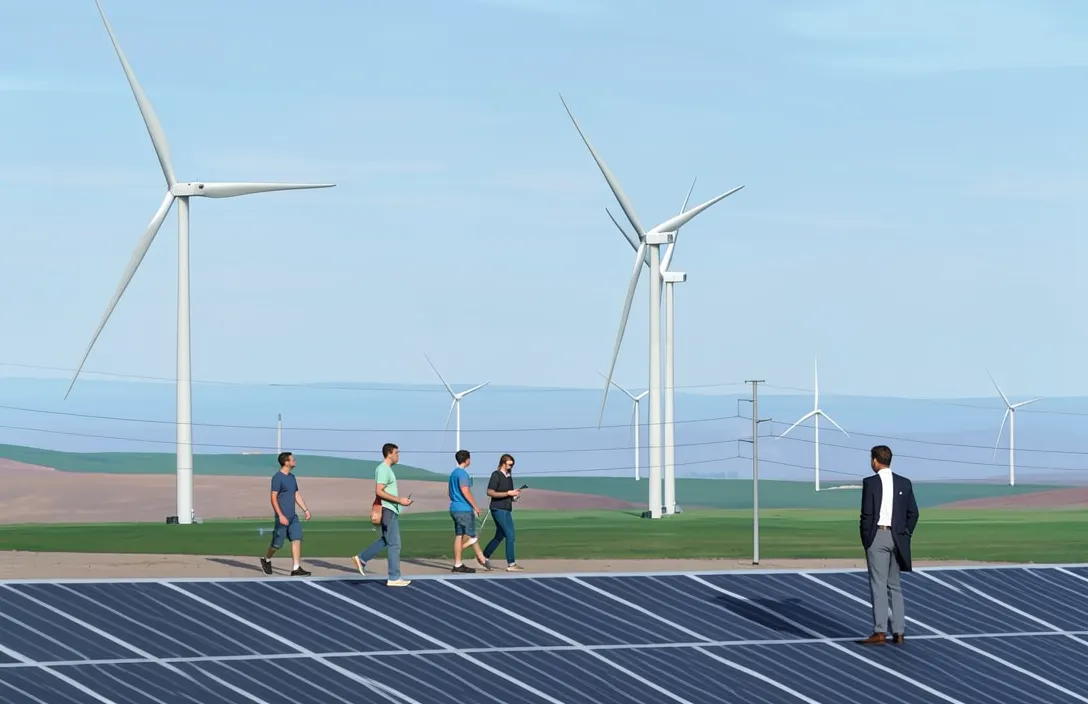

According to a recent report from the Oregon Department of Energy, the state has significantly reduced its reliance on coal over the past decade. In 2016, 28% of Oregon’s energy mix came from coal. The most recent available data from 2024 shows that has fallen by more than two-thirds, to just about 8% (Source ID: 1). This decline is part of a broader trend toward renewable energy sources, including wind and solar, which have become increasingly prominent in Oregon’s power mix. [1]
Hydropower remains Oregon’s largest source of energy, providing nearly 34% of the state’s power. Out-of-state electricity imports from unspecified sources, often natural gas or coal, make up another 21% of the overall share of power used in the state, and power known to be coming from natural gas makes up 21% of the mix (Source ID: 1). Wind powers 8% of the state’s electricity and solar provides 5%. Nuclear, biomass and geothermal energy contribute to smaller shares of the mix. [1]
The Oregon Department of Energy collects electricity resource data from state utility providers to track power sources and better understand the environmental effects of the electricity used. The methodology for collecting and presenting electricity market purchases in Oregon’s Electricity Resource Mix changed starting with the 2022 data (Source ID: 2). This update ensures consistent use of energy data across state agencies and improves efficiency in data collection. [2]
According to the Oregon Department of Energy's Biennial Energy Report, the state has significantly reduced its reliance on coal over the past decade, with coal's share of the energy mix dropping from 28% in 2016 to about 8% in 2024 (source ID 1). This decline is part of a broader shift toward renewable energy sources, which now make up a larger portion of Oregon's power mix. The report highlights that wind and solar energy have become increasingly important, with solar energy use increasing eighteenfold between 2014 and 2024 (source ID 1). [1]
Advertisement
Hydropower remains Oregon’s largest source of energy, providing nearly 34% of the state’s power (source ID 1). The Oregon Department of Energy collects electricity resource data from state utility providers to track power sources and better understand the environmental effects of the electricity used (source ID 2). This data collection process has evolved over time, with the methodology for analyzing the electricity mix updated beginning with data from 2022 (source ID 2). [1] [2]
The 2026 Biennial Energy Report provides detailed insights into the current state of Oregon’s energy sector, highlighting the increasing importance of renewable energy and the challenges posed by rising energy demand (source ID 3). The report serves as a critical tool for informing local, state, regional, and federal energy policy development, energy planning, and energy investments (source ID 3). [3]
According to the Oregon Department of Energy's Biennial Energy Report, coal's share of the energy mix has dropped from 28% in 2016 to about 8% in 2024, reflecting a significant reduction in reliance on coal over the past decade (source ID 1). This shift is part of a broader trend toward renewable energy, with wind and solar power becoming increasingly important components of Oregon’s energy mix. Wind powers 8% of the state’s electricity and solar provides 5%, according to the report (source ID 1). [1]
Hydropower remains the largest source of energy in Oregon, providing nearly 34% of the state’s power, as highlighted in the report (source ID 1). However, the energy mix also includes out-of-state electricity imports from unspecified sources, often natural gas or coal, which make up another 21% of the overall share of power used in the state (source ID 1). Power known to be coming from natural gas makes up 21% of the mix (source ID 1). [1]
Advertisement
The 2026 Biennial Energy Report provides detailed insights into the current state of Oregon’s energy sector, highlighting the increasing importance of renewable energy and the challenges posed by rising energy demand (source ID 3). Transportation accounts for more than a third of all energy consumption in Oregon, followed by industrial use, which accounts for another 24% of the state’s overall use (source ID 1). Commercial energy consumption, which includes data centers, has increased from 16% of statewide power use in 2022 to 20% in 2024 — a record, according to the report (source ID 1). [1] [3]
According to the Oregon Department of Energy's Biennial Energy Report, coal's share of the energy mix has dropped from 28% in 2016 to about 8% in 2024, reflecting a significant reduction in reliance on coal over the past decade (source ID 1). This decline in coal use has been accompanied by an increase in the use of renewable energy sources, particularly wind and solar. The report shows that solar energy use has increased eighteenfold between 2014 and 2024, highlighting the rapid growth of these renewable sources in the state's energy mix (source ID 1). [1]
Hydropower remains Oregon’s largest source of energy, providing nearly 34% of the state’s power, as highlighted in the report (source ID 1). The 2026 Biennial Energy Report provides detailed insights into the current state of Oregon’s energy sector, emphasizing the increasing importance of renewable energy and the challenges posed by rising energy demand (source ID 3). The report also notes that out-of-state electricity imports from unspecified sources, often natural gas or coal, make up another 21% of the overall share of power used in the state, and power known to be coming from natural gas makes up 21% of the mix (source ID 1). [1] [3]
Wind powers 8% of the state’s electricity and solar provides 5%, contributing to the growing share of renewable energy in Oregon’s electricity mix (source ID 1). The report also highlights that transportation accounts for more than a third of all energy consumption in Oregon, followed by industrial use, which accounts for another 24% of the state’s overall use (source ID 1). Commercial energy consumption, which includes data centers, has increased from 16% of statewide power use in 2022 to 20% in 2024, according to the report (source ID 1). [1]
Advertisement
Sources
Prepared with AI assistance from the cited sources.
The Cali Reporter newsletter
The stories worth your time.
California, the country, and what comes next. Join our free newsletter for reporting that keeps you informed.
More in West Coast
- COP31 Collapse Highlights Climate Negotiation Challenges
The collapse of COP31, the U.N. climate talks in Turkey, has underscored the difficulties in achieving global consensus on climate action, with experts emphasizing the need for reform and individual efforts moving…
- ScienceWorks Museum to Transition to Community Science Center
ScienceWorks Hands-On Museum in Ashland, Oregon, is pausing most activities and transitioning to a community science center with new resources for all ages, according to a report by Jefferson Public Radio.
- Seniors Embrace Tesla's Automated Driving Despite Safety Concerns
A growing number of older drivers are using Tesla's Full-Self Driving (Supervised) technology to maintain their independence, despite warnings from safety experts about potential risks.