Oregon's Energy Transition and Renewable Growth
Oregon has made significant strides in reducing its reliance on coal and increasing the use of renewable energy sources, as highlighted in the state's latest energy report.

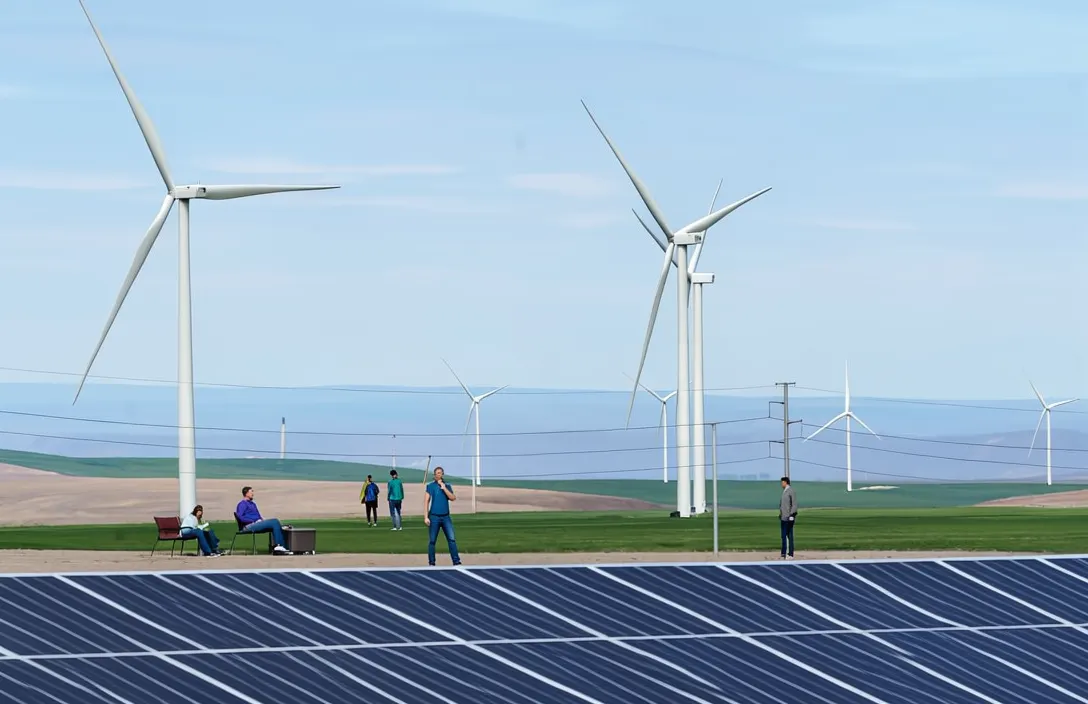

According to a recent report by the Oregon Department of Energy, the state has significantly reduced its reliance on coal over the past decade. In 2016, coal accounted for 28% of Oregon’s energy mix, but by 2024, this figure had fallen by more than two-thirds to just about 8% (Source ID: 1). This shift is part of a broader move toward renewable energy sources, which now play an increasingly larger role in the state’s power mix. The report highlights that solar energy use has increased eighteenfold between 2014 and 2024, while wind energy contributes 8% of the state’s electricity (Source ID: 1). [1]
Hydropower remains the largest source of energy in Oregon, providing nearly 34% of the state’s power, followed by out-of-state electricity imports, which account for 21% of the overall share of power used in the state (Source ID: 1). These imports often come from unspecified sources, such as natural gas or coal, and power known to be coming from natural gas makes up 21% of the mix (Source ID: 1). The state’s energy strategy includes a mandate for its largest electric utilities to reduce greenhouse gas pollution to 80% below 1990s levels by 2030 and 90% by 2035 (Source ID: 1). [1]
The Oregon Department of Energy collects electricity resource data from state utility providers to track power sources and understand the environmental effects of electricity use (Source ID: 2). The methodology for analyzing the electricity mix has been updated, with data now collected from the Oregon Department of Environmental Quality starting with the 2022 data (Source ID: 2). This change ensures consistent use of energy data across state agencies and improves the efficiency of data collection (Source ID: 2). [2]
The Oregon Department of Energy collects electricity resource data from state utility providers to track power sources and understand the environmental effects of electricity use (Source ID: 2). The information helps Oregonians and state agencies monitor the sources of electricity, including those generated outside the state and delivered to Oregon customers. This data collection process has evolved over time, with changes in methodology beginning in 2022 to ensure consistency across state agencies and improve data collection efficiency (Source ID: 2). [2]
Advertisement
The state’s energy mix is analyzed in the Oregon Department of Energy’s Biennial Energy Report, which is developed every even-numbered year to inform energy policy and planning (Source ID: 3). The 2026 report highlights the ongoing transition to cleaner energy sources and provides insights into the energy sector's evolution, including the increasing availability of renewable energy and the challenges posed by growing energy demand (Source ID: 3). This report serves as a key resource for understanding the state's energy strategy and the path toward a clean, affordable, and reliable energy future (Source ID: 3). [3]
According to the report, hydropower remains Oregon’s largest source of energy, providing nearly 34% of the state’s power, followed by out-of-state electricity imports, which account for 21% of the overall share of power used in the state (Source ID: 1). This data reflects the state's efforts to reduce reliance on coal, which has decreased significantly over the past decade. In 2016, coal accounted for 28% of Oregon’s energy mix, but by 2024, that share had fallen to about 8% (Source ID: 1). [1]
According to the Oregon Department of Energy’s Biennial Energy Report, hydropower remains the largest source of energy in Oregon, providing nearly 34% of the state’s power, followed by out-of-state electricity imports, which account for 21% of the overall share of power used in the state (Source ID: 1). The report highlights that the use of solar energy has increased eighteenfold between 2014 and 2024, while wind power now accounts for 8% of the state’s electricity (Source ID: 1). [1]
The Oregon Department of Energy collects electricity resource data from state utility providers to track power sources and understand the environmental effects of electricity use (Source ID: 2). This data is used to analyze the state’s energy mix and support energy policy and planning (Source ID: 3). The agency’s methodology for collecting and presenting electricity market purchases has evolved, with data now collected from the Oregon Department of Environmental Quality rather than directly from utilities (Source ID: 2). [2] [3]
Advertisement
In 2016, 28% of Oregon’s energy mix came from coal. The most recent available data from 2024 shows that this has fallen by more than two-thirds, to just about 8% (Source ID: 1). A 2021 state law mandates that Oregon’s largest electric utilities reduce their greenhouse gas pollution to 80% below 1990s levels by 2030 and 90% below 1990s levels by 2035 (Source ID: 1). [1]
According to the Oregon Department of Energy’s Biennial Energy Report, hydropower remains the largest source of energy in Oregon, providing nearly 34% of the state’s power, followed by out-of-state electricity imports, which account for 21% of the overall share of power used in the state (Source ID: 1). The report also shows that wind and solar are an increasingly larger part of the state’s power mix, with solar energy use increasing eighteenfold between 2014 and 2024 (Source ID: 1). This shift reflects the state’s efforts to reduce reliance on fossil fuels and transition toward cleaner energy sources. [1]
The Oregon Department of Energy collects electricity resource data from state utility providers to track power sources and understand the environmental effects of electricity use (Source ID: 2). The methodology for analyzing the electricity mix has evolved, with the department now relying on data from the Oregon Department of Environmental Quality instead of directly from utilities, beginning with the 2022 data (Source ID: 2). This change ensures consistent use of energy data across state agencies and provides more accurate insights into the sources of electricity consumed in Oregon. [2]
The Oregon Department of Energy’s Biennial Energy Report is developed every even-numbered year to inform energy policy and planning (Source ID: 3). The 2026 report emphasizes the importance of renewable energy in meeting the state’s energy needs while addressing the growing demand driven by factors such as the proliferation of data centers and industrial growth (Source ID: 3). The report serves as a critical resource for stakeholders seeking to understand the evolving energy landscape and the opportunities it presents for a clean and sustainable future. [3]
Advertisement
Sources
Prepared with AI assistance from the cited sources.
The Cali Reporter newsletter
The stories worth your time.
California, the country, and what comes next. Join our free newsletter for reporting that keeps you informed.
More in West Coast
- COP31 Collapse Highlights Climate Negotiation Challenges
The collapse of COP31, the U.N. climate talks in Turkey, has underscored the difficulties in achieving global consensus on climate action, with experts emphasizing the need for reform and individual efforts moving…
- ScienceWorks Museum to Transition to Community Science Center
ScienceWorks Hands-On Museum in Ashland, Oregon, is pausing most activities and transitioning to a community science center with new resources for all ages, according to a report by Jefferson Public Radio.
- Seniors Embrace Tesla's Automated Driving Despite Safety Concerns
A growing number of older drivers are using Tesla's Full-Self Driving (Supervised) technology to maintain their independence, despite warnings from safety experts about potential risks.