New York Times' Misrepresentation of Los Angeles' Eastside
A recent article by the New York Times has drawn criticism for its portrayal of Los Angeles' Eastside, with critics arguing that it overlooked historically significant Latino-majority neighborhoods.

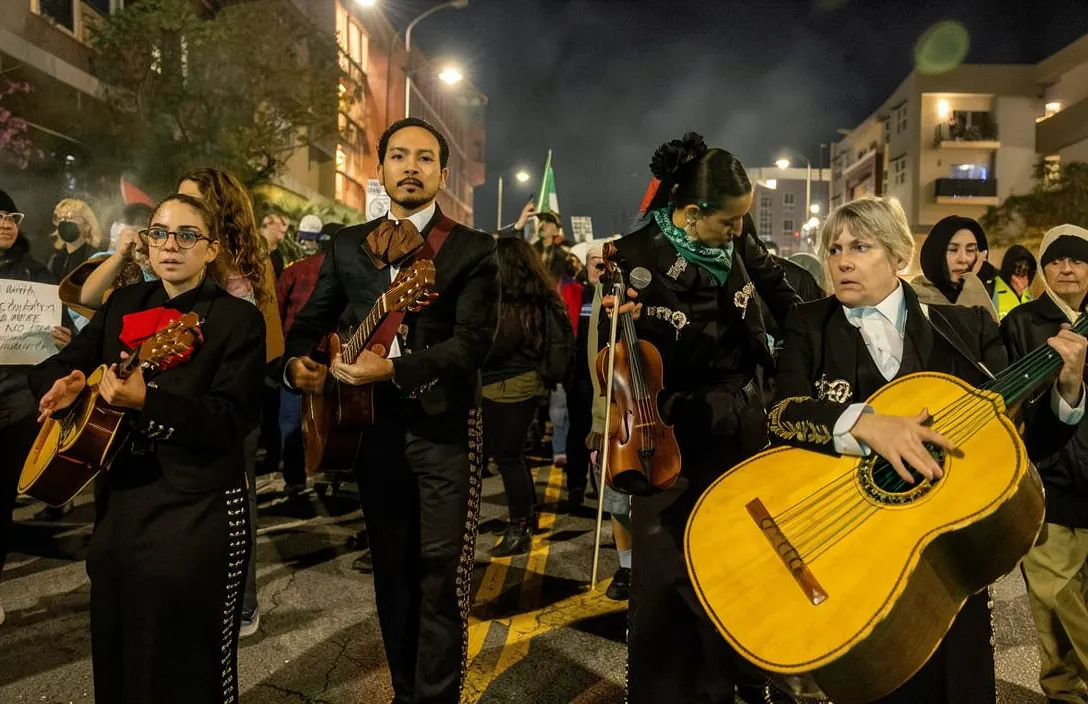
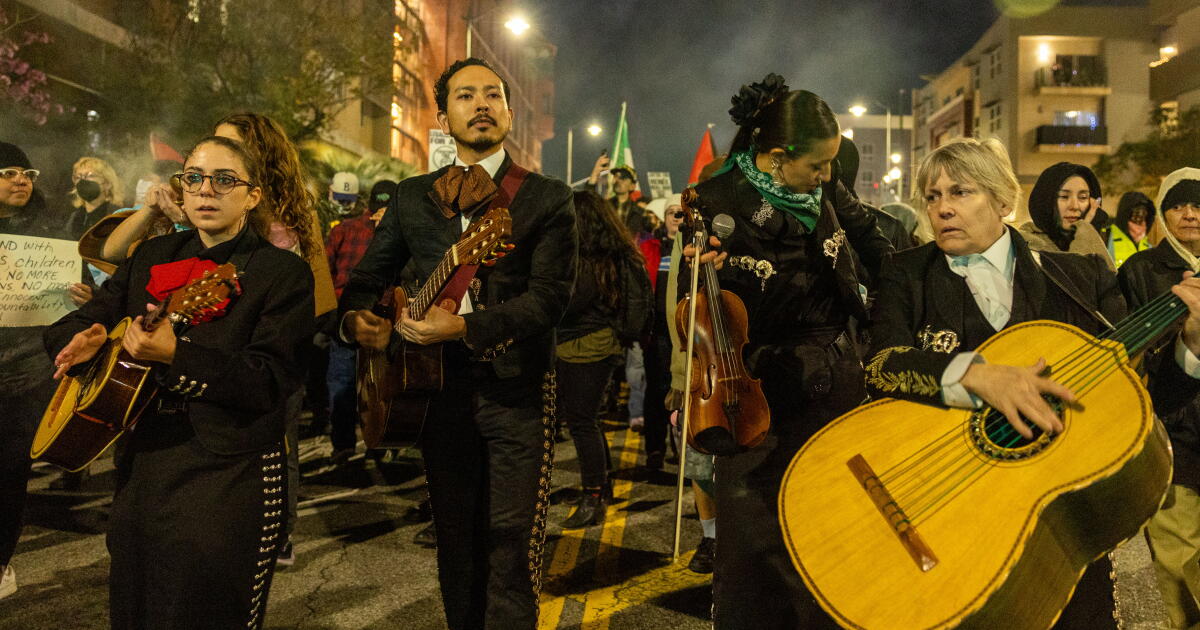
The New York Times recently published an article titled, '36 Hours on the Eastside of Los Angeles,' which has been criticized for misrepresenting the region. The article inaccurately described the term 'Eastside' as a 'relatively recent label,' despite the fact that it has long been used to refer to East Los Angeles and its surrounding Latino neighborhoods (Source ID: 1). This mischaracterization has led to frustration among residents and community members who feel that the article failed to acknowledge the historical and cultural significance of the Eastside. [1]
The article also failed to include any recommendations or mentions of historically significant neighborhoods such as Boyle Heights, Lincoln Heights, and El Sereno, despite acknowledging in the introduction that the Eastside historically referred to 'East Los Angeles and its surrounding Latino neighborhoods' (Source ID: 1). Critics argue that these neighborhoods, which have long been associated with the Eastside label, were overlooked in favor of areas like Silver Lake and Echo Park, which have more recently adopted the Eastside moniker. [1]
The article's omission of key Eastside neighborhoods has been viewed as a failure to recognize the cultural and historical richness of the region. The Eastside is home to a vibrant Latino community, as well as landmarks such as the Mexican American All Wars Memorial and Evergreen Cemetery, which are not only significant to the Eastside but also to the broader history of Los Angeles (Source ID: 1). The criticism has prompted calls for a more accurate and inclusive portrayal of the Eastside in future articles. [1]
The New York Times recently published an article titled, '36 Hours on the Eastside of Los Angeles,' which has been criticized for misrepresenting the region. The article failed to include any recommendations or mentions of historically significant neighborhoods such as Boyle Heights, Lincoln Heights, and El Sereno, despite acknowledging in the introduction that the Eastside historically referred to 'East Los Angeles and its surrounding Latino neighborhoods' (Source ID: 1). [1]
Advertisement
The article's omission of key Eastside neighborhoods has been viewed as a failure to recognize the cultural and historical richness of the region. The LA Times article highlights that the New York Times guide to the Eastside included areas that have never been associated with the moniker, such as Thai Town, Little Tokyo, and Downtown Los Angeles, while ignoring the historically Latino-majority communities (Source ID: 1). [1]
The LA Times article further notes that the New York Times guide did not recommend any places in Boyle Heights, Lincoln Heights, or El Sereno, despite acknowledging that these neighborhoods have long been the Eastside. The article emphasizes that the Eastside is not just a label but a region with deep cultural and historical significance, particularly for the Latino community (Source ID: 1). [1]
The New York Times recently published an article titled, '36 Hours on the Eastside of Los Angeles,' which has been criticized for misrepresenting the region. The article's omission of key Eastside neighborhoods has been viewed as a failure to recognize the cultural and historical richness of the region. The LA Times article further notes that the New York Times guide did not recommend any places in Boyle Heights, Lincoln Heights, or El Sereno, despite acknowledging that these neighborhoods have long been the Eastside (Source ID: 1). [1]
The LA Times article highlights that the New York Times guide included areas that have never used the Eastside moniker, such as Thai Town and Little Tokyo, while ignoring the historically Latino-majority communities east of the L.A. River. This exclusion has been seen as a blind spot for anything Latino in Los Angeles, with the article failing to recommend any places in Boyle Heights, Lincoln Heights, or El Sereno despite acknowledging their historical significance (Source ID: 1). [1]
Advertisement
The LA Times article further notes that the New York Times guide did not recommend any places in Boyle Heights, Lincoln Heights, or El Sereno, despite acknowledging that these neighborhoods have long been the Eastside. The article's failure to include these neighborhoods has been viewed as a failure to recognize the cultural and historical richness of the region (Source ID: 1). [1]
The New York Times recently published an article titled, '36 Hours on the Eastside of Los Angeles,' which has been criticized for misrepresenting the region. The article's introduction incorrectly states that 'Eastside' is a relatively recent label, despite the historical significance of the term, which has long referred to 'East Los Angeles and its surrounding Latino neighborhoods' (Source ID: 1). This mischaracterization has led to concerns about the article's failure to accurately reflect the region's identity and history. [1]
The article has also been criticized for omitting key Eastside neighborhoods such as Boyle Heights, Lincoln Heights, and El Sereno, despite acknowledging their historical significance in the introduction. The LA Times article notes that the New York Times guide did not recommend any places in these neighborhoods, even though they have long been the Eastside (Source ID: 1). This omission has been viewed as a failure to recognize the cultural and historical richness of these communities. [1]
Additionally, the guide included areas that have never used the Eastside moniker, such as Thai Town and Little Tokyo, while ignoring historically Latino-majority communities east of the L.A. River. Despite being geographically generous in its definition of the Eastside, the article does not recommend any places in Boyle Heights, Lincoln Heights, or El Sereno, even though these neighborhoods have always been the Eastside (Source ID: 1). This has raised concerns about the guide's representation of the region and its failure to highlight the neighborhoods that have defined the Eastside for decades. [1]
Advertisement
The Cali Reporter newsletter
The stories worth your time.
California, the country, and what comes next. Join our free newsletter for reporting that keeps you informed.
More in Los Angeles
- Afghan Journalist's Asylum Case Sparks Press Freedom Concerns
An Afghan journalist detained in California faces deportation to Afghanistan, where he could face persecution by the Taliban, according to advocacy groups and legal representatives.
- Oakland Incident Sparks Outrage Over ICE Actions
A video showing federal immigration agents using force against civilians in Oakland has raised concerns about immigration enforcement tactics.
- Los Angeles Zoo Celebrates 60th Anniversary with Discounted Admission
The Los Angeles Zoo is commemorating its 60th anniversary with discounted admission during the Thanksgiving holiday weekend, offering a promotional rate for visitors.