

New Study Links Sperm Count Decline And Chronic Stress To A Hunter-Gatherer Mismatch
Evolutionary experts say our biology is struggling to keep up with industrial life.

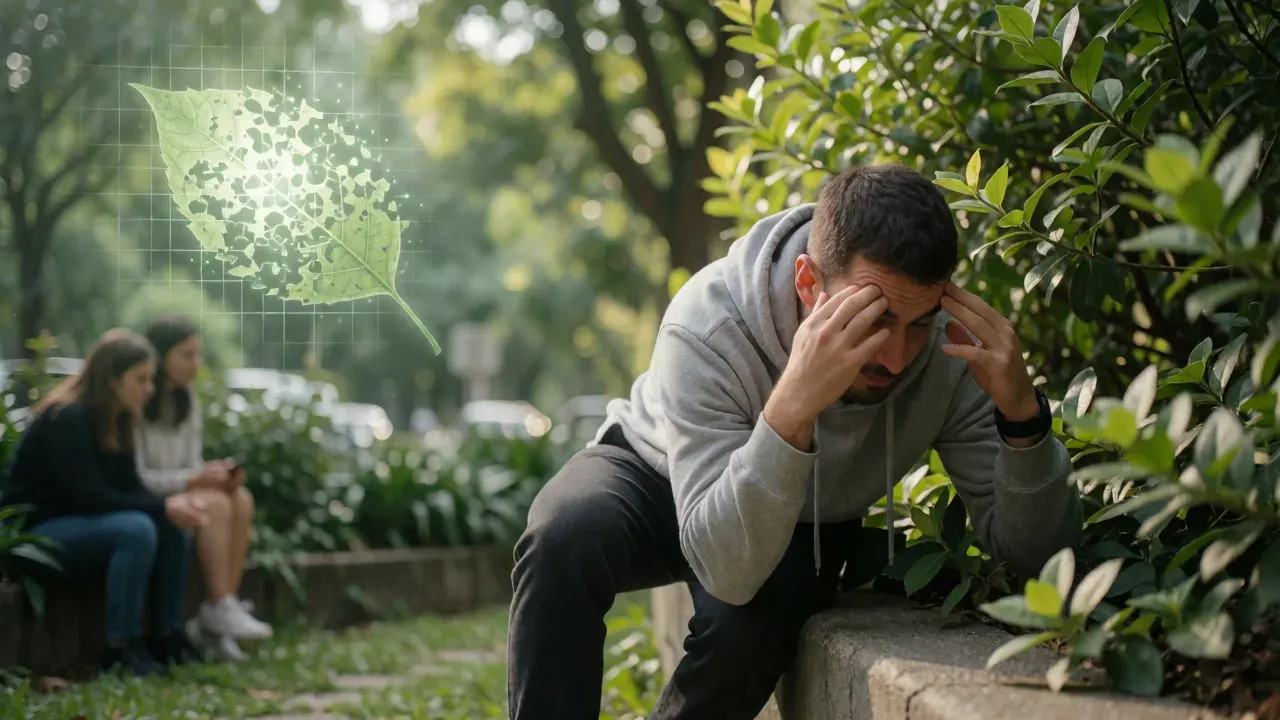
We all have days where we feel like we are running a marathon in a crowded elevator. The noise is loud, the air is stale, and we simply cannot catch our breath. It turns out that a new analysis by evolutionary anthropologists Colin Shaw and Daniel Longman might just explain why you feel this way. Their work suggests that the modern world has developed faster than human biology can actually adapt. It is a fascinating look at how the technology we cherish might be stressing us out in ways we never expected.
Their research proposes that chronic stress and many widespread health concerns stem from a fundamental clash between our nature-shaped physiology and the highly industrialized environments most people live in today. To understand this, you have to look back at where we came from. For hundreds of thousands of years, humans evolved to meet the physical and psychological demands of hunter-gatherer life. This required frequent movement, short bursts of intense stress and daily exposure to natural settings. We were built for the wild, not the waiting room.
Then came industrialization. This change happened within only a few centuries by adding noise, air and light pollution, microplastics, pesticides, continuous sensory input, artificial lighting, processed foods and long periods of sitting. It is a lot to process, and I mean that literally. The sheer volume of stimuli is constant. I am reading this on a screen while my phone buzzes with notifications about emails and texts. It is a sensory overload that our ancestors never had to deal with.

"In our ancestral environments, we were well adapted to deal with acute stress to evade or confront predators," says Colin Shaw, who leads the Human Evolutionary EcoPhysiology research group with Daniel Longman. "The lion would come around occasionally, and you had to be ready to defend yourself or run. The key is that the lion goes away again." This is a powerful image. It helps us understand how our bodies work. Modern stressors such as traffic, workplace pressure, social media and persistent noise activate the same biological pathways that once helped humans survive predators. Unlike the rapid resolution our ancestors experienced, these stressors rarely subside.
"Our body reacts as though all these stressors were lions," Longman explains. "Whether it's a difficult discussion with your boss or traffic noise, your stress response system is still the same as if you were facing lion after lion. As a result, you have a very powerful response from your nervous system, but no recovery." This lack of recovery is the real killer. It is why we feel exhausted even after a full night's sleep.
In their review, Shaw and Longman evaluate research suggesting that the shift toward industrial and urban living is reducing human evolutionary fitness. Evolutionary success depends on both survival and reproduction, and the authors argue that both have been negatively influenced since industrialization began. They highlight falling fertility rates across much of the world and increasing rates of inflammatory and autoimmune conditions as evidence that modern environments are placing stress on human biology.
"There's a paradox where, on the one hand, we've created tremendous wealth, comfort and healthcare for a lot of people on the planet," Shaw says, "but on the other hand, some of these industrial achievements are having detrimental effects on our immune, cognitive, physical and reproductive functions." This is the crux of the matter. We have the best healthcare system money can buy, yet we feel sicker than ever. It is a strange predicament to be in.
One of the most studied examples is the steady decline in sperm count and sperm motility observed since the 1950s. Shaw notes that these trends appear to be linked to environmental exposures. "This is believed to be tied to pesticides and herbicides in food, but also to microplastics," he says. It is a sobering thought to consider what is in our dinner.
Technological and environmental conditions continue to change far more rapidly than biological evolution can respond to. "Biological adaptation is very slow. Longer-term genetic adaptations are multigenerational -- tens to hundreds of thousands of years," Shaw says. According to the researchers, this means the mismatch between human physiology and modern living conditions will not correct itself through natural evolutionary processes. We cannot just wait around for our bodies to catch up.
Instead, they argue that societies must take active steps to reduce these pressures by strengthening connections to nature and creating healthier, more sustainable environments. Addressing this mismatch requires both cultural and environmental changes. Shaw suggests treating nature as a crucial component of public health and protecting or restoring landscapes that resemble those in which humans originally evolved. He also advocates for rethinking city design to better align with human physiology and reduce harmful exposures.
"Our research can identify which stimuli most affect blood pressure, heart rate or immune function, for example, and pass that knowledge on to decision-makers," Shaw says. "We need to get our cities right -- and at the same time regenerate, value and spend more time in natural spaces." It seems like a lot of work, but when you think about it, getting our cities right might be the only way to ensure we actually survive them.
First reported by ScienceDaily: Relationships.
More in Love & Relationships
- Clear requests and respectful boundaries belong in everyday relationships
NIH guidance highlights honest conversation, listening and limits as parts of supportive connections.
- How Eye-Tracking Revealed Hidden Social Skills in Severely Disabled Youth
A new study finds that personalized training can unlock social abilities in people often considered untestable.
- Sleep matters: Duration, timing, quality and more may affect cardiovascular disease risk
Healthy sleep includes multiple components, such as number of hours of sleep per night, how long it takes to fall asleep, daytime functionin