New California Bullet Train Czar Outlines Financial and Management Priorities
The new leader of California’s high-speed rail project has emphasized financial accountability and securing additional funding amid ongoing concerns about the project’s viability.

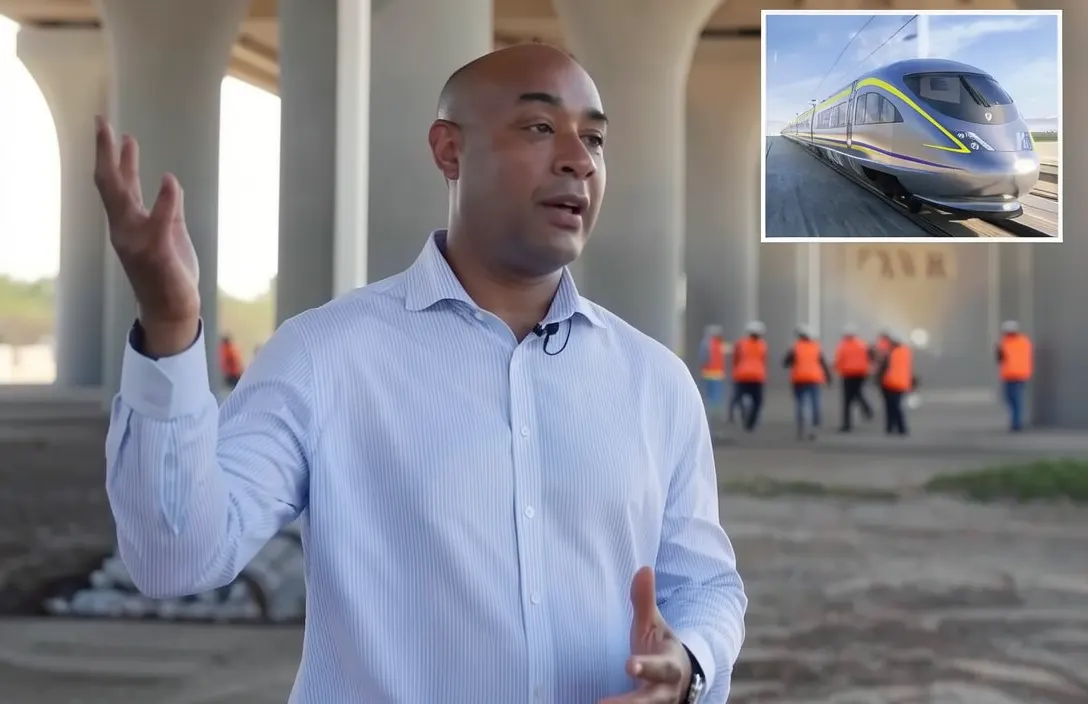

Joe Stephenshaw, the new interim CEO of California’s High-Speed Rail Authority, has outlined his priorities for managing the beleaguered $231 billion bullet train project, which has faced significant financial and management challenges. Stephenshaw, who previously served as director of the California Department of Finance, emphasized the importance of accountability and transparency, stating that these are critical for the project’s future. He also highlighted the need to address the project’s financing, which he described as the most significant issue facing the authority (source ID 1). [1]
Stephenshaw’s appointment follows the resignation of former CEO Ian Choudri, who left amid legal and financial controversies, including allegations of mismanaged expenses such as rideshare trips to Tiki bars and first-class flight upgrades. The authority’s board had been considering disciplinary action against Choudri, including possible termination, over these issues. Stephenshaw’s experience in state finance and budgeting, as well as his previous roles in the legislature, has been cited as key qualifications for overseeing the project (source ID 1). [1]
The high-speed rail project, initially approved by voters in 2008, has faced repeated delays and cost overruns, with current estimates ranging between $126 billion and $231 billion. The Trump administration pulled $4 billion in federal funding in 2025, citing the project’s slow progress and high costs. With the authority’s current funding from the state’s general budget at roughly $1 billion per year, Stephenshaw has stated the need to explore additional funding strategies to ensure the project’s continuation (source ID 1). [1]
Joe Stephenshaw, the new interim CEO of California’s High-Speed Rail Authority, has outlined his priorities for managing the beleaguered $231 billion bullet train project, which has faced significant financial and management challenges. Stephenshaw’s appointment follows the resignation of former CEO Ian Choudri, who left amid legal and financial controversies, including allegations of mismanaged expenses such as rideshare trips to Tiki bars and first-class flight upgrades (source ID 1). [1]
Advertisement
Stephenshaw, who comes to the post from the California Department of Finance, emphasized his focus on ensuring accountability and transparency for the project, as well as addressing the significant financing issues that have plagued the initiative. He stated that his experience with the state’s finances and budget makes him well-suited to lead the authority through its current challenges (source ID 1). [1]
The high-speed rail project, initially approved by voters in 2008, has faced repeated delays and cost overruns, with current estimates ranging between $126 billion and $231 billion. An Inspector General audit also found the rail authority paid out $592,900 in “unallowable” expenses run up by consultants, including rideshare trips to Tiki bars, an escape room, and first-class flight upgrades (source ID 1). [1]
Stephenshaw did not deny the high-speed rail auditor’s warning that the project could run out of cash as soon as December 2027. He said the date depends on how the authority spends what it has. For now, he said, the authority is concentrating on finishing the first stretch of the line (source ID 1). [1]
Joe Stephenshaw, the new interim CEO of California’s High-Speed Rail Authority, has emphasized his focus on ensuring accountability and transparency for the project, as well as addressing the significant financing issues that have plagued the initiative. Stephenshaw, who comes to the post from the California Department of Finance, highlighted his experience with state finances and budget management as key qualifications for leading the troubled project. He stated that his top two priorities are cleaning up the books and finding more money for the initiative, which has faced repeated delays and cost overruns (source ID: 1). [1]
Advertisement
The high-speed rail project, initially approved by voters in 2008, has faced repeated delays and cost overruns, with current estimates ranging between $126 billion and $231 billion. The authority’s board named Stephenshaw interim CEO following the resignation of former CEO Ian Choudri, who left amid legal and financial controversies, including allegations of mismanaged expenses such as rideshare trips to Tiki bars and first-class flight upgrades. The high-speed rail auditor has warned the project could run out of cash as soon as December 2027, and Stephenshaw acknowledged that the date depends on how the authority spends its remaining funds (source ID: 1). [1]
Stephenshaw pointed to the roughly $1 billion a year the project gets from the state’s general fund and said the authority would work to maintain that funding while exploring strategies for additional resources. He also emphasized the need to finish the first stretch of the line and address the project’s long-term viability. The Trump administration pulled $4 billion in federal funding in July 2025, citing the project’s slow progress and huge cost, branding it the “Train to Nowhere.” The authority now hopes private investors will fill the gap, but Stephenshaw will have to answer to Gov.-elect Xavier Becerra, who has pledged to replace Choudri and restore public confidence in the project (source ID: 1). [1]
Joe Stephenshaw, the new interim CEO of California’s High-Speed Rail Authority, has outlined his priorities for managing the beleaguered $231 billion bullet train project, which has faced significant financial and management challenges. Stephenshaw’s appointment follows the resignation of former CEO Ian Choudri, who left amid legal and financial controversies, including allegations of mismanaged expenses such as rideshare trips to Tiki bars and first-class flight upgrades (1). [1]
Stephenshaw, who comes to the post from the California Department of Finance, emphasized his focus on ensuring accountability and transparency for the project, as well as addressing the significant financing issues that have plagued the initiative. The high-speed rail project, initially approved by voters in 2008, has faced repeated delays and cost overruns, with current estimates ranging between $126 billion and $231 billion (1). [1]
Advertisement
Stephenshaw pointed to the roughly $1 billion a year the project gets from the state’s general fund and said the authority would work to maintain that funding while exploring strategies for additional resources. The clock is ticking: The high-speed rail auditor has warned the project could run out of cash as soon as December 2027 (1). [1]
Sources
Prepared with AI assistance from the cited sources.
The Cali Reporter newsletter
The stories worth your time.
California, the country, and what comes next. Join our free newsletter for reporting that keeps you informed.
More in U.S. News
- Nvidia CEO Returns to Denny's After Plaque Removal
Nvidia's CEO, Jensen Huang, has returned to the Denny's in San Jose, California, where the company was founded, following the temporary removal of a commemorative plaque.
- Taylor Frankie Paul Hints at Applying for Sam Hartman's 'Bachelor' Season
Taylor Frankie Paul, whose 'Bachelorette' season was canceled, is jokingly suggesting she may apply for Sam Hartman's upcoming 'Bachelor' season.
- Kentucky Couple's Dream Home Turns Into Snake-Infested Nightmare
A Kentucky couple's new home has become a snake-infested nightmare, with evidence suggesting the infestation may have been present for decades.