New Biomarkers for Alzheimer's Disease, Depression and Beyond
Recent research highlights the development of new biomarkers that may improve the detection and treatment of neurological and psychiatric disorders, including Alzheimer's disease and depression.

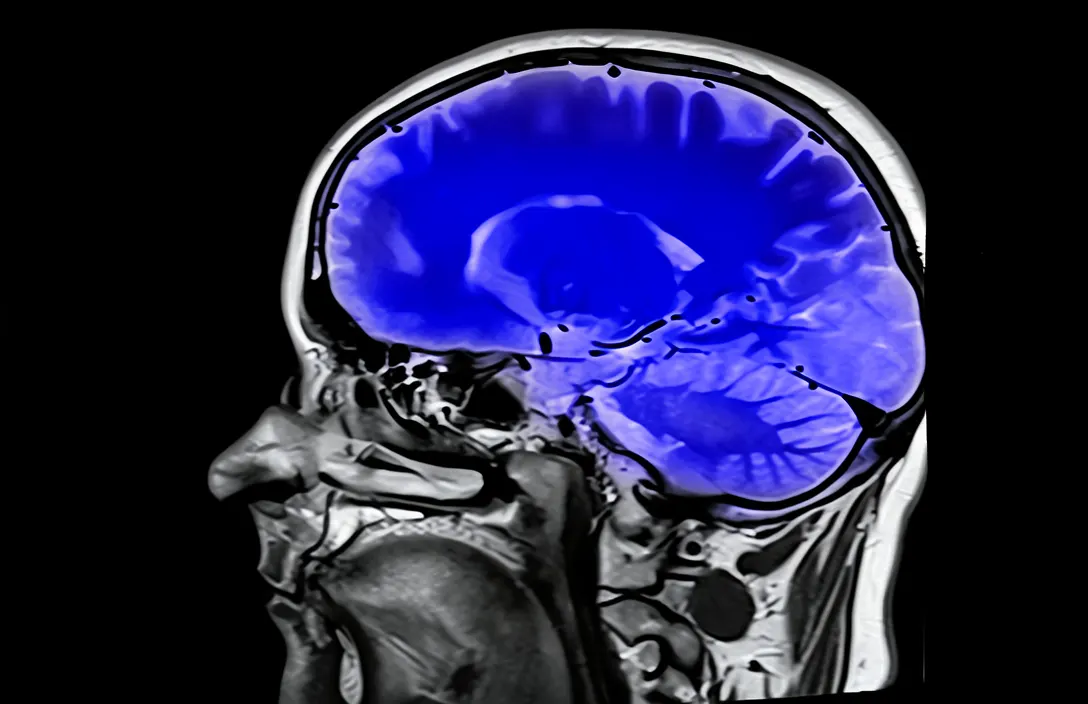

Newly developed biomarkers may enhance clinicians' ability to detect and treat disorders of the nervous system, including Alzheimer's disease, mood disorders and neurodevelopmental conditions. The findings were presented at Neuroscience 2026, the annual meeting of the Society for Neuroscience (1). Neurological and psychiatric conditions affect billions of people worldwide and are a leading cause of disability. Biological markers, or biomarkers, could help doctors better diagnose and treat these diseases (1). [1]
The use of biomarkers is now commonplace in fields such as cancer biology, cardiovascular disease and genetic disorders. However, the complex biology of the nervous system has been a challenge in the development of biomarkers for brain disorders. New research is advancing efforts to understand, detect and treat neurological and psychiatric disorders with biomarkers such as brain imaging measures, substances in the blood, genetic changes and subtle motor signs that may escape visual observation (1). [1]
New findings show that measuring the size of brain structures other than the hippocampus may help detect early Alzheimer's-related neurodegeneration and serve as a biomarker for disease progression (1). Some cognitively healthy older adults may maintain younger-appearing brain structure, despite having elevated levels of blood biomarkers linked to neurodegeneration (1). Changes in mitochondria genes in brain and blood samples from people with major depressive disorder may have potential implications for biomarker development and potential treatment targets (1). [1]
Newly developed biomarkers may enhance clinicians' ability to detect and treat disorders of the nervous system, including Alzheimer's disease, mood disorders and neurodevelopmental conditions. The findings were presented at Neuroscience 2026, the annual meeting of the Society for Neuroscience (1). Neurological and psychiatric conditions affect billions of people worldwide and are a leading cause of disability. Biological markers, or biomarkers, could help doctors better diagnose and treat these diseases (1). [1]
Advertisement
The use of biomarkers is now commonplace in fields such as cancer biology, cardiovascular disease and genetic disorders. However, the complex biology of the nervous system has been a challenge in the development of biomarkers for brain disorders (1). New research is advancing efforts to understand, detect and treat neurological and psychiatric disorders with biomarkers such as brain imaging measures, substances in the blood, genetic changes and subtle motor signs that may escape visual observation (1). [1]
New findings show that measuring the size of brain structures other than the hippocampus may help detect early Alzheimer's-related neurodegeneration and serve as a biomarker for disease progression (1). Some cognitively healthy older adults may maintain younger-appearing brain structure, despite having elevated levels of blood biomarkers linked to neurodegeneration (1). Changes in mitochondria genes in brain and blood samples from people with major depressive disorder may have potential implications for biomarker development and potential treatment targets (1). [1]
Newly developed biomarkers may enhance clinicians' ability to detect and treat disorders of the nervous system, including Alzheimer's disease, mood disorders and neurodevelopmental conditions. The use of biomarkers is now commonplace in fields such as cancer biology, cardiovascular disease and genetic disorders. However, the complex biology of the nervous system has been a challenge in the development of biomarkers for brain disorders (1). [1]
New findings show that measuring the size of brain structures other than the hippocampus may help detect early Alzheimer's-related neurodegeneration and serve as a biomarker for disease progression. This approach could lead to earlier diagnosis and more effective treatment strategies for Alzheimer's disease (1). [1]
Advertisement
Research also indicates that some cognitively healthy older adults may maintain younger-appearing brain structure, despite having elevated levels of blood biomarkers linked to neurodegeneration. This suggests that brain structure and blood biomarkers may not always align in predicting neurodegeneration (1). [1]
Changes in mitochondria genes in brain and blood samples from people with major depressive disorder may have potential implications for biomarker development and potential treatment targets. These findings highlight the growing importance of biomarkers in understanding and treating a wide range of neurological and psychiatric conditions (1). [1]
Newly developed biomarkers may enhance clinicians' ability to detect and treat disorders of the nervous system, including Alzheimer's disease, mood disorders and neurodevelopmental conditions. The use of biomarkers is now commonplace in fields such as cancer biology, cardiovascular disease and genetic disorders. However, the complex biology of the nervous system has been a challenge in the development of biomarkers for brain disorders (1). [1]
New findings show that measuring the size of brain structures other than the hippocampus may help detect early Alzheimer's-related neurodegeneration and serve as a biomarker for disease progression. This research was presented at Neuroscience 2026, the annual meeting of the Society for Neuroscience (1). [1]
Advertisement
Some cognitively healthy older adults may maintain younger-appearing brain structure, despite having elevated levels of blood biomarkers linked to neurodegeneration. This finding highlights the complexity of biomarker interpretation in neurological conditions (1). [1]
Changes in mitochondria genes in brain and blood samples from people with major depressive disorder may have potential implications for biomarker development and potential treatment targets. This research underscores the growing role of biomarkers in understanding and treating a range of neurological and psychiatric conditions (1). [1]
Sources
Prepared with AI assistance from the cited sources.
The Cali Reporter newsletter
The stories worth your time.
California, the country, and what comes next. Join our free newsletter for reporting that keeps you informed.
More in Health & Medicine
- Brain Energy Mismatches in Schizophrenia
A new study explores the potential role of energy bottlenecks in brain cells in explaining fragmented experiences of time, space, and self in schizophrenia.
- Brazil Reports First Mpox Death in 2026
Brazil has recorded its first mpox-related death in 2026, but public health officials are not classifying the current surge in cases as an outbreak, according to the Fiocruz Institute.
- Personalized Therapies for IBD May Target Specific Harmful Gut Bacteria
A study led by Dr. Lukas Mager and Prof. Kathy McCoy has identified two gut bacteria that promote inflammation in inflammatory bowel disease, opening the door for personalized treatments.