New Bill Aims to Expand Student Loan Borrowing Limits for Advanced Degrees
Democratic lawmakers are pushing to expand access to higher student-loan borrowing limits, following criticism of Trump's proposed restrictions on graduate and professional degree programs.

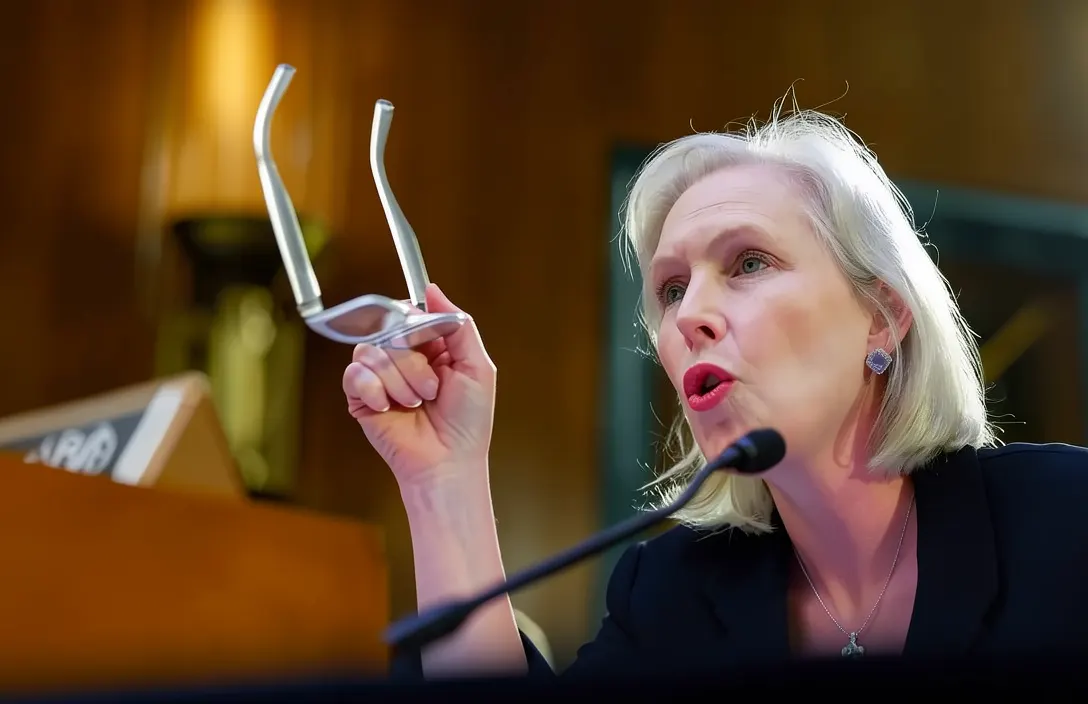
Sen. Kirsten Gillibrand and Sen. Jeff Merkley introduced a new bill to expand the number of advanced degrees that qualify for a higher student-loan borrowing cap. This comes in response to President Donald Trump's student-loan repayment overhaul, which placed a $100,000 lifetime borrowing cap on graduate degrees and a $200,000 cap on professional degrees. The administration also planned to limit professional degrees to 11 programs, such as medicine and law, while excluding other programs like nursing, social work, and education (Source ID: 1). [1]
The proposed limits were met with criticism from both Democratic and Republican lawmakers, who argued that limiting borrowing for nurses would exacerbate the healthcare worker shortage. A lawsuit blocked the administration from implementing the new limits on July 1, and Democratic lawmakers are now seeking to codify professional status for an expanded list of degrees. The bill would maintain professional status for programs that already qualify while restoring professional status to additional programs, including nursing, public health, and physician assistant programs (Source ID: 1). [1]
The bill would also give the education secretary the flexibility to add more programs that meet the "professional degree" requirements. It follows a bipartisan bill earlier this year that called for the inclusion of advanced nursing degrees on the list of professional degrees, noting that tuition for some programs exceeded the borrowing cap. The Department of Education previously said that most advanced nursing programs borrow within the limits (Source ID: 1). [1]
Sen. Kirsten Gillibrand and Jeff Merkley introduced a bill to expand the number of advanced degrees that qualify for a higher student-loan borrowing cap, according to Business Insider. The legislation aims to restore professional status to additional programs, including nursing, public health, and physician assistant programs, which were excluded from the professional degree designation under the Trump administration's student-loan repayment overhaul. The administration had placed a $100,000 lifetime borrowing cap on graduate degrees and a $200,000 cap on professional degrees, limiting professional degrees to 11 programs such as medicine and law, while excluding others like nursing, social work, and education. This move was met with criticism from both Democratic and Republican lawmakers, who argued that limiting borrowing for nurses would exacerbate the healthcare worker shortage (Source ID: 1). [1]
Advertisement
The bill would maintain professional status for programs that already qualify while restoring professional status to additional programs, including nursing, public health, and physician assistant programs. It would also give the education secretary the flexibility to add more programs that meet the "professional degree" requirements. The proposed limits were blocked by a lawsuit, which prevented the administration from implementing the new limits on July 1, and Democratic lawmakers are now seeking to codify professional status for an expanded list of degrees. The bill follows a bipartisan effort earlier this year to include advanced nursing degrees on the list of professional degrees, noting that tuition for some programs exceeded the borrowing cap (Source ID: 1). [1]
The Department of Education previously stated that most advanced nursing programs borrow within the limits, but lawmakers argue that the exclusion of these programs from the professional degree designation would hinder the recruitment of essential workers. Sens. Gillibrand and Merkley emphasize the importance of ensuring that students pursuing fields like social work or nursing do not have to break the bank to serve their communities. The bill is part of a broader effort by Democratic lawmakers to bolster oversight of the student-loan industry and Trump's repayment changes through hearings, investigations, and legislation (Source ID: 1). [1]
Sens. Kirsten Gillibrand and Jeff Merkley introduced a bill that would expand the number of advanced degrees that qualify for a professional degree designation, thereby increasing the borrowing cap for students in these fields. The bill aims to restore professional status to additional programs, including nursing, public health, and physician assistant programs, which were previously excluded from the professional degree designation under President Trump's student-loan repayment overhaul. This move comes in response to criticism from lawmakers across the political spectrum, who argue that limiting borrowing for nurses and other essential workers would worsen existing shortages in the healthcare and education sectors (Source ID: 1). [1]
The bill would maintain professional status for programs that already qualify while allowing the education secretary to add more programs that meet the 'professional degree' requirements. This flexibility is intended to ensure that a broader range of fields can benefit from higher borrowing limits, which are currently set at $100,000 for graduate degrees and $200,000 for professional degrees. The Trump administration had proposed limiting professional degrees to 11 programs, such as medicine and law, while excluding nursing, social work, and education (Source ID: 1). [1]
Advertisement
The Department of Education previously stated that most advanced nursing programs borrow within the existing limits, but lawmakers argue that excluding these programs from the professional degree designation would hinder the recruitment of essential workers. The bill follows a bipartisan effort earlier this year to include advanced nursing degrees on the list of professional degrees, as some programs had tuition costs that exceeded the borrowing cap (Source ID: 1). [1]
Sen. Kirsten Gillibrand and Jeff Merkley introduced a bill that would expand the number of advanced degrees that qualify for a professional degree designation and thus a higher borrowing cap. The bill would maintain professional status for programs that already qualify while restoring professional status to additional programs, including nursing, public health, and physician assistant programs (Evidence ID: 1). [1]
The bill would also give the education secretary the flexibility to add more programs that meet the "professional degree" requirements. This follows a bipartisan bill earlier this year that called for the inclusion of advanced nursing degrees on the list of professional degrees, noting that tuition for some programs exceeded the borrowing cap (Evidence ID: 1). [1]
The Department of Education previously stated that most advanced nursing programs borrow within the limits, but lawmakers argue that excluding these programs from the professional degree designation would hinder the recruitment of essential workers. The limits were met with criticism by both Democratic and Republican lawmakers who argued that limiting borrowing for nurses would exacerbate the healthcare worker shortage (Evidence ID: 1). [1]
Advertisement
The Cali Reporter newsletter
The stories worth your time.
California, the country, and what comes next. Join our free newsletter for reporting that keeps you informed.
More in Business
- Kirkland Signature Meals: A Family's Take on Taste and Value
A family's review of Kirkland Signature meals highlights a mix of flavors, textures, and value at Costco, with some dishes standing out while others fall short of expectations.
- Ex-OpenAI Engineer Donates Equity to AI Safety
Jacob Coxon, a former engineer at OpenAI and Anthropic, has pledged to donate his equity in OpenAI to AI safety research, citing concerns over the risks of uncontrolled AI development.
- Scottish Hacker Sentenced for Crypto Theft Scheme
A Scottish hacker has been sentenced to six years in U.S. federal prison for orchestrating a large-scale cryptocurrency theft operation, according to a report from the U.S. Attorney’s Office for the Central District of…