NASA Conducts Low-Altitude Flights Over Texas Farmland
NASA is conducting low-altitude research flights over farmland near Amarillo, Texas, as part of the FarmFlux mission to measure agricultural emissions.

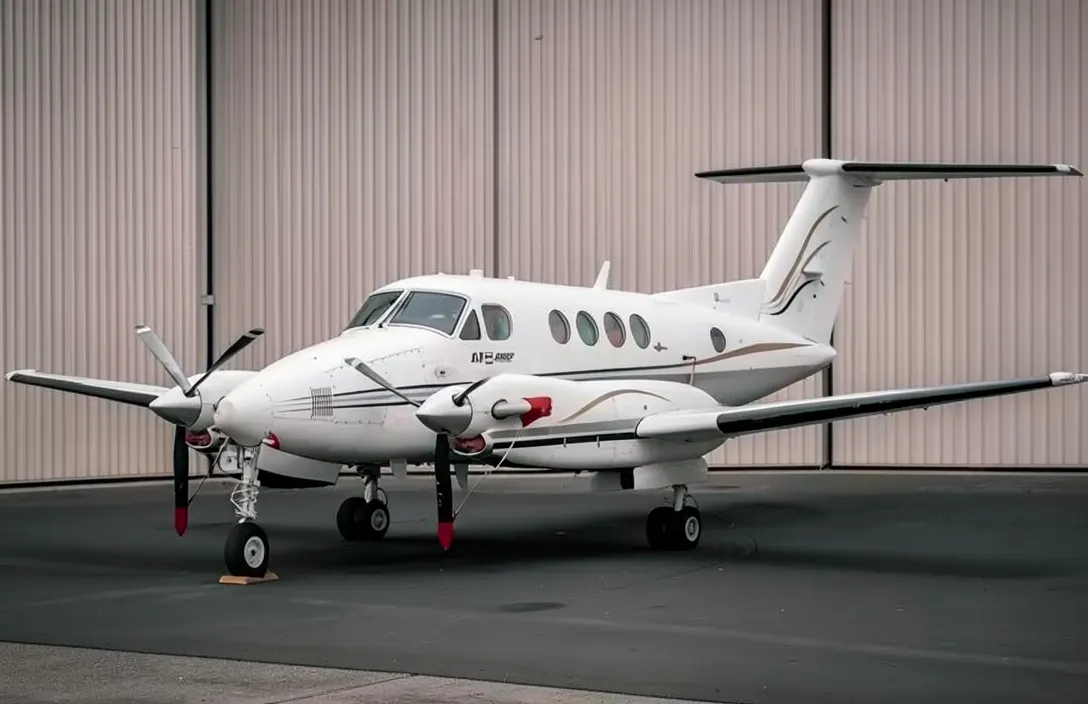
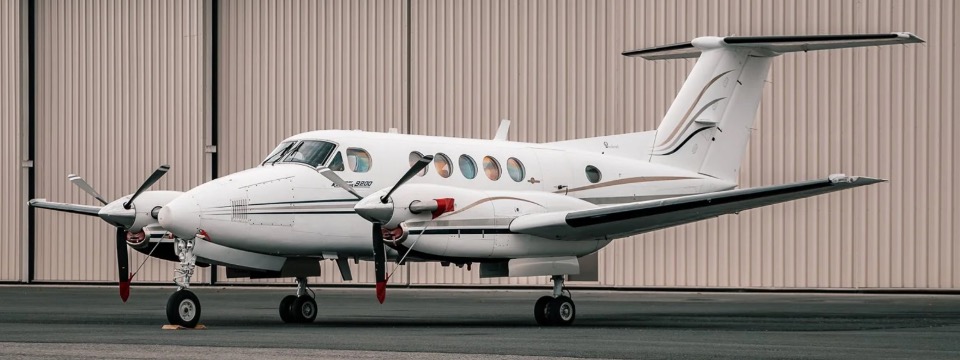
NASA is conducting low-altitude research flights over farmland near Amarillo, Texas, from October 22 to November 2, 2026, as part of the FarmFlux mission. These flights, carried out by a NASA Dynamic Aviation A200 aircraft, aim to measure gaseous and particulate emissions from animal feeding operations. The mission seeks to understand the impact of agricultural emissions on Earth’s land and atmosphere systems, which remain an important and understudied area of climate science (source ID: 1). [1]
The FarmFlux mission will deploy more than a dozen sensors to measure ozone, methane, ammonia, particulates, and other pollutants rising from crop lands and livestock farms. These measurements will help scientists better understand how agricultural emissions interact with the atmosphere. The mission is jointly led by NASA’s Goddard Space Flight Center, Colorado State University, and Boston University (source ID: 1). [1]
Agricultural emissions, including ammonia, methane, and nitrous oxide, are significant contributors to atmospheric pollution in the United States. Quantifying these emissions is challenging due to the lack of ground monitoring networks in rural areas. FarmFlux aims to address this gap by using advanced airborne instruments to collect detailed data on emissions from agricultural regions (source ID: 4). [4]
NASA is conducting low-altitude research flights over farmland near Amarillo, Texas, from October 22 to November 2, 2026, as part of the FarmFlux mission (source ID: 1). The mission involves deploying more than a dozen sensors to measure ozone, methane, ammonia, particulates, and other pollutants rising from crop lands and livestock farms (source ID: 1). These measurements aim to better understand the role of agricultural emissions in atmospheric pollution (source ID: 1). [1]
Advertisement
Agricultural emissions, including ammonia, methane, and nitrous oxide, are significant contributors to atmospheric pollution in the United States (source ID: 1). These emissions are challenging to quantify due to the sparse ground monitoring networks in rural areas (source ID: 4). The FarmFlux mission seeks to address this gap in climate science and atmospheric research by deploying cutting-edge airborne instruments and techniques (source ID: 4). [4]
The mission is jointly led by NASA’s Goddard Space Flight Center, Colorado State University, and Boston University (source ID: 1). Additional low-altitude research flights with a NASA P-3 Orion aircraft are scheduled for the March to July 2027 growing season in the Midwest and California’s Central Valley with a focus on cropland (source ID: 1). These efforts aim to improve air quality models and simulate strategies for long-term air quality improvement (source ID: 4). [1] [4]
NASA is conducting low-altitude research flights over farmland near Amarillo, Texas, from October 22 to November 2, 2026, as part of the FarmFlux mission (source ID: 1). These flights aim to measure gaseous and particulate emissions from animal feeding operations, focusing on pollutants such as ozone, methane, ammonia, and particulates. The mission is part of a broader effort to understand the role of agricultural emissions in atmospheric pollution and their impact on climate and air quality (source ID: 1). [1]
Agricultural emissions, including ammonia, methane, and nitrous oxide, are significant contributors to atmospheric pollution in the United States (source ID: 1). The FarmFlux mission is jointly led by NASA’s Goddard Space Flight Center, Colorado State University, and Boston University (source ID: 1). The project is designed to fill a critical gap in climate science and atmospheric research by using advanced airborne instruments to quantify emissions that are otherwise difficult to measure due to the lack of ground monitoring networks in rural areas (source ID: 4). [1] [4]
Advertisement
The mission will deploy more than a dozen sensors to measure emissions from crop lands and livestock farms and their interaction with the Earth’s atmosphere (source ID: 1). Researchers will address four primary science questions, including how emissions vary with farm practices and weather, the exchange of gases over major crop systems, and the impact of agricultural emissions on regional air quality (source ID: 4). The data collected will be used to improve air quality models and support strategies for long-term air quality improvement (source ID: 4). [1] [4]
NASA is conducting low-altitude research flights over farmland near Amarillo, Texas, from October 22 to November 2, 2026, as part of the FarmFlux mission (source ID: 1). The mission aims to measure gaseous and particulate emissions from animal feeding operations, which are significant contributors to atmospheric pollution in the United States (source ID: 1). These flights will use a NASA Dynamic Aviation A200 aircraft to gather data on emissions such as ozone, methane, ammonia, and particulates, providing critical insights into the environmental impact of agricultural practices (source ID: 1). [1]
The FarmFlux mission is jointly led by NASA’s Goddard Space Flight Center, Colorado State University, and Boston University (source ID: 1). It will deploy more than a dozen sensors to measure emissions from crop lands and livestock farms, as well as their interaction with the Earth’s atmosphere (source ID: 1). This research is part of a broader effort to understand the role of agriculture in atmospheric pollution and to develop strategies for mitigating its environmental impact (source ID: 1). [1]
Agricultural emissions, including ammonia, methane, and nitrous oxide, are significant contributors to atmospheric pollution in the United States (source ID: 1). These emissions are challenging to quantify due to the sparse ground monitoring networks in rural areas (source ID: 4). The FarmFlux mission will use cutting-edge airborne instruments to fill this gap in climate science and atmospheric research, providing data that can improve air quality models and inform long-term strategies for reducing emissions (source ID: 4). [1] [4]
Advertisement
Sources
Prepared with AI assistance from the cited sources.
The Cali Reporter newsletter
The stories worth your time.
California, the country, and what comes next. Join our free newsletter for reporting that keeps you informed.
More in California
- Survivors Support Governor Newsom's Commutation of Death Sentences
Survivors of violent crime in California have expressed support for Governor Gavin Newsom's decision to commute all death sentences, emphasizing the need for healing and resources over state-sanctioned killing.
- Caltrans Announces Winter Closure of Mountain Passes
Caltrans has officially closed several mountain passes in California due to recent snowfall and adverse weather conditions, ensuring the safety of drivers and maintenance crews.
- Documentary Explores Indigenous History of California
A new documentary series, 'People of the West,' delves into the history of California's Indigenous communities through Native voices and perspectives, highlighting overlooked aspects of their past and ongoing struggles…