Multifamily Construction Data Contradicts Industry Outlook
Census Bureau data highlights a surge in multifamily construction starts in October, but industry analysts remain skeptical, citing declining construction pipelines and financial challenges.

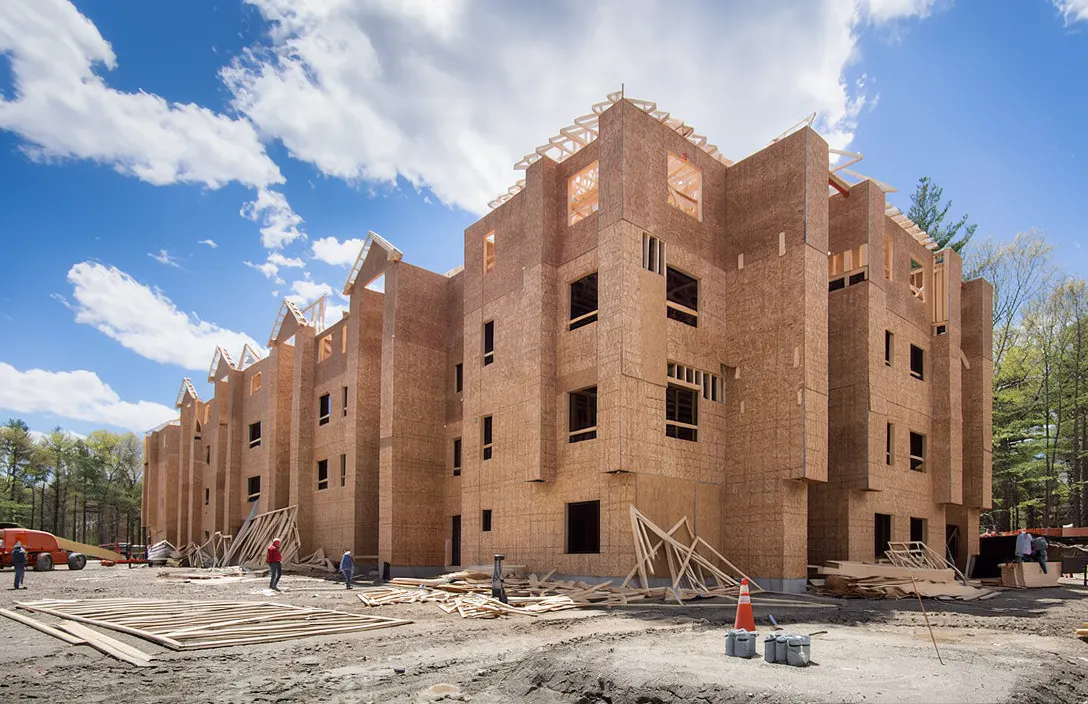

The Census Bureau reported a 25.5% increase in multifamily construction starts in October compared to September, reaching a seasonally adjusted annual rate of 433,000 units (Evidence 1). This marked a 22% rise from the same period in the previous year. However, the data contrasts sharply with industry perspectives, as developers report fewer projects underway and anticipate even fewer starts in 2027. Permits for multifamily construction fell by 5.2% to an annual rate of 475,000, reflecting a decline from the previous month and leaving authorizations 0.4% below their year-earlier level (Evidence 1). [1]
Industry analyst Jay Parsons expressed skepticism about the Census Bureau's findings, noting that the mood among multifamily builders is 'as bearish as I’ve seen since about 2010' (Evidence 1). He attributed this outlook to the Federal Reserve’s recent rate hikes and signals of further increases, which have raised borrowing costs and reduced property values. Parsons questioned the reliability of the Census Bureau’s survey of permit holders in capturing multifamily starts, suggesting that the discrepancy may not be due to monthly volatility (Evidence 1). [1]
Cushman & Wakefield reported that construction pipelines have shrunk in over 70% of the 90 markets it tracks, with the steepest declines in markets that experienced aggressive building during the previous boom. In Sarasota, Florida, units under construction as a share of existing apartment inventory fell by 7.9 percentage points, while Savannah, Georgia, and Austin, Texas also saw sharp declines (Evidence 1). Meanwhile, the AIA/Deltek Architecture Billings Index® (ABI) score remained below 50 at 44.9, indicating continued weak billings for commercial real estate and multifamily residential projects (Evidence 1). [1]
The Census Bureau reported a 25.5% increase in multifamily construction starts in October compared to September, reaching a seasonally adjusted annual rate of 433,000 units (Evidence 1). Permits for multifamily construction, however, fell 5.2% to an annual rate of 475,000, reversing a September increase and leaving authorizations 0.4% below their year-earlier level. This discrepancy has raised questions about the reliability of the data and its alignment with industry sentiment. [1]
Advertisement
Industry analyst Jay Parsons expressed skepticism about the Census Bureau's findings, noting that the mood among multifamily builders is 'as bearish as I’ve seen since about 2010' (Evidence 1). He pointed to the Federal Reserve’s September rate hike and signals of further increases, which have made projects harder to finance by raising borrowing costs while putting downward pressure on property values. Parsons said the federal figures don’t square with what developers are telling him or with private-sector data. [1]
Cushman & Wakefield reported that construction pipelines have shrunk in over 70% of the 90 markets it tracks, with the steepest declines in markets that experienced aggressive building during the previous boom (Evidence 1). The firm noted that pipelines shrank from a year earlier in more than 70% of the 90 markets it tracks, with the steepest declines coming in markets that built most aggressively during the boom. In Sarasota, Florida, units under construction as a share of existing apartment inventory fell by 7.9 percentage points. [1]
Industry analyst Jay Parsons expressed skepticism about the Census Bureau's findings, noting that the mood among multifamily builders is 'as bearish as I’ve seen since about 2010' (Evidence 1). He pointed to the Federal Reserve’s September rate hike and signals of further increases, which have made projects harder to finance by raising borrowing costs and putting downward pressure on property values. Parsons said the federal figures do not align with what developers are telling him or with private-sector data, questioning the reliability of the Census Bureau’s survey of permit holders in capturing multifamily starts (Evidence 1). [1]
Cushman & Wakefield reported that construction pipelines have shrunk in over 70% of the 90 markets it tracks, with the steepest declines in markets that experienced aggressive building during the previous boom (Evidence 1). The firm noted that the pullback in construction activity is broad-based, with units under construction as a share of existing apartment inventory falling by 7.9 percentage points in Sarasota, Florida, and similar sharp declines in Savannah, Georgia, and Austin, Texas (Evidence 1). [1]
Advertisement
The AIA/Deltek Architecture Billings Index® (ABI) score remained well below 50 at 44.9 for the month, indicating continued weakness in commercial real estate investment, including multifamily residential (Evidence 1). Calculated Risk, a housing blog hosted by analyst Bill McBride, noted that multi-family billings have been below 50 for 49 of the last 51 months, suggesting a prolonged period of subdued construction activity (Evidence 1). [1]
The Census Bureau reported a 25.5% increase in multifamily construction starts in October compared to September, reaching a seasonally adjusted annual rate of 433,000 units (Evidence 1). However, industry analyst Jay Parsons expressed skepticism about the findings, noting that the mood among multifamily builders is 'as bearish as I’ve seen since about 2010' (Evidence 1). Parsons attributed the discrepancy to the Federal Reserve’s recent rate hikes, which have increased borrowing costs and reduced project financing options, leading to a more pessimistic outlook among developers. [1]
Cushman & Wakefield reported that construction pipelines have shrunk in over 70% of the 90 markets it tracks, with the steepest declines in markets that experienced aggressive building during the previous boom (Evidence 1). The firm noted that the pullback in construction activity is broad-based, with units under construction as a share of existing apartment inventory falling by 7.9 percentage points in Sarasota, Florida, and similar declines in Savannah, Georgia, and Austin, Texas (Evidence 1). [1]
The AIA/Deltek Architecture Billings Index® (ABI) score remained well below 50 at 44.9 for the month, indicating continued weakness in commercial real estate investment, including multifamily residential (Evidence 1). According to Calculated Risk, multi-family billings have been below 50 for 49 of the last 51 months, highlighting a prolonged period of subdued investment in the sector (Evidence 1). [1]
Advertisement
The Cali Reporter newsletter
The stories worth your time.
California, the country, and what comes next. Join our free newsletter for reporting that keeps you informed.
More in Housing
- FHA's HECM Portfolio Faces Capital Ratio Challenges
The Federal Housing Administration's 2026 report highlights a significant decline in the capital ratio for its HECM reverse mortgage program, raising concerns about its financial stability and future policy implications.
- Mortgage Rate Projections and Real Estate Industry Concerns
Industry experts are analyzing the potential for mortgage rates to rise to 9% by 2027, though such a scenario is considered unlikely by many. The real estate sector is preparing for a range of challenges, including…
- Non-QM Lending Growth Driven by Changing Buyer Behavior
New research highlights a shift in homebuyer financing strategies, contributing to the expansion of nonqualified mortgage lending.