Min Jin Lee's New Novel Explores Korean Diaspora
Min Jin Lee's latest novel, 'American Hagwon,' continues her exploration of the Korean diaspora, following the Koh family's journey from Seoul to Sydney and Southern California.

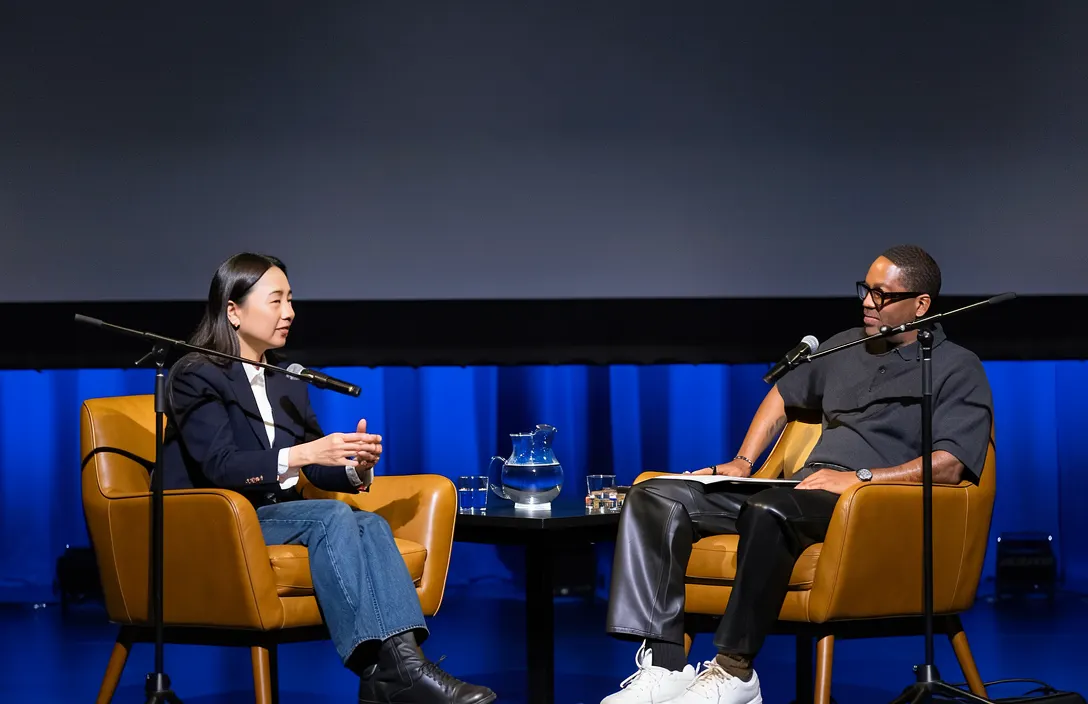

Min Jin Lee, the author of three novels, including the critically acclaimed 'Pachinko,' has published her third novel, 'American Hagwon,' in the fall of 2026. This novel, like her previous works, centers on the Korean diaspora, tracing the journey of the Koh family from Seoul to Sydney and Southern California (source 1). The book has been described as both intimate and epic, exploring themes of resilience and the cost of ambition (source 1). [1]
In her own words, Lee called 'American Hagwon' the novel she has most wanted to share with her readers, emphasizing its exploration of how to live, struggle better, and flourish when the odds feel against us (source 1). The writing process for Lee is born from personal inquiry, with metaphysical questions preceding the emergence of the story (source 1). [1]
Lee's work often delves into the relationship between place and identity, as well as the impact of choices across generations. She is recognized as one of the greatest writers of the diaspora and family narratives (source 1). Lee was joined in conversation by Mitchell S. Jackson, a Pulitzer Prize-winning writer and Oregon native, who has authored several acclaimed works including the novel 'The Residue Years' and the memoir 'Survival Math' (source 1). [1]
Min Jin Lee's third novel, 'American Hagwon,' was published in the fall of 2026 and follows the Koh family's journey from Seoul to Sydney and Southern California (source 1). The novel is described as a meditation on resilience and the cost of ambition, reflecting Lee's ongoing exploration of the Korean diaspora. In her own words, Lee called 'American Hagwon' the novel she has most wanted to share with her readers, emphasizing its exploration of how to live, struggle better, and flourish when the odds feel against us (source 1). [1]
Advertisement
Lee's work often delves into the relationship between place and identity, as well as the impact of choices across generations (source 1). The writing process for Lee is born in personal inquiry, with metaphysical questions coming first and the story emerging organically from these questions (source 1). Her novels, including 'Pachinko,' have been critically acclaimed and have received numerous awards and recognitions, including being named a best book of the year by more than 75 different media outlets (source 1). [1]
Lee's third novel, 'American Hagwon,' continues the themes present in her previous works, focusing on the Korean diaspora and the interplay between individual and collective struggles (source 1). The novel has been praised for its subtlety and emotional depth, with Elif Shafak describing it as 'as subtle as it is sweeping, as dazzlingly intelligent as it is emotionally breathtaking' (source 1). Lee's work remains a significant contribution to literature, exploring the complexities of identity and the enduring impact of choices across generations (source 1). [1]
Min Jin Lee, the author of three novels, including the critically acclaimed 'Pachinko,' has published her third novel, 'American Hagwon,' in the fall of 2026 (source 1). In her own words, Lee called 'American Hagwon' the novel she has most wanted to share with her readers, emphasizing its exploration of how to live, struggle better, and flourish when the odds feel against us (source 1). This novel marks a significant continuation of Lee's literary journey, which has been characterized by deep explorations of identity and diaspora. [1]
Lee's third novel, 'American Hagwon,' follows the Koh family's journey from Seoul to Sydney and Southern California (source 1). This narrative, like her previous works, continues to focus on the Korean diaspora and the interplay between individual and collective struggles (source 1). Lee's work often delves into the relationship between place and identity, as well as the impact of choices across generations (source 1). The novel is described as both intimate and epic, a meditation on the nature of resilience and the cost of ambition (source 1). [1]
Advertisement
For Lee, the writing process is born in personal inquiry, with the metaphysical questions always coming first, and the story emerging organically from these questions (source 1). Across her work, she explores how the choices we make echo across continents and over generations (source 1). For her characters, the struggle for meaning and security is not just an individual endeavor but part of living in a lineage (source 1). Lee remains one of the greatest writers of the diaspora and the family (source 1). [1]
Min Jin Lee, the author of three novels, including the critically acclaimed 'Pachinko,' has published her third novel, 'American Hagwon,' in the fall of 2026 (source 1). In her own words, Lee called 'American Hagwon' the novel she has most wanted to share with her readers, emphasizing its exploration of how to live, struggle better, and flourish when the odds feel against us (source 1). This novel continues the themes present in her previous works, focusing on the Korean diaspora and the interplay between individual and collective struggles (source 1). [1]
Lee's third novel, 'American Hagwon,' follows the Koh family's journey from Seoul to Sydney and Southern California (source 1). Across her work, she explores the relationship between place and identity, how the choices we make echo across continents, and over generations (source 1). For her characters, the struggle for meaning and security is not just an individual endeavor, but part of living in a lineage (source 1). [1]
For Lee, the writing process is born in personal inquiry, with the metaphysical questions always coming first, and the story emerging organically from these questions (source 1). Lee's work often delves into the relationship between place and identity, as well as the impact of choices across generations (source 1). She remains one of our greatest writers of the diaspora and one of our greatest writers of the family (source 1). [1]
Advertisement
The Cali Reporter newsletter
The stories worth your time.
California, the country, and what comes next. Join our free newsletter for reporting that keeps you informed.
More in West Coast
- COP31 Collapse Highlights Climate Negotiation Challenges
The collapse of COP31, the U.N. climate talks in Turkey, has underscored the difficulties in achieving global consensus on climate action, with experts emphasizing the need for reform and individual efforts moving…
- ScienceWorks Museum to Transition to Community Science Center
ScienceWorks Hands-On Museum in Ashland, Oregon, is pausing most activities and transitioning to a community science center with new resources for all ages, according to a report by Jefferson Public Radio.
- Seniors Embrace Tesla's Automated Driving Despite Safety Concerns
A growing number of older drivers are using Tesla's Full-Self Driving (Supervised) technology to maintain their independence, despite warnings from safety experts about potential risks.