Mideast Nations Push to Avert War Amid Escalating Tensions
American allies in the Middle East are intensifying diplomatic efforts to prevent a resumption of all-out war as tensions with Iran continue to rise.

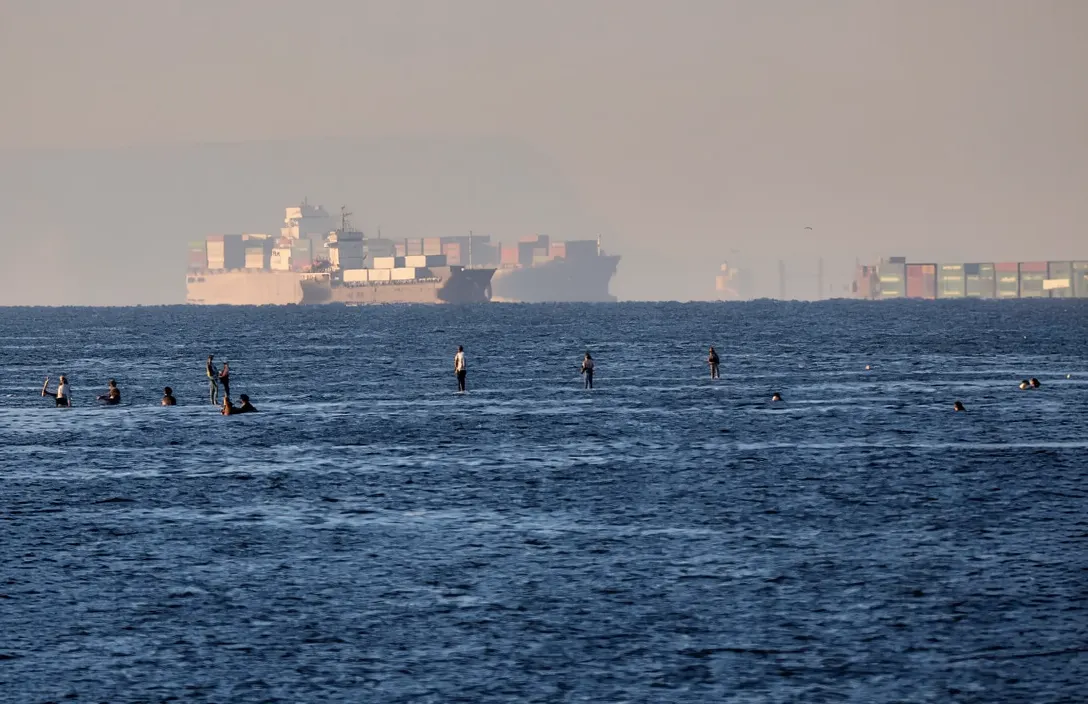

American allies in the Middle East have accelerated efforts to prevent a resumption of all-out war as pressure grows from Israeli Prime Minister Benjamin Netanyahu for the Trump administration to launch a joint air campaign on Iran, regional officials say (source ID: 1). Government and security officials from the Persian Gulf countries, as well as Pakistan and Turkey, have engaged in concerted diplomacy, including phone calls with senior U.S. officials, in a bid to avert renewed war in the region. That is according to four regional officials briefed on the matter who spoke on the condition of anonymity because they were not authorized to comment publicly (source ID: 1). [1]
The campaign comes as Iran widened its attacks on its Gulf neighbors Wednesday, targeting a U.S. air base in Kuwait and launching several attacks on Bahrain in what appeared to be retaliation for an American strike the day before (source ID: 1). It had been about two months since Tehran had ordered such attacks targeting U.S. facilities in Bahrain, which hosts the U.S. Navy’s 5th Fleet (source ID: 1). Allies worry that renewed war would be even more devastating (source ID: 1). [1]
The goal of the diplomatic push is to counter Netanyahu’s efforts for the U.S. to restart the war or allow Israel to launch airstrikes on Iran’s nuclear facilities and missile capabilities, the officials said (source ID: 1). American allies in the region have been concerned that a recent visit to the U.S. by Israel’s Mossad chief, Roman Gofman, would tilt Trump’s thinking in favor of restarting the war, they said (source ID: 1). [1]
American allies in the Middle East have accelerated efforts to prevent a resumption of all-out war as pressure grows from Israeli Prime Minister Benjamin Netanyahu for the Trump administration to launch a joint air campaign on Iran, regional officials say (source ID: 1). Government and security officials from the Persian Gulf countries, as well as Pakistan and Turkey, have engaged in concerted diplomacy, including phone calls with senior U.S. officials, in a bid to avert renewed war in the region. That is according to four regional officials briefed on the matter who spoke on the condition of anonymity because they were not authorized to comment publicly. The campaign comes as Iran widened its attacks on its Gulf neighbors Wednesday, targeting a U.S. air base in Kuwait and launching several attacks on Bahrain in what appeared to be retaliation for an American strike the day before. [1]
Advertisement
Allies worry that renewed war would be even more devastating. The goal of the diplomatic push is to counter Netanyahu’s efforts for the U.S. to restart the war or allow Israel to launch airstrikes on Iran’s nuclear facilities and missile capabilities, the officials said. American allies in the region have been concerned that a recent visit to the U.S. by Israel’s Mossad chief, Roman Gofman, would tilt Trump’s thinking in favor of restarting the war, they said. Gofman, who is close to Netanyahu, met with CIA Director John Ratcliffe in Washington before traveling to Miami for a meeting with U.S. envoy Steve Witkoff, according to two of the regional officials. [1]
Iran’s Arab neighbors have become increasingly concerned that any new round of fighting would be more devastating than before. The regional officials believe that Iran and its allies would retaliate, focusing not only on U.S. military facilities but also on other infrastructure, including oil facilities, power and desalination plants, and undersea cables that are essential for financial interactions and communications between the region and the rest of the world. They also are concerned that a new round of strikes would prompt Yemen’s Iranian-backed Houthi rebels to disrupt traffic through the Bab el-Mandeb Strait, a vital shipping route that connects the Red Sea with the Gulf of Aden. [1]
American allies in the Middle East have accelerated efforts to prevent a resumption of all-out war as pressure grows from Israeli Prime Minister Benjamin Netanyahu for the Trump administration to launch a joint air campaign on Iran, regional officials say (source ID: 1). Government and security officials from the Persian Gulf countries, as well as Pakistan and Turkey, have engaged in concerted diplomacy, including phone calls with senior U.S. officials, in a bid to avert renewed war in the region. That is according to four regional officials briefed on the matter who spoke on the condition of anonymity because they were not authorized to comment publicly. [1]
The campaign comes as Iran widened its attacks on its Gulf neighbors Wednesday, targeting a U.S. air base in Kuwait and launching several attacks on Bahrain in what appeared to be retaliation for an American strike the day before. It had been about two months since Tehran had ordered such attacks targeting U.S. facilities in Bahrain, which hosts the U.S. Navy’s 5th Fleet. Allies worry that renewed war would be even more devastating. The goal of the diplomatic push is to counter Netanyahu’s efforts for the U.S. to restart the war or allow Israel to launch airstrikes on Iran’s nuclear facilities and missile capabilities, the officials said. [1]
Advertisement
Iran’s Arab neighbors have become increasingly concerned that any new round of fighting would be more devastating than before. The regional officials believe that Iran and its allies would retaliate, focusing not only on U.S. military facilities but also on other infrastructure, including oil facilities, power and desalination plants, and undersea cables that are essential for financial interactions and communications between the region and the rest of the world. [1]
American allies in the Middle East have accelerated efforts to prevent a resumption of all-out war as pressure grows from Israeli Prime Minister Benjamin Netanyahu for the Trump administration to launch a joint air campaign on Iran, regional officials say (source ID: 1). Government and security officials from the Persian Gulf countries, as well as Pakistan and Turkey, have engaged in concerted diplomacy, including phone calls with senior U.S. officials, in a bid to avert renewed war in the region. That is according to four regional officials briefed on the matter who spoke on the condition of anonymity because they were not authorized to comment publicly. [1]
The campaign comes as Iran widened its attacks on its Gulf neighbors Wednesday, targeting a U.S. air base in Kuwait and launching several attacks on Bahrain in what appeared to be retaliation for an American strike the day before. It had been about two months since Tehran had ordered such attacks targeting U.S. facilities in Bahrain, which hosts the U.S. Navy’s 5th Fleet. Allies worry that renewed war would be even more devastating. The goal of the diplomatic push is to counter Netanyahu’s efforts for the U.S. to restart the war or allow Israel to launch airstrikes on Iran’s nuclear facilities and missile capabilities, the officials said. [1]
Iran’s Arab neighbors have become increasingly concerned that any new round of fighting would be more devastating than before. The regional officials believe that Iran and its allies would retaliate, focusing not only on U.S. military facilities but also on other infrastructure, including oil facilities, power and desalination plants, and undersea cables that are essential for financial interactions and communications between the region and the rest of the world. They also are concerned that a new round of strikes would prompt Yemen’s Iranian-backed Houthi rebels to disrupt traffic through the Bab el-Mandeb Strait, a vital shipping route that connects the Red Sea with the Gulf of Aden. [1]
Advertisement
The Cali Reporter newsletter
The stories worth your time.
California, the country, and what comes next. Join our free newsletter for reporting that keeps you informed.
More in West Coast
- COP31 Collapse Highlights Climate Negotiation Challenges
The collapse of COP31, the U.N. climate talks in Turkey, has underscored the difficulties in achieving global consensus on climate action, with experts emphasizing the need for reform and individual efforts moving…
- ScienceWorks Museum to Transition to Community Science Center
ScienceWorks Hands-On Museum in Ashland, Oregon, is pausing most activities and transitioning to a community science center with new resources for all ages, according to a report by Jefferson Public Radio.
- Seniors Embrace Tesla's Automated Driving Despite Safety Concerns
A growing number of older drivers are using Tesla's Full-Self Driving (Supervised) technology to maintain their independence, despite warnings from safety experts about potential risks.