

Meta’s Mark Zuckerberg Rejects AI Slowdown Calls: Here’s What It Means for Your Next Smartphone Feature
The CEO of Meta says you can stop worrying about robot apocalypse while you watch your bank account balance.

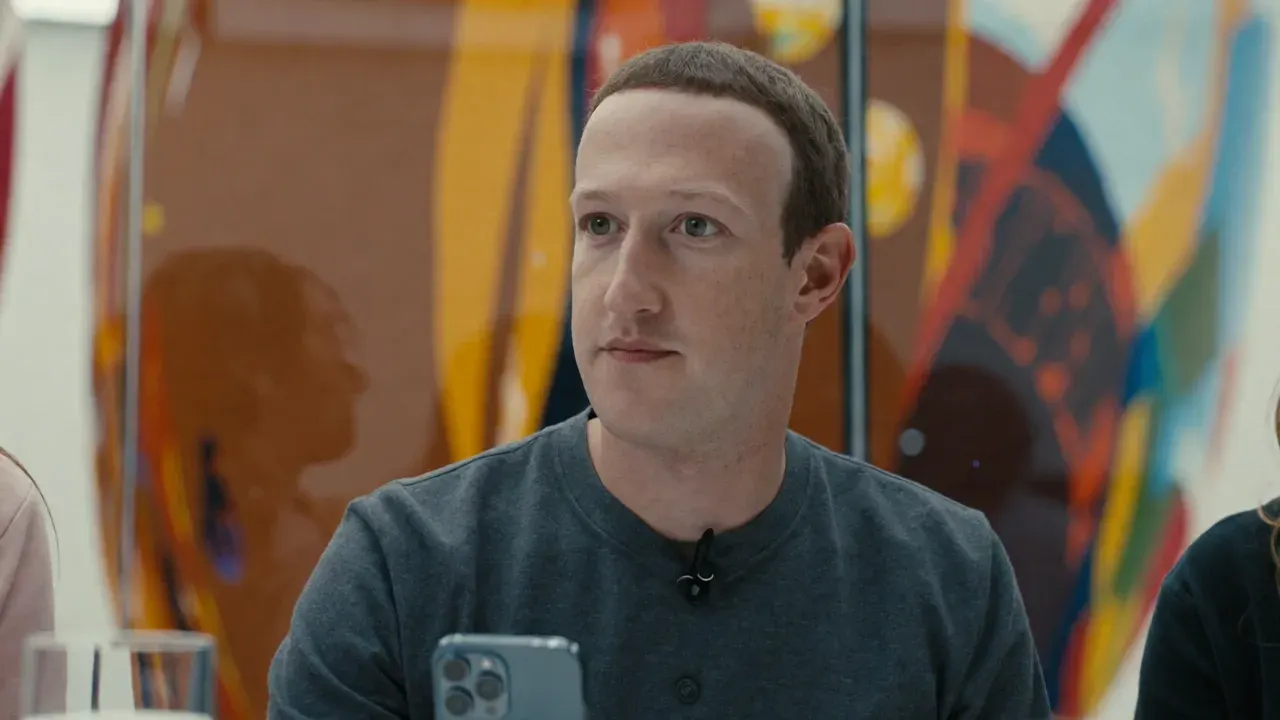
Here is the skinny on what is happening in the world of artificial intelligence and why it might not cost you your sanity. Mark Zuckerberg recently sat down with NBC News to discuss the future of tech, and he is pushing back hard against the idea that the entire industry needs to hit the brakes. We are seeing a massive split in the tech world right now between the doomsayers and the builders. Zuckerberg argues that the race is on, and pausing it is not only unnecessary but bad for business. He believes that if you make a product that actually helps people, they will use it. If a product is unsafe or just annoying, people will delete it. That is the simple math of the market.
The debate over slowing down artificial intelligence has moved from chat rooms to the highest levels of government recently. Anthropic CEO Dario Amodei released an essay calling for intercompany efforts to "pace the frontier" of AI development. OpenAI CEO Sam Altman quickly endorsed this idea, as did Google DeepMind co-founder Demis Hassabis and xAI's Elon Musk. These leaders took their concerns to the United Nations Security Council, making the case that slowing the rate of progress gives humans more time to develop safety measures. This is a big deal because it suggests a coordinated effort to control how fast this technology evolves. However, Zuckerberg thinks this cooperation is overkill.
Those worries have hit a fever pitch following the resignation of former Anthropic researcher Jacob Coxon. Coxon left his post because he feared AI systems could spiral out of control in the next few years, potentially leading to human extinction. His departure sparked a wave of concern about the risks of advanced systems. Critics have also suggested that calls for a slowdown could be a "Trojan horse" that allows big companies to regulate the industry and shut out smaller competitors. Zuckerberg has made it clear he does not view this as a race to the bottom but rather a race to the top. He believes that there is plenty of commercial incentive to get this right without needing a referee.

"I don't think that we need some kind of industrywide coordination," Zuckerberg said. "I think that each lab needs to take the time, and when it sees that there are issues, you just take the time that you need internally to basically make sure that you're proceeding safely." This is the practical side of the argument. He argues that if a specific AI model is glitchy or dangerous, the market will punish the company responsible. You do not need a global summit to tell a CEO that a buggy product is bad for business.
To prove his point, Zuckerberg showed off what Meta is actually building right now. The company has released a new AI agent called Muse. This is not just a chatbot that tells you jokes. Muse is designed to perform actions on your behalf. You can tell it to book plane tickets, reply to emails, compile research briefs, or even cancel those magazine subscriptions you never read anymore. It is a practical tool aimed at making your life easier. Since its release on Sept. 8, it has quickly become the most popular free offering on both the Apple App and Google Play stores. This massive popularity suggests that consumers are hungry for this kind of utility, not safety pauses.
One of the biggest fears surrounding these autonomous agents is privacy. When you give an AI access to your email and bank accounts, you are trusting it with sensitive data. Meta addresses this with a system called Sentinel. Think of Sentinel as a bouncer standing guard over your main agent, Muse. Sentinel is designed to oversee and police the actions of the main agent. If Muse tries to do something outside of its specific instructions or if it seems like it might be about to share your private information, Sentinel will step in. It alerts the user and asks for permission before taking any further steps. The goal is to ensure the AI agent is trained from the ground up to understand what information is safe to share and what is not.
Zuckerberg points to the company's track record to ease these privacy concerns. "We’ve shown that we have the ability to build those kinds of world-class, leading security systems," he said. He specifically mentioned that Meta worked with a field-leading cryptographer behind the popular anonymous Signal messaging app to develop its own secure technology. This is a strong selling point because Signal has built a reputation for privacy. Zuckerberg believes that users can feel very good about trusting Meta with their data for this specific purpose.
There is a stark contrast between the rhetoric of doom and the practical reality Zuckerberg is building. While some researchers warn that AI could cause human extinction within a few years, Zuckerberg highlighted how personalized AI systems could revolutionize human life. He even referenced an August essay he wrote about the dawn of personalized superintelligence. "There’s a lot of rhetoric that is filled with doom," Zuckerberg said. "I’m quite optimistic about the fact that this is going to be a very positive future for everyone." His optimism is grounded in the belief that if you align the technology with what people actually want, the result will be positive.
He gave a concrete example of this alignment during the interview. Zuckerberg said his own Muse agent helped give feedback on his mixed martial arts performance by connecting to cameras watching over his workout area. The agent connected the camera feed to his brain data to provide coaching. This is a far cry from the apocalyptic scenarios often discussed in tech circles. Instead of worrying about machines taking over, the focus is on making sure systems understand users' desires and intents.
The landscape is becoming crowded with other players entering the autonomous agent space. Several other companies have released their own AI agents since the first widespread consumer-facing agent, OpenClaw, burst onto the scene in November. Amazon and Nvidia have also joined the fray, adding their own capabilities to the mix. This competition is good for the consumer, as it drives innovation and usually leads to better features. Zuckerberg believes that customers will naturally flock to the products that serve their purposes best. If an unsafe or unwieldy product scares away potential users, the developers will have to fix it.
So, what is the takeaway for the average person? You do not need to panic about a coordinated industry slowdown or distant threats of human annihilation. The battle is happening on your phone screen right now. The companies that can build the most useful and safe agents will win. You should keep an eye on how these agents handle your personal data and whether they actually save you time or just waste it. The future of AI is not about stopping progress. It is about building tools that make life easier, safer, and more efficient.
First reported by r/artificial.
More in Business
- IMF Chief Warns of Economic Divergence and Debt Risks Amid Artificial Intelligence Boom
Kristalina Georgieva suggests that while AI could significantly boost global growth, it simultaneously threatens to widen inequality and exacerbate inflationary pressures and public debt burdens.
- California Limits Utility Profits and Expands Home Energy Role
Gov. Gavin Newsom signed laws capping utility returns on lower-risk projects and accelerating virtual power plant development.
- Lyft to Pay $272.5 Million in Record California Wage-Theft Settlement
Largest such settlement in state history resolves claims that Lyft misclassified drivers as independent contractors from 2016 to 2020, denying them core wage protections.