Medicaid Expansion for Native American Traditional Healing Practices
The Trump administration has approved Medicaid waivers for two states to expand coverage of Native American traditional healing practices, despite ongoing debates about the sustainability of such programs and the…
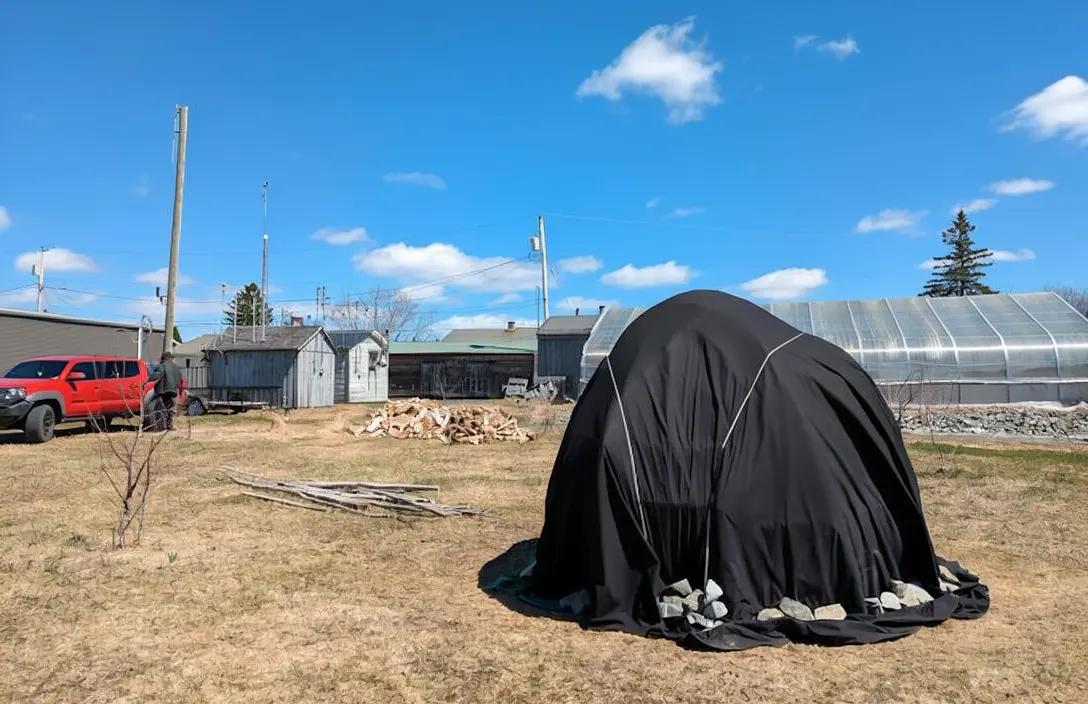
The Trump administration has approved Medicaid waivers for Native American traditional healing practices in Utah and Maine, expanding access to culturally relevant healthcare services. This move increases the number of states with such waivers to six, including Arizona, California, New Mexico, and Oregon. The waivers allow states to pay for traditional healing practices that are not typically covered under Medicaid, such as sweat lodge ceremonies and community events like canoe journeys (Sierra Sun Times, 2026). [1]
In California, a Medicaid waiver that provides federal funding for traditional healing programs is set to expire at the end of December. The state's renewal application was pending with the Centers for Medicare & Medicaid Services (CMS) as of early November. The waiver covers various health programs, including those for homeless individuals, people leaving jail, and children with complex medical needs (Sierra Sun Times, 2026). [1]
Approximately 87% of American Indians and Alaska Natives live outside of tribal statistical areas, highlighting the need for healthcare access in urban settings. Federally recognized tribes receive health and educational assistance through the Indian Health Service (IHS), which provides comprehensive health services to approximately 2.6 million American Indians and Alaska Natives (minorityhealth.hhs.gov, 2022). [2]
Urban Indian health organizations play a vital role in providing healthcare services to Native Americans living off-reservation. These organizations have historically received a minuscule amount of federal funding compared to other tribal health providers. Efforts to secure full reimbursement rates for these organizations continue, though the process is lengthy and challenging (Sierra Sun Times, 2026). [1]
Advertisement
As of 2022, there are 574 federally recognized American Indian/Alaska Native (AI/AN) tribes, with 324 federally recognized American Indian reservations in the U.S. These reservations are spread across 37 states, and the IHS provides health services to approximately 2.6 million AI/AN individuals belonging to these tribes. The 2020 Census reveals that 87 percent of those who identify as AI/AN alone or in combination live outside of tribal statistical areas, while 13 percent reside on reservations or other trust lands. These reservations often face geographic isolation and limited access to healthcare facilities, contributing to health disparities within the population. [2]
The Indian Health Service (IHS) operates 41 urban Indian health organizations across the United States to address the unique health needs of urban AI/AN populations. These organizations offer a wide range of services, including medical, dental, mental health, and nutrition counseling. Despite these efforts, urban AI/AN populations typically have less accessibility to hospitals, health clinics, or contract health services compared to those living on reservations. In 2019, 70 percent of AI/AN individuals lived in urban areas, where they are eligible to use these urban health programs, but disparities in health outcomes persist due to cultural and socioeconomic factors. [2]
In 2019, the tuberculosis rate among AI/AN populations was nearly seven times higher than that of the white population, with an incidence rate of 3.4 for AI/AN compared to 0.5 for non-Hispanic whites. This significant disparity is one of the many health challenges faced by the AI/AN population, which also includes high rates of diabetes, heart disease, and unintentional injuries. Cultural barriers, geographic isolation, and low income further compound these health issues, limiting access to quality medical care for many AI/AN individuals. [2]
In 2020, the American Indian/Alaska Native (AI/AN) population was estimated at 9.7 million, with 3.7 million identifying as AI/AN alone and 5.9 million identifying as AI/AN in combination with another race group. As of 2022, there are 574 federally recognized AI/AN tribes, along with numerous state-recognized and non-recognized tribes. These tribes are spread across 37 states, and the majority of the AI/AN population resides in urban areas, with 70% living outside of tribal statistical areas. The 2020 Census revealed that 87% of AI/AN individuals live outside of reservations or other trust lands, while 13% reside on these lands. The largest AI/AN populations are found in Arizona, California, Oklahoma, New Mexico, Texas, North Carolina, Alaska, Washington, South Dakota, and New York, according to 2019 data. [2]
Advertisement
The Indian Health Service (IHS) provides health care to approximately 2.6 million AI/AN individuals who belong to federally recognized tribes. Since 1972, the IHS has expanded its reach by funding 41 urban Indian health organizations, offering medical, dental, mental health, and other essential services to urban AI/AN populations. These programs operate across the United States and are designed to address the challenges faced by urban AI/AN individuals, who often have limited access to health care facilities. In 2019, 70% of AI/AN individuals lived in urban areas and were eligible to use these services, but studies have shown that they frequently encounter barriers such as geographic isolation, cultural differences, and low income that hinder access to quality medical care. [2]
In 2019, the median household income for AI/AN individuals was $49,906, significantly lower than the $71,664 median income for non-Hispanic white households. Additionally, 20.3% of AI/AN individuals lived below the poverty level, compared to 9.0% of non-Hispanic whites. The unemployment rate for AI/AN individuals was 7.9%, higher than the 3.7% rate for non-Hispanic whites. Health disparities also persist, with a life expectancy at birth of 78.4 years for AI/AN individuals, lower than the 80.6 years for non-Hispanic whites. Notably, the tuberculosis rate for AI/AN individuals was 7 times higher than for the white population, with an incidence rate of 3.4 per 100,000, compared to 0.5 per 100,000 for whites. [2]
Sources
Prepared with AI assistance from the cited sources.
The Cali Reporter newsletter
The stories worth your time.
California, the country, and what comes next. Join our free newsletter for reporting that keeps you informed.
More in California
- Survivors Support Governor Newsom's Commutation of Death Sentences
Survivors of violent crime in California have expressed support for Governor Gavin Newsom's decision to commute all death sentences, emphasizing the need for healing and resources over state-sanctioned killing.
- Caltrans Announces Winter Closure of Mountain Passes
Caltrans has officially closed several mountain passes in California due to recent snowfall and adverse weather conditions, ensuring the safety of drivers and maintenance crews.
- Documentary Explores Indigenous History of California
A new documentary series, 'People of the West,' delves into the history of California's Indigenous communities through Native voices and perspectives, highlighting overlooked aspects of their past and ongoing struggles…