

Macron Denies CIA Warning as France Prepares Military Deployment to Saudi Arabia
Procedural update on intelligence denial and Red Sea security pledge.
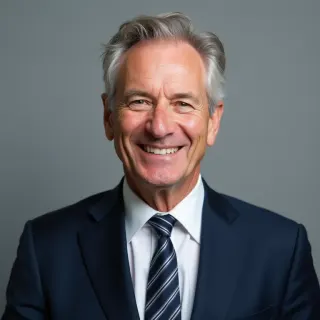

The procedural vote on the CIA warning has officially failed. President Emmanuel Macron has moved to clear the record regarding intelligence suggesting a Russian drone operation against southern Europe. He addressed the media in a joint interview on France 2 and TF1. In this session, the President expressed certainty that the warning never reached the French table. He stated, "We can deny this piece of information." He also noted that Italian Defense Minister Guido Crosetto concurred with this assessment. The denial comes shortly after El Mundo published their report. The Spanish daily claimed the CIA alerted several nations to potential threats. Crosetto responded on X. He dismissed the hypothesis as serving no one and lacking confirmation. He argued the current times are "nervous" enough without adding more fuel to the fire. The political calculus here is clear. The leadership wants to control the narrative regarding perceived threats without triggering unnecessary panic. This narrative shift is critical as the administration looks toward their next major legislative package.
The next major item on the agenda is the security pledge regarding the Red Sea. This involves sending military assets to the Yanbu site. Yanbu is a critical node in the energy infrastructure network. It hosts the East-West pipeline and vital oil storage and refining facilities. The President detailed exactly what these assets entail. He described them as troops, radar systems, and defensive systems. The stated objective is to protect the site and help stabilize the oil market. The administration insists France will not be engaging in direct conflict. The President emphasized, "Our aim is to help stabilise the oil market." The stakes here are incredibly high for the European economy. The pipeline is a lifeline. It allows Saudi Arabia to bypass the Strait of Hormuz entirely. It can transport 5 million barrels of crude oil per day. During peak operations, capacity can jump to 7 million barrels. The Houlti forces in Yemen, backed by Iran, view this location as a target. Given the volatility in the Middle East, protecting this route is a priority for European energy security. The connection to domestic voters is immediate. The President noted, "As soon as one of these locations is relaxed, the immediate impact is seen at the gas pump." He predicted the effect would be visible in "two days." This timing suggests a tight correlation between global logistics and consumer prices.
However, the opposition in the chamber has raised a procedural objection regarding this deployment. Jean-Luc Mélenchon, the leader of France Unbowed, seeks a parliamentary vote. He frames the proposed deployment as entering a theater of war. His concern is liability. He asked, "If the base is attacked, what will we do?" He is hesitant to see France become a belligerent party without a clear mandate. This creates a division within the political landscape over foreign intervention. The administration must balance the need for stability with the desire to avoid direct involvement in the conflict. They must argue that defensive systems and radar are not combat troops, though Mélenchon views the distinction as thin in a theater of war.

Finally, the administration is looking at the long-term threat assessment from Russia. President Macron addressed the hybrid campaign Russia wages against Europe. He pointed specifically to the drone attack on Leipzig/Halle Airport. This occurred on the night of August 4 to 5 in 2026. German authorities have attributed this strike to Russia. Macron stated France had not experienced a comparable attack yet. However, he believes the threat remains "plausible." When asked if an attack could happen, he answered "yes." The President believes Russia views Europe as the "strategic heart of Ukraine." This strategic view leads to the conclusion that Moscow is preparing for a campaign against European soil. Macron cited several signs indicating this preparation. He also discussed the manpower aspect. He viewed a new mobilization of 300,000 personnel as a "credible scenario." This figure is often shared among intelligence officials. He estimated that reaching the Donbas would require Russia to advance for "a year and a half, two years." This timeline assumes the current pace of operations. The President concluded that this process would result in "terrible losses and suffering for Ukraine." The military assets being sent to Yanbu are likely part of a broader strategy to deter such hybrid threats and secure energy supplies.
First reported by r/geopolitics.
More in National
- HBO's 'War' Offers Classy-Trashy Divorce Drama with West and Miller
Anthology series debuts with a sharp, well-cast first season centered on a bitter London divorce between two lawyers.
- Putin Claims Baltic Rights Violations But Denies War Plans in Europe
Kremlin leader claims response strategy relies on humanitarian grounds and international law.
- Canadian Potash Giant Drops $500M on Vancouver Port Upgrade to Secure Global Food Supply
The massive investment aims to boost exports to non-U.S. markets.