

Lysosomes identified as key mechanism for clearing hidden bladder bacteria with existing therapy
New EPFL research reveals how a decades-old drug boosts bladder cell defenses against persistent E. coli

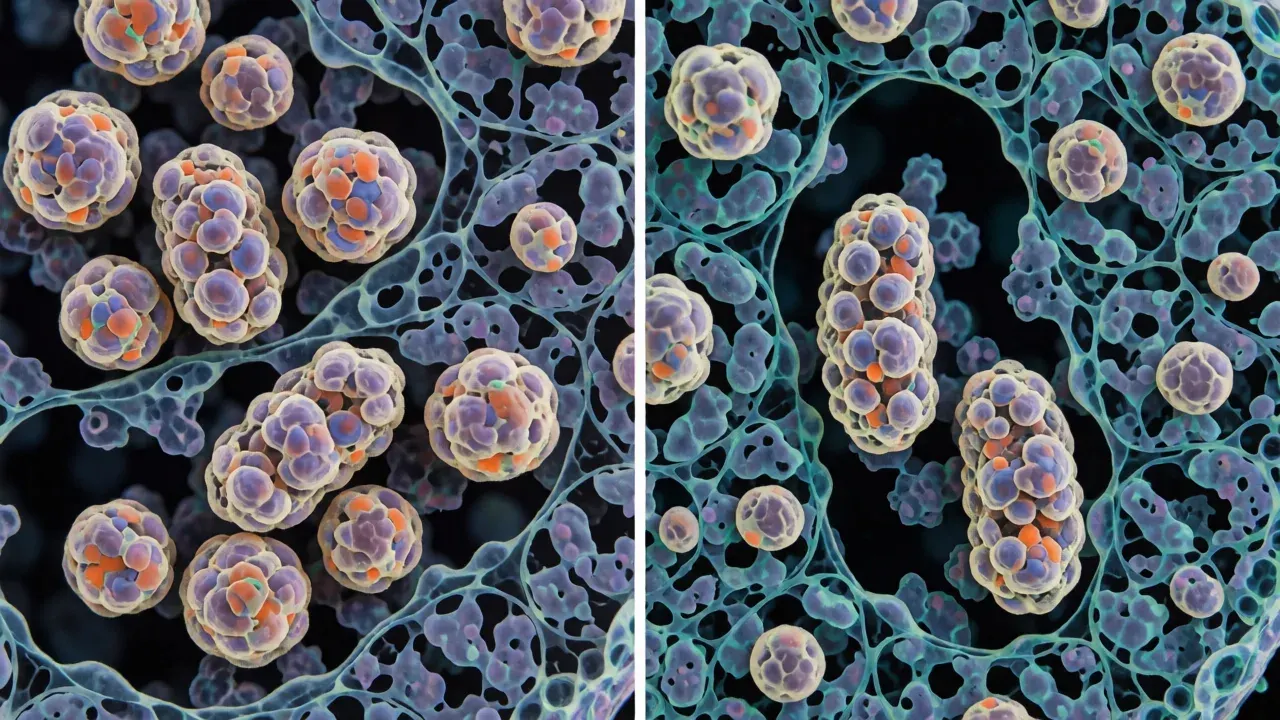
Urinary tract infections represent a pervasive public health challenge affecting millions of individuals across the globe. While these infections are often considered common, they carry significant morbidity, particularly when they become recurrent. The primary culprit behind the majority of these infections is the uropathogenic strain of Escherichia coli, or UPEC. Unlike typical foodborne strains, UPEC has evolved specific mechanisms to adhere to and invade the lining of the urinary tract. Once inside the bladder, these bacteria can breach the epithelial barrier and establish an intracellular reservoir. This hidden state allows the bacteria to evade both the host immune system and the reach of standard antibiotic therapies. Consequently, patients frequently experience a relapse of symptoms even after completing a course of antibiotics. This cycle of infection and treatment can contribute to the development of antibiotic resistance, a growing concern in modern medicine. To address this, researchers have sought to understand how the host environment can be reinforced to prevent these persistent reservoirs.
A recent study led by scientists at the Laboratory of Microbiology and Microtechnology at EPFL, in collaboration with OM Pharma, has illuminated a potential new pathway for treating these stubborn infections. The research team, which included Kathrin Tomasek, John McKinney, Christian Pasquali, and Mario Romani, focused their efforts on a drug known as OM-89. This compound, commercially marketed as Uro-Vaxom, has been utilized for several decades specifically to assist in the prevention of recurrent urinary tract infections. Traditionally, the mechanism of OM-89 was attributed to immunostimulation, where the drug is thought to activate the immune system. However, this study published in PLOS Pathogens uncovers a distinct mechanism of action. The findings suggest that the drug acts directly on the bladder epithelial cells, influencing their internal machinery to destroy hidden bacteria more effectively.
The cellular mechanisms at play in this study center on lysosomes, which are specialized organelles within cells responsible for degradation and recycling. These acidic compartments function as the cell's digestive system, breaking down unwanted materials and foreign pathogens. The researchers observed that treatment with OM-89 significantly increased the acidification of these lysosomes and enhanced the activity of their enzymatic components. This activation is critical for the clearance of intracellular material. To confirm this mechanism, the team utilized organoid models and differentiated cell cultures derived from both mouse and human bladder tissue. They exposed these cell models to OM-89 and then infected them with various strains of UPEC. The results demonstrated that the bacteria were more efficiently eliminated when lysosomal activity was heightened. Furthermore, when the researchers artificially blocked the acidification of lysosomes, the protective effect of OM-89 was lost. This control experiment confirmed that lysosomal activation is a direct requirement for the drug's ability to reduce bacterial regrowth.

Another critical finding from this work involves the pharmacokinetics of antibiotics within these cells. The study indicates that OM-89 facilitates the accumulation of antibiotics inside bladder epithelial cells. This effect was observed across different classes of antibiotics and multiple bacterial strains, including those isolated from clinical patient samples. When OM-89 was administered in conjunction with antibiotics, there was a marked increase in bacterial killing. Additionally, the persistence of bacteria after the discontinuation of antibiotic treatment was reduced. This synergy suggests that OM-89 does not merely stimulate the immune system but also acts as a facilitator, helping existing antibiotics reach their intracellular targets more effectively. The study also notes that this protective effect extends to different antibiotic classes, broadening the potential utility of this approach in clinical settings. The researchers utilized independent human bladder datasets to analyze links between lysosomal activity and immune or antibacterial pathways, further strengthening the relevance of these findings to human physiology.
From a clinical and public health perspective, these results offer a promising shift in strategy known as host-directed therapy. Rather than solely targeting the pathogen with antimicrobial agents, this approach aims to bolster the intrinsic defenses of the host tissue. By enhancing the cellular machinery responsible for degrading bacteria, we may reduce the need for aggressive antibiotic regimens. This could potentially lower the selection pressure that drives the development of antibiotic resistance. The lead researcher, Kathrin Tomasek, emphasized this dual action, stating that OM-89 acts directly on bladder cells to strengthen degradation pathways. This direct cellular interaction helps antibiotics reach hidden bacteria, thereby reducing regrowth. Senior Scientific Liaison Director at OM Pharma, Christian Pasquali, provided context regarding the translational potential of these findings. He noted that while the data comes from preclinical models and does not yet change the approved indication for Uro-Vaxom, it significantly deepens our understanding of how the drug may support the bladder's natural defenses against recurrent infection. The identification of lysosomal pathways in the bladder epithelium as a target for future therapeutic combinations marks a significant step forward in managing complex infections. The study highlights a novel approach to treating recurrent urinary tract infections by addressing the root cause of persistence rather than just the symptoms.
First reported by Medical Xpress.
More in Health & Nutrition
- Long-term opioid use fails to alleviate chronic back pain, Northwestern University study suggests
Researchers identified distinct brain activity patterns and molecular markers that may guide future treatments for pain management and opioid tapering.
- Human tau seeds trigger disease-specific shapes in mouse brains, new study finds
Study in Nature shows that injectable human tau aggregates from Alzheimer’s and corticobasal degeneration template their 3D folds onto mouse tau, supporting the prion-like seeding model.
- Menopause Largely Missing from Electronic Health Records Despite Its Health Impact
study of nearly 240,000 women finds only 12% of electronic records include menopause status, even though over half reported being in transition.