Leonid Meteor Shower Peaks in November 2026
The Leonid meteor shower is set to peak on the night of November 17-18, 2026, offering a chance to witness fast-moving meteors as Earth passes through the dust trail of Comet Tempel-Tuttle.

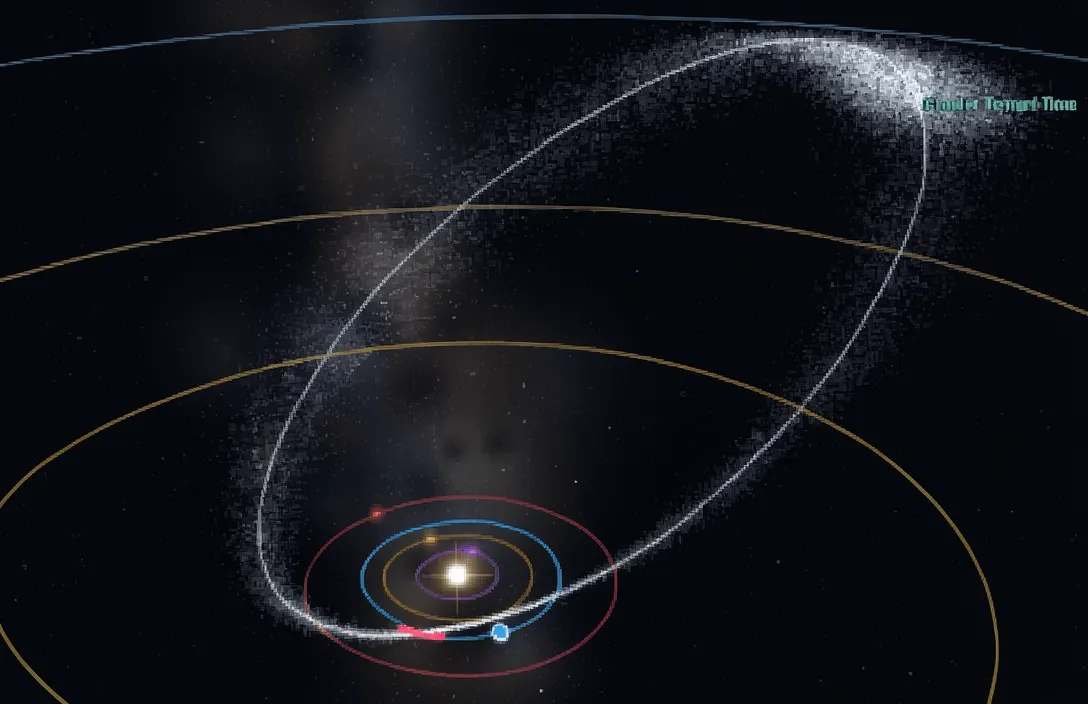

The Leonid meteor shower, known for its fast-moving meteors, is expected to peak on the night between November 17 and 18, 2026, as Earth crosses the dust trail of Comet Tempel-Tuttle (source ID: 1). These meteors, traveling at about 71 km (44 miles) per second, burn up in Earth's atmosphere, creating bright streaks that can leave glowing trails in the sky. The shower is named after the constellation Leo, from which the meteors appear to originate, and is known for producing fireballs and Earth-grazers, meteors that skim the upper atmosphere and leave long trails near the horizon. [1]
The Leonid meteor shower occurs annually when Earth passes through the debris left by Comet Tempel-Tuttle, which orbits the sun every 33 years (source ID: 1). This comet's close approach to the sun in 2031 will likely result in another storm, similar to those observed in 1833, 1966, and more recently in 1999, 2001, and 2002. The International Meteor Organization (IMO) reports that the shower is active from November 6 to November 30, with peak activity expected around 23:45 GMT on November 17, under clear, dark skies. [1]
The best time to observe the Leonid meteor shower is between midnight and dawn, as the constellation Leo rises higher in the sky (source ID: 1). Observers are advised to find a dark location away from city lights and allow their eyes to adjust to the darkness for about 20 minutes. While the Leonids are not the most active meteor shower—peaking at about 15 meteors per hour under ideal conditions—they are notable for their speed and historical significance, including the 1833 storm that helped scientists understand the origin of meteors. [1]
The Leonid meteor shower is formed when Earth passes through the debris trail of Comet Tempel-Tuttle, which orbits the sun every 33 years. This comet sheds dust as it approaches the sun, and when Earth’s orbit intersects this debris trail, the particles—called meteoroids—enter Earth’s atmosphere at high speeds. These meteoroids heat up and glow as they burn up, creating the visible meteors that streak across the sky (source ID: 1). [1]
Advertisement
The Leonid meteor shower is distinguished by its fast-moving meteors, which can travel at approximately 71 kilometers (44 miles) per second. These meteors are often bright and may leave glowing trails in the sky. The shower is named after the constellation Leo, from which the meteors appear to originate. Observers can find the radiant point of the shower in Leo, which rises in the east around midnight (source ID: 1). [1]
The Leonid meteor shower is unique in its potential to produce meteor storms, where thousands of meteors per minute can be observed. Such storms occur when Comet Tempel-Tuttle passes close to the sun, leaving dense debris trails that Earth may intersect. The last major meteor storms from the Leonids were recorded in 1999, 2001, and 2002. The next potential storm is expected in 2031, when the comet will again pass near the sun (source ID: 1). [1]
The Leonid meteor shower is visible from both the Northern and Southern Hemispheres, though conditions are generally more favorable in the north, where the constellation Leo rises higher in the sky. The best time to observe the shower is between midnight and dawn, when Leo is at its highest point. Observers should find a dark location away from city lights and allow their eyes to adjust to the darkness for about 20 minutes (source ID: 1). [1]
The Leonid meteor shower, known for its fast-moving meteors, is expected to peak on the night between November 17 and 18, 2026, as Earth crosses the dust trail of Comet Tempel-Tuttle (source ID: 1). The shower occurs annually when Earth passes through the debris left by Comet Tempel-Tuttle, which orbits the sun every 33 years (source ID: 1). The best time to observe the Leonid meteor shower is between midnight and dawn, as the constellation Leo rises higher in the sky (source ID: 1). [1]
Advertisement
The Leonid meteor shower is formed when Earth passes through the debris trail of Comet Tempel-Tuttle, which orbits the sun every 33 years. The meteors can travel at approximately 71 kilometers (44 miles) per second, making them some of the fastest in the night sky (source ID: 1). The Leonid meteor shower is unique in its potential to produce meteor storms, where thousands of meteors per minute can be observed (source ID: 1). [1]
The Leonid meteor shower is visible from both the Northern and Southern Hemispheres, though conditions are generally more favorable in the north, where the constellation Leo rises higher in the sky (source ID: 1). The International Meteor Organization (IMO) expects up to about 15 meteors an hour at the peak, under clear, dark skies (source ID: 1). [1]
The Leonid meteor shower is expected to peak on the night between November 17 and 18, 2026, as Earth crosses the dust trail of Comet Tempel-Tuttle (source ID: 1). This annual event occurs when Earth passes through the debris left by Comet Tempel-Tuttle, which orbits the sun every 33 years (source ID: 1). The meteors in the Leonid shower are among the fastest in the night sky, traveling at approximately 71 kilometers (44 miles) per second (source ID: 1). [1]
The Leonid meteor shower is visible from both the Northern and Southern Hemispheres, though conditions are generally more favorable in the north, where the constellation Leo rises higher in the sky (source ID: 1). The best time to observe the Leonid meteor shower is between midnight and dawn, as the constellation Leo rises higher in the sky (source ID: 1). The meteor shower is formed when Earth passes through the debris trail of Comet Tempel-Tuttle, which orbits the sun every 33 years (source ID: 1). [1]
Advertisement
The Leonid meteor shower is distinguished by its potential to produce meteor storms, where thousands of meteors per minute can be observed (source ID: 1). The International Meteor Organization (IMO) expects up to about 15 meteors an hour at the peak of the Leonid meteor shower in 2026 (source ID: 1). The Leonids are named after the constellation Leo, the point in the sky from which they appear to come (source ID: 1). [1]
Sources
Prepared with AI assistance from the cited sources.
The Cali Reporter newsletter
The stories worth your time.
California, the country, and what comes next. Join our free newsletter for reporting that keeps you informed.
More in World
- Irish Man Charged with Destroying U.S. Military Aircraft at Shannon Airport
A man from Ireland has been indicted for allegedly destroying a U.S. military aircraft at Shannon Airport, according to prosecutors in New York.
- Trump's APEC Summit and Strategic Meetings
President Donald Trump is set to attend the APEC summit in Shenzhen, China, where he is expected to meet with Chinese President Xi Jinping and participate in a trilateral meeting with Russian President Vladimir Putin,…
- Early Snowfall in Northern England and Scotland
Snowfall occurred in parts of Northern England and southern Scotland, with subsequent melting due to milder temperatures, according to the BBC.