

Kevin O'Leary defends his Utah data center project: 'Think about the number of jobs'
Kevin O'Leary dismisses Utah residents' water fears over his 40,000-acre AI data center by touting jobs, but locals aren't buying the closed-loop sales pitch.
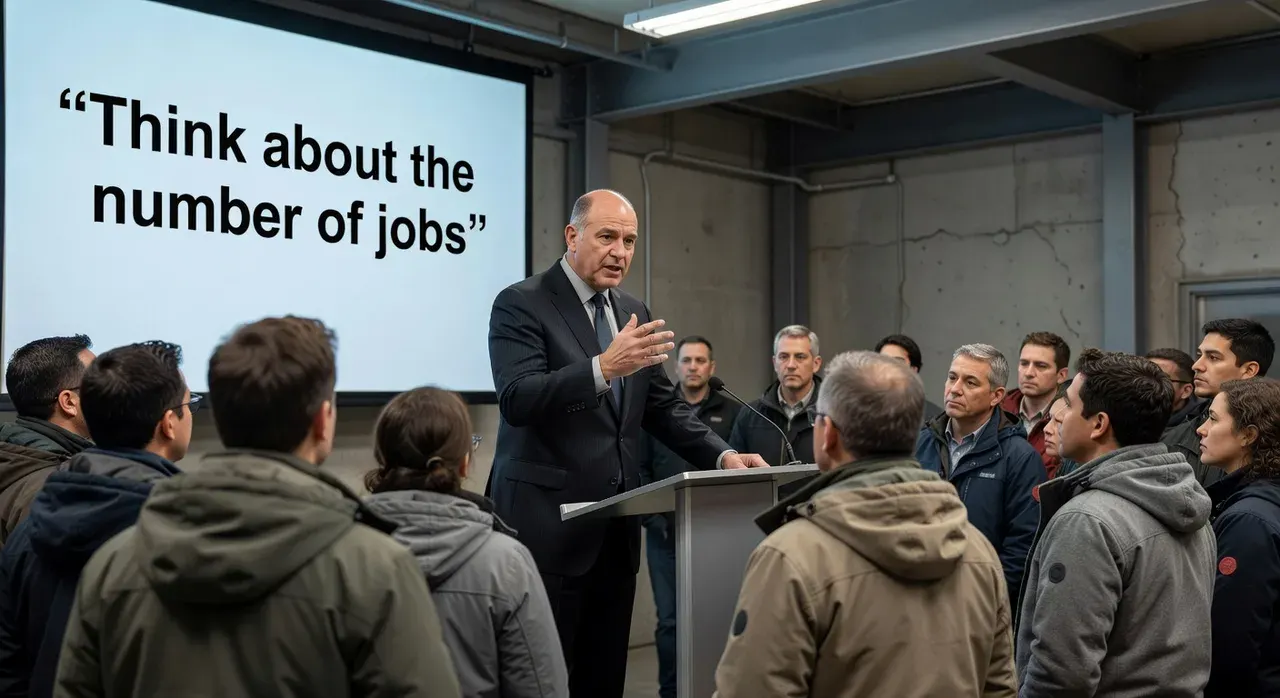
Kevin O'Leary's push for a massive AI data center in Box Elder County, Utah, just cleared county commissioners despite fierce local opposition. The Stratos Project on 40,000 acres promises jobs and transparency, yet residents worry it will drain water from streams feeding the Great Salt Lake, spike utility bills, and erode quality of life.
O'Leary, the Shark Tank investor fresh off playing a villainous businessman in Marty Supreme, took to X to lecture skeptics. "It's understanding the concerns of people, but at the same time, think about the number of jobs," he posted. He cited his University of Waterloo environmental studies degree as proof he gets the worries about water, air, and wildlife, then blamed most criticism on "professional protesters" paid by unnamed parties.
The data center backlash reflects a wider American revolt against AI infrastructure that guzzles millions of gallons of water daily. O'Leary insists older portrayals were unfair and technology has "advanced dramatically." He claims modern facilities use far less water via closed-loop systems that prevent evaporation or air-cooled turbines instead of evaporative cooling. A Box Elder County fact sheet backs him, stating the project won't divert water from the Great Salt Lake, agriculture, or homes, nor raise electricity prices or taxes.

Yet reality on the ground tells another story. An application to divert water from the Salt Wells Spring stream, long used by a local ranch for irrigation near the Great Salt Lake, was pulled after nearly thousands of Utah residents filed complaints, the Salt Lake Tribune reported. Increased noise, higher bills, and a sense that distant investors are steamrolling communities fuel the distrust.
O'Leary's pivot to sustainability talk feels tactical. In one X post he acknowledged, "At some point, understanding the value of sustainability, water and air rights, indigenous rights, and making sure the constituencies understand what you're doing is going to be more valuable than the equity you raise." He followed up promising the project would be "totally transparent" and "the shining example of how you do this." Stanford adjunct lecturer Anjney Midha, speaking on the Access podcast, echoed the stakes: if data centers aren't "legible to the public" as serving local benefit, "then it's not going to work out."
The county approval and Military Installation Development Authority backing show the project is moving forward regardless. What remains is whether O'Leary's jobs-and-tech narrative can overcome residents' lived fear that their water and way of life are the price of someone else's AI gold rush.
Original reporting: Business Insider.
More in Business
- IMF Chief Warns of Economic Divergence and Debt Risks Amid Artificial Intelligence Boom
Kristalina Georgieva suggests that while AI could significantly boost global growth, it simultaneously threatens to widen inequality and exacerbate inflationary pressures and public debt burdens.
- California Limits Utility Profits and Expands Home Energy Role
Gov. Gavin Newsom signed laws capping utility returns on lower-risk projects and accelerating virtual power plant development.
- Lyft to Pay $272.5 Million in Record California Wage-Theft Settlement
Largest such settlement in state history resolves claims that Lyft misclassified drivers as independent contractors from 2016 to 2020, denying them core wage protections.