Kenyan Farmers Adopt Soil Conservation Techniques to Curb Erosion
As Kenya prepares for an anticipated heavy rainy season, farmers are implementing innovative soil conservation methods to mitigate the impact of erosion and flooding.

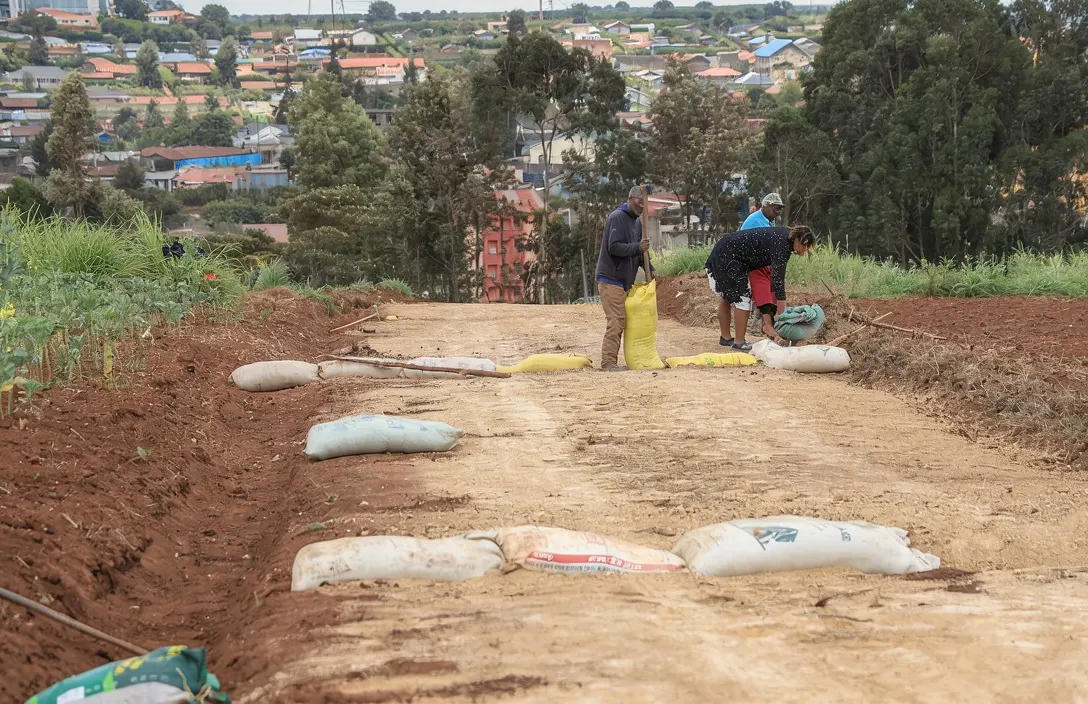
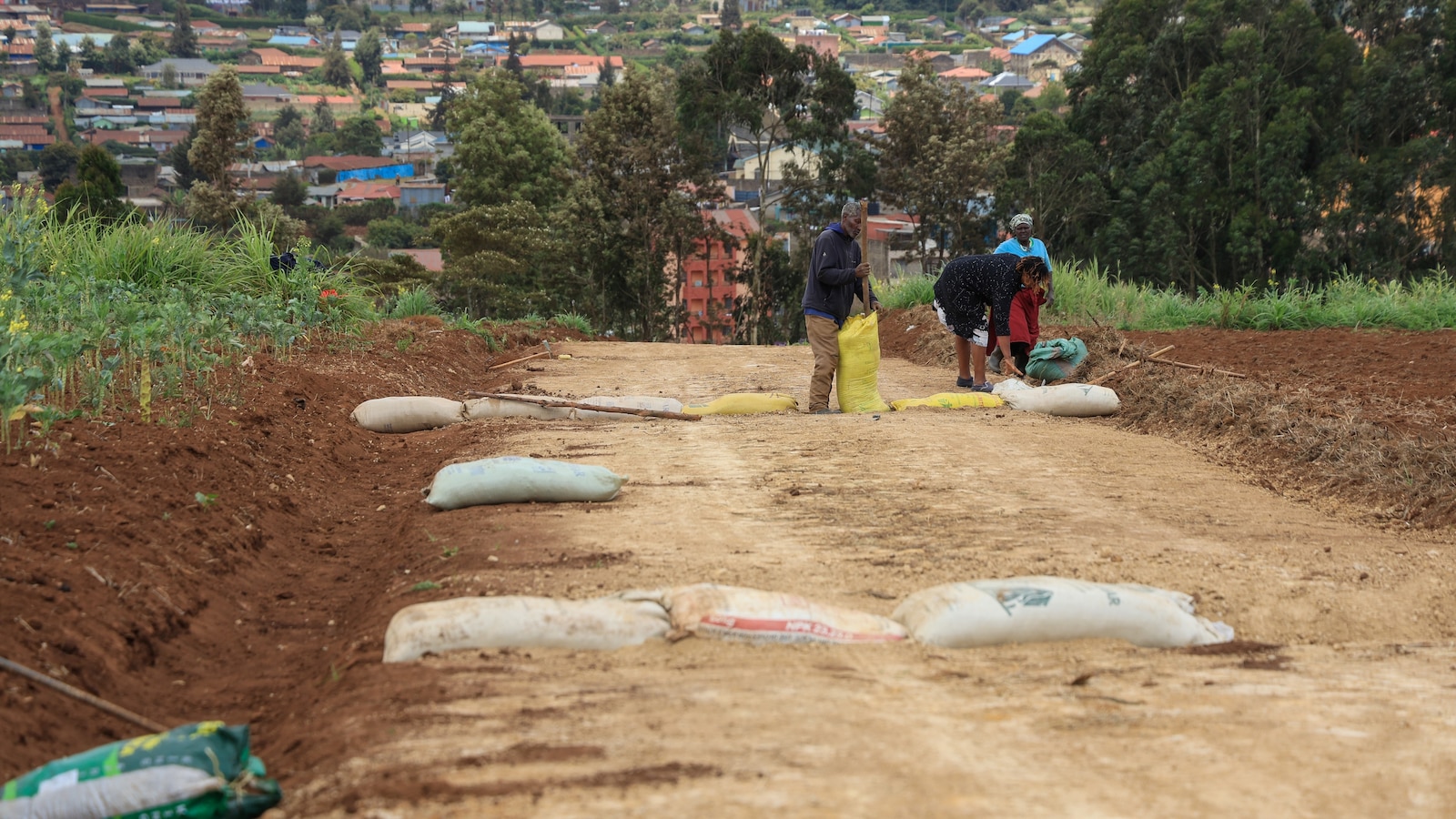
Elizabeth Itotia, a farmer in Limuru, Kiambu County, Kenya, has adopted new soil conservation techniques following the loss of much of her farm’s topsoil to heavy rains in 2024. The catastrophic rainfall washed away nutrient-rich soil and damaged several crops, leaving her with estimated losses of 200,000 Kenyan shillings ($1,500) (Source ID: 1). To restore the land, Itotia and her family brought in topsoil from other farms, an effort that required significant labor and financial investment. Her experience highlights the challenges faced by farmers in Kenya when extreme weather events cause losses, particularly in a country where most farmers depend on the rainy seasons for their livelihoods. [1]
In response to the threat of heavy rainfall, Itotia has filled sacks with sand and placed them in trenches to slow runoff and reduce soil erosion. She has also planted Napier grass and bamboo, whose roots help hold the earth together (Source ID: 1). Her neighbor, Esther Njoki, has adopted a similar approach, filling sacks with soil to slow runoff and limit erosion. Njoki noted that the loss of topsoil leaves the land muddy, making cultivation and movement around the farm difficult. These techniques are part of a broader effort among farmers to protect their land from the increasing frequency of extreme weather events. [1]
Samuel Munyiri, an agronomist at Osho Chemical Industries, emphasized that working the soil during the rainy season makes it more susceptible to being washed away. He said the sandbags being used by farmers were effective at reducing soil loss through runoff, especially in places where small channels have begun to form (Source ID: 1). Munyiri advised farmers to adopt additional soil conservation practices such as terracing, constructing gabions, and planting crops across slopes to protect against erosion. He also recommended planting crops that can tolerate high rainfall, such as corn, wheat, and barley, and adjusting planting schedules to avoid prolonged heavy rains. [1]
Elizabeth Itotia, a farmer in Limuru, Kiambu County, Kenya, has implemented soil conservation techniques following the loss of much of her farm’s topsoil to heavy rains in 2024. Itotia’s 5-acre (2-hectare) farm lies on a slope that made it particularly vulnerable to erosion. Catastrophic rains in 2024 washed away nutrient-rich topsoil and destroyed several crops, leaving her with estimated losses of 200,000 Kenyan shillings ($1,500) (Source ID: 1). [1]
Advertisement
To restore the damaged land, Itotia and her family had to bring in topsoil from other farms, an effort that required additional labor and money. Her experience highlights the challenges faced by farmers in Kenya when extreme weather events cause losses. The Kenya Meteorological Department forecast El Niño conditions during the short-rains season, which runs from mid-October to December. El Niño is associated with warmer-than-average sea surface temperatures in the central and eastern tropical Pacific Ocean and can bring heavier-than-usual rains to East Africa (Source ID: 1). [1]
After learning about soil conservation techniques on social media, Itotia adopted a method that involves filling sacks with sand and placing them in trenches to slow runoff and reduce soil erosion. She has also planted Napier grass and bamboo, whose roots help hold earth together. Her neighbor, Esther Njoki, has adopted a similar approach, filling sacks with soil to slow runoff and limit erosion (Source ID: 1). [1]
Elizabeth Itotia, a farmer in Limuru, Kiambu County, Kenya, has adopted new soil conservation techniques following the loss of much of her farm’s topsoil to heavy rains in 2024. Itotia’s 5-acre (2-hectare) farm in Limuru, Kiambu County, in central Kenya, lies on a slope that makes it vulnerable to soil erosion. Catastrophic rains in 2024 washed away much of the nutrient-rich topsoil and destroyed several crops, including kale, spinach, cabbage, potatoes and native vegetables, leaving her with estimated losses of 200,000 Kenyan shillings ($1,500) (Source ID: 1). [1]
To restore the damaged land, Itotia and her family had to bring in topsoil from other farms, an effort that required additional labor and money to make the land productive again. After learning about soil conservation techniques on social media, Itotia adopted a method that involves filling sacks with sand and placing them in trenches to slow runoff and reduce soil erosion (Source ID: 1). [1]
Advertisement
Itotia has also planted Napier grass and bamboo, whose roots help hold earth together, in areas vulnerable to erosion. The Napier grass also provides fodder for her livestock. Her neighbor, Esther Njoki, has adopted a similar approach, filling sacks with soil to slow runoff and limit erosion (Source ID: 1). [1]
Elizabeth Itotia, a farmer in Limuru, Kiambu County, Kenya, has adopted new soil conservation techniques following the loss of much of her farm’s topsoil to heavy rains in 2024. Itotia’s 5-acre (2-hectare) farm lies on a slope that makes it vulnerable to soil erosion, and catastrophic rains in 2024 washed away much of the nutrient-rich topsoil, destroying several crops and leaving her with estimated losses of 200,000 Kenyan shillings ($1,500) (Source ID: 1). [1]
To restore the damaged land, Itotia and her family had to bring in topsoil from other farms, an effort that required additional labor and money to make the land productive again. After learning about soil conservation techniques on social media, Itotia adopted a method that involves filling sacks with sand and placing them in trenches to slow runoff and reduce soil erosion (Source ID: 1). [1]
Itotia has also planted Napier grass and bamboo, whose roots help hold earth together, in areas vulnerable to erosion. Her neighbor, Esther Njoki, has adopted a similar approach, filling sacks with soil to slow runoff and limit erosion. Samuel Munyiri, an agronomist at Osho Chemical Industries, said working the soil during the rainy season makes it more susceptible to being washed away, and the sandbags being used by farmers were effective at reducing soil loss through runoff (Source ID: 1). [1]
Advertisement
The Cali Reporter newsletter
The stories worth your time.
California, the country, and what comes next. Join our free newsletter for reporting that keeps you informed.
More in U.S. News
- Nvidia CEO Returns to Denny's After Plaque Removal
Nvidia's CEO, Jensen Huang, has returned to the Denny's in San Jose, California, where the company was founded, following the temporary removal of a commemorative plaque.
- Taylor Frankie Paul Hints at Applying for Sam Hartman's 'Bachelor' Season
Taylor Frankie Paul, whose 'Bachelorette' season was canceled, is jokingly suggesting she may apply for Sam Hartman's upcoming 'Bachelor' season.
- Kentucky Couple's Dream Home Turns Into Snake-Infested Nightmare
A Kentucky couple's new home has become a snake-infested nightmare, with evidence suggesting the infestation may have been present for decades.