Jensen Huang's Resignation and the Management of Nvidia
Jensen Huang's resignation as CEO of Nvidia has sparked debate over his irreplaceability and the management practices of the company. The event highlights larger questions about leadership in the AI industry and…

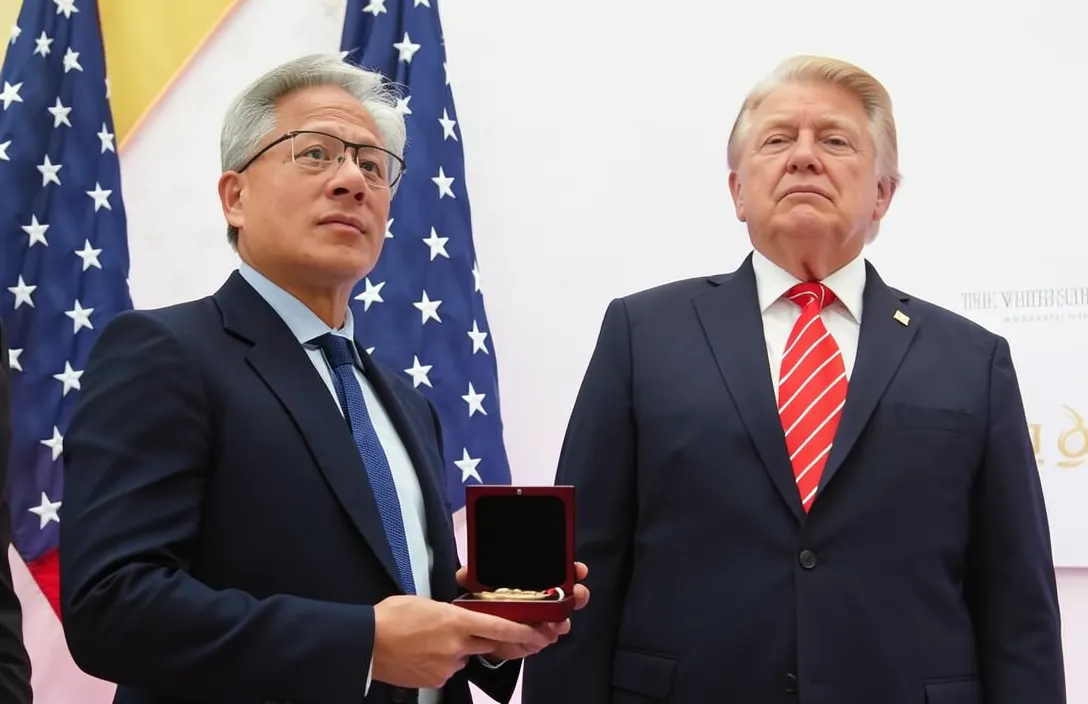
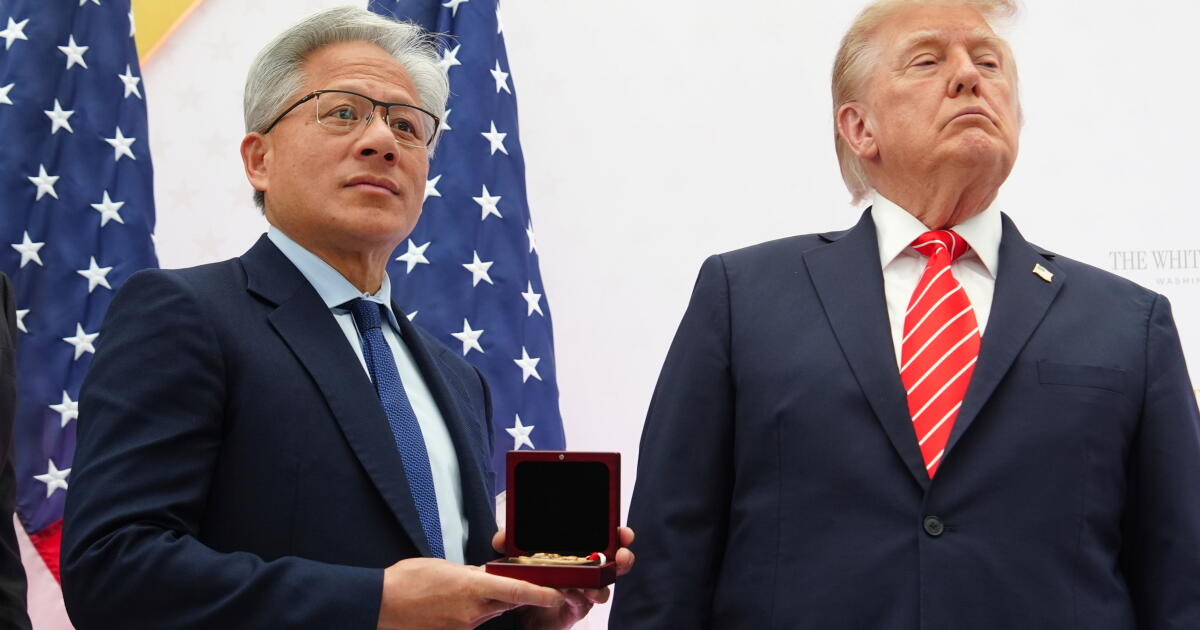
Jensen Huang’s resignation as CEO of Nvidia has led to speculation about whether he was truly irreplaceable, with some arguing that the company may be better off without him (LA Times: Business). This debate hinges on broader questions about the role of artificial intelligence in corporate success and the sustainability of Huang's leadership model. Despite the claims of his indispensability, the evidence suggests that no individual is truly irreplaceable, and many who are labeled as such do not deserve the title (LA Times: Business). [1]
The corporate governance at Nvidia has come under scrutiny, with the board showing signs of stagnation and a lack of experienced CEOs on its ranks. The board includes several members who have been on the company’s board since the 1990s, and only a few have joined in recent years (LA Times: Business). This lack of diversity and experience may have contributed to the entrenchment of Huang’s leadership, highlighting potential governance shortcomings within the company (LA Times: Business). [1]
The departure of Jensen Huang has also raised questions about the sustainability of Nvidia’s business model, particularly its reliance on circular financing within the AI sector. This system, in which Nvidia invests in firms that are its customers, has come under increasing scrutiny within the company and from external observers (LA Times: Business). The company’s CFO, Colette Kress, who has been named interim CEO, had previously expressed concerns about the long-term viability of this approach (LA Times: Business). [1]
Jensen Huang’s resignation as CEO of Nvidia has led to speculation about whether he was truly irreplaceable, with some arguing that the company may be better off without him (LA Times: Business). The corporate governance at Nvidia has come under scrutiny, with the board showing signs of stagnation and a lack of experienced CEOs on its ranks. The departure of Jensen Huang has also raised questions about the sustainability of Nvidia’s business model, particularly its reliance on circular financing within the AI sector. [1]
Advertisement
Investor Dan Ives, an Nvidia bull, initially labeled Huang as 'irreplaceable' but later suggested that the 'old Jensen' is over and in the past, indicating a shift in perception. The board’s composition, which includes several long-serving directors and few experienced CEOs, has drawn criticism for its lack of dynamism and potential complicity in Huang’s rise (LA Times: Business). [1]
Nvidia’s board has been described as displaying signs of corporate 'arteriosclerosis,' with only a few directors joining in recent years and a lack of diversity in leadership experience. The board's structure and composition have been called into question, with some suggesting that it may have allowed Huang to consolidate too much power within the company (LA Times: Business). [1]
The departure of Jensen Huang has also raised doubts about the value of AI as a driver of profits, with studies from MIT, the Wharton School, and others casting skepticism on the financial returns from AI investments. These concerns have contributed to a reevaluation of the role of AI in corporate America and the future of Nvidia’s business model (LA Times: Business). [1]
The corporate governance at Nvidia has come under scrutiny, with the board showing signs of stagnation and a lack of experienced CEOs on its ranks (LA Times: Business). The board's composition reflects a lack of diversity in leadership experience, with only a few directors joining in recent years. This has led to concerns about the board's ability to provide effective oversight and direction for the company. The board's structure, with three directors joining in 1993 and a fourth in 1997, indicates a long-standing lack of renewal and modernization in leadership. [1]
Advertisement
The board is very light on experienced CEOs of major industrial firms, with only two serving in that capacity, both at subsidiaries of conglomerates (LA Times: Business). A plurality of four directors come from investment firms, two from law firms, and two from universities, highlighting a lack of diversity in professional backgrounds. This structure may limit the board's ability to provide balanced and informed guidance, particularly in areas such as technology and artificial intelligence, which are central to Nvidia's business model. [1]
The Nvidia board has been described as displaying signs of corporate 'arteriosclerosis,' with only a few directors joining in recent years and a lack of diversity in leadership experience (LA Times: Business). This has raised questions about the board's effectiveness in overseeing the company's strategic direction and managing risks associated with its reliance on circular financing within the AI sector. The board's lack of renewal and diversity in leadership experience may hinder its ability to adapt to changing market conditions and ensure long-term sustainability. [1]
Sources
Prepared with AI assistance from the cited sources.
The Cali Reporter newsletter
The stories worth your time.
California, the country, and what comes next. Join our free newsletter for reporting that keeps you informed.
More in Business
- Kirkland Signature Meals: A Family's Take on Taste and Value
A family's review of Kirkland Signature meals highlights a mix of flavors, textures, and value at Costco, with some dishes standing out while others fall short of expectations.
- Ex-OpenAI Engineer Donates Equity to AI Safety
Jacob Coxon, a former engineer at OpenAI and Anthropic, has pledged to donate his equity in OpenAI to AI safety research, citing concerns over the risks of uncontrolled AI development.
- Scottish Hacker Sentenced for Crypto Theft Scheme
A Scottish hacker has been sentenced to six years in U.S. federal prison for orchestrating a large-scale cryptocurrency theft operation, according to a report from the U.S. Attorney’s Office for the Central District of…