Indonesia's Wiretapping Scandal and Political Tensions
A recent wiretapping scandal in Indonesia has exposed deepening tensions within the country's security establishment and raised concerns about the misuse of surveillance powers.

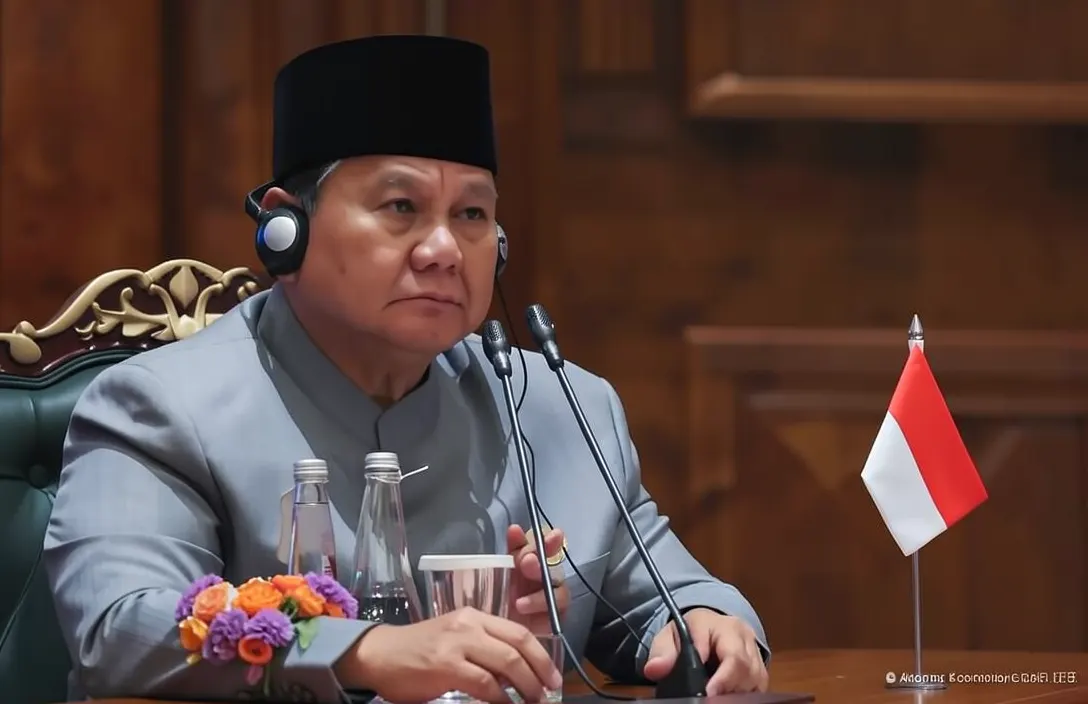
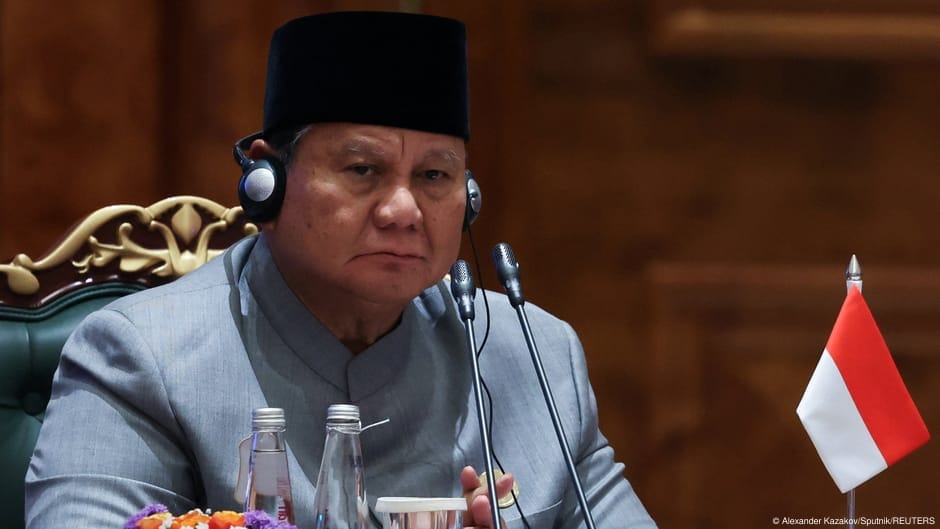
Indonesia's police and intelligence agencies have long been accused of spying on politicians, journalists, and activists. Recently, a scandal involving senior police officers has brought these concerns to the forefront of government operations. Earlier this month, Indonesian police named four senior officers as suspects in an alleged illegal surveillance operation targeting President Prabowo Subianto and other prominent figures. Former national police chief Listyo Sigit Prabowo, who is not related to the president, was among those arrested (DW Asia, 1). [1]
Investigators claim that officers intercepted communications without proper authorization in 2025 and 2026 and then attempted to delete records of the operation. The surveillance reportedly targeted the president, officials within the presidential palace, ministries, state institutions, lawmakers, political party figures, governors, anti-corruption officials, activists, and students (DW Asia, 1). [1]
A parliamentary commission is investigating the motive behind the wiretapping operation and trying to uncover whether other senior figures were involved. Meanwhile, the police have opened an investigation into possible treason-related offenses. Amnesty International has called for investigations to determine whether the wiretap operation was used to intimidate government critics and weaken civil liberties (DW Asia, 1). [1]
The wiretapping scandal in Indonesia primarily involves surveillance operations conducted in Jakarta, with specific targeting of President Prabowo Subianto, officials within the presidential palace, ministries, state institutions, lawmakers, political party figures, governors, anti-corruption officials, activists, and students. The alleged illegal surveillance occurred between 2025 and 2026, according to investigators. The operation reportedly involved intercepting communications without proper authorization and then attempting to delete records of the surveillance activities. The scandal has drawn attention from a parliamentary commission investigating the motive behind the wiretapping and whether other senior figures were involved. Additionally, the police have initiated an investigation into possible treason-related offenses linked to the operation (DW Asia). [1]
Advertisement
The surveillance scandal has historical roots in Indonesia's intelligence and law enforcement agencies, which have long been involved in political competition. Under Suharto's New Order regime, which ended in 1998, intelligence agencies played a significant role in monitoring political opponents and suppressing dissent. Even after democratization, controversies surrounding surveillance have persisted. For example, in 1999, a leaked recording of a telephone conversation involving then-President BJ Habibie raised concerns about surveillance within the presidential palace. In 2024, the elite counterterrorism unit, Densus 88, was caught surveilling Deputy Attorney General Febrie Adriansyah, who was overseeing major corruption investigations. These incidents highlight a long-standing pattern of surveillance activities not confined to the current scandal (DW Asia). [1]
The political and institutional context of the scandal includes the appointment of former national police chief Listyo Sigit Prabowo as the president's chief of staff in October 2024, just weeks before the scandal broke. This appointment raised concerns about the overlap between the police and the executive branch. The current police chief, Suyudi Ario Seto, confirmed that the surveillance targeted multiple high-profile individuals and institutions. The scandal has also intensified tensions between President Prabowo and his predecessor, Joko Widodo, with critics suggesting that the security establishment's political loyalties remain a significant issue. Prabowo has attempted to consolidate his authority over the security institutions, but the underlying problems with the police and intelligence agencies' independence and accountability remain unresolved (DW Asia). [1]
The scandal has also exposed the lack of clear legal regulations governing eavesdropping by law enforcement agencies. Indonesia's Electronic Information and Transactions Law prohibits unauthorized interception, while other legislation permits surveillance for specified law enforcement and intelligence purposes. However, experts argue that the police and intelligence agencies operate with little constraint, as there is no regulation specifically addressing eavesdropping by these entities. This legal ambiguity has allowed surveillance operations to proceed outside established legal procedures, as seen in the current allegations. Calls for reform have emerged, with advocates arguing for the creation of a unified legal framework to control surveillance capabilities and prevent the abuse of power by security institutions (DW Asia). [1]
The scandal has also coincided with other political developments, such as the resignation of Jokowi's son, Gibran Rakabuming Raka, from his role as vice president due to controversy over his educational credentials. While this issue was not directly related to the wiretapping scandal, it has contributed to the broader political instability. The government has also ordered an additional 20,000 troops to be deployed in Jakarta as a precaution, although no evidence has been presented that the wiretap is part of a larger campaign to destabilize Prabowo's administration. These developments underscore the complex political and security dynamics at play in Indonesia (DW Asia). [1]
Advertisement
The Cali Reporter newsletter
The stories worth your time.
California, the country, and what comes next. Join our free newsletter for reporting that keeps you informed.
More in World
- Irish Man Charged with Destroying U.S. Military Aircraft at Shannon Airport
A man from Ireland has been indicted for allegedly destroying a U.S. military aircraft at Shannon Airport, according to prosecutors in New York.
- Trump's APEC Summit and Strategic Meetings
President Donald Trump is set to attend the APEC summit in Shenzhen, China, where he is expected to meet with Chinese President Xi Jinping and participate in a trilateral meeting with Russian President Vladimir Putin,…
- Early Snowfall in Northern England and Scotland
Snowfall occurred in parts of Northern England and southern Scotland, with subsequent melting due to milder temperatures, according to the BBC.