Independent, Gen Z, and Latino Voters Shape 2026 Democratic Midterm Gains
The 2026 midterm elections saw significant shifts in voter behavior, with independent, Gen Z, and Latino voters playing a pivotal role in Democratic victories, according to analysis of voter poll data.

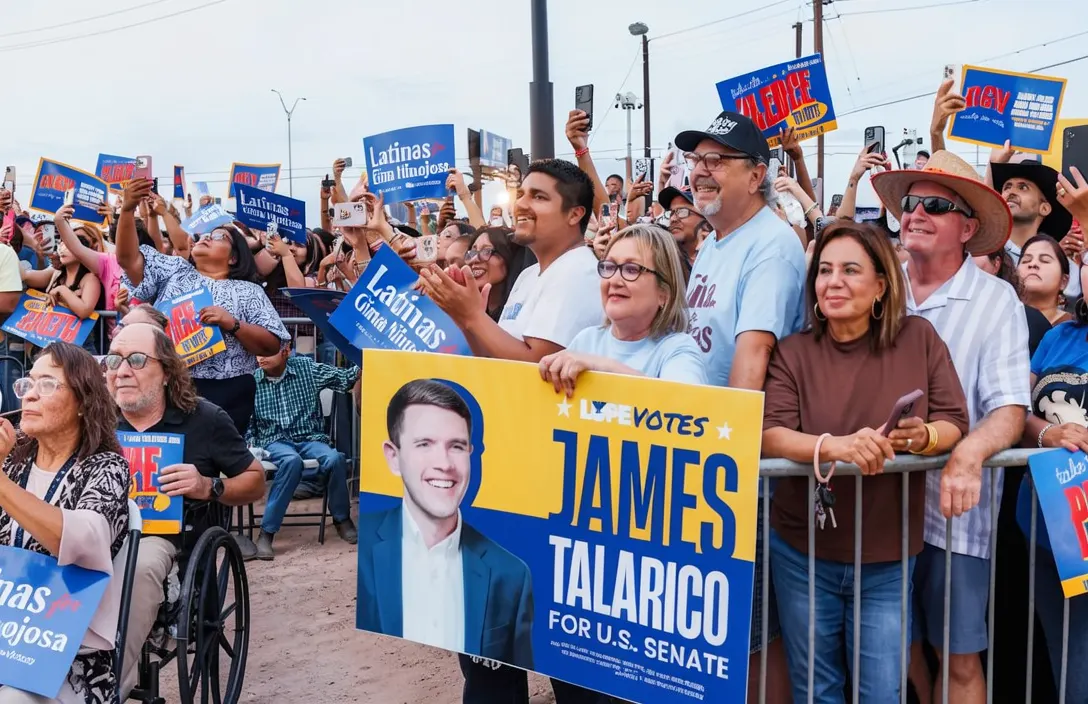
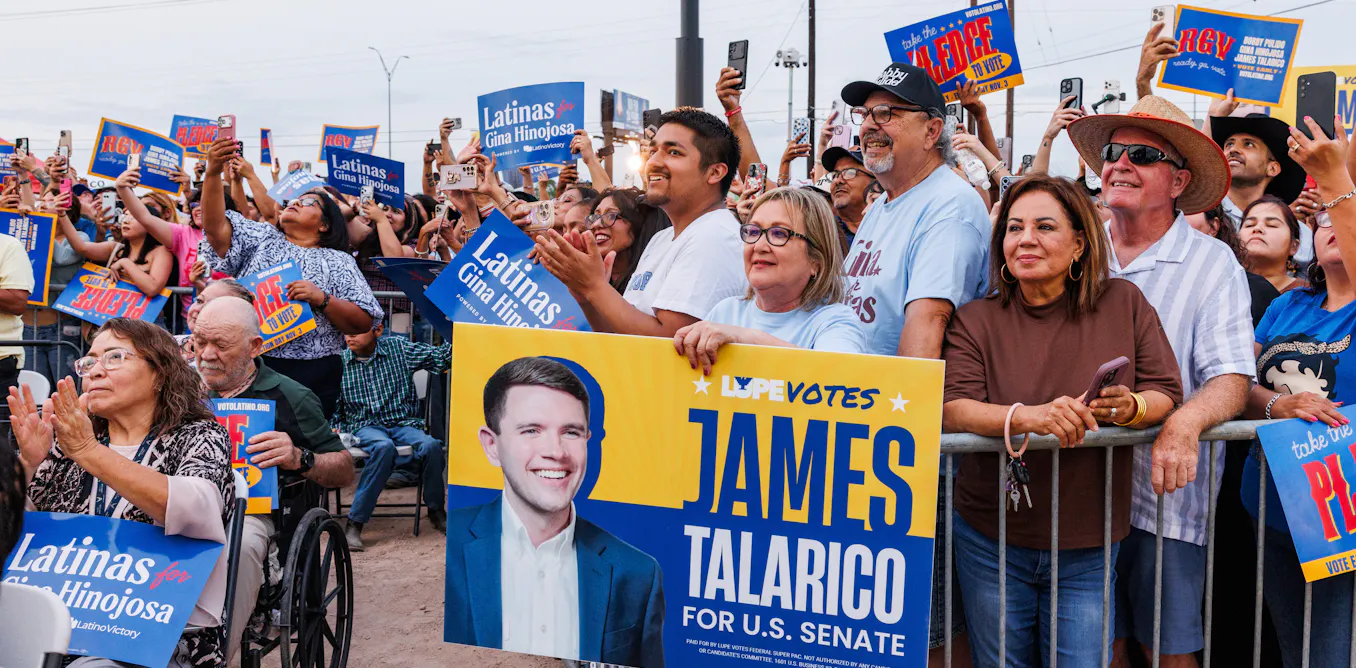
The Democratic wave in the 2026 midterm elections was influenced by a substantial shift among independent voters toward Democratic candidates, stronger Democratic turnout relative to Republicans, and declining enthusiasm among voters who supported Donald Trump in 2024 (Evidence 1). Independent voters, who made up about one-third of voters, contributed approximately 52% of the Democrats’ national popular vote margin in House races. Latino voters contributed an estimated 23% of that margin, while voters ages 18 to 29 contributed approximately 39% (Evidence 1). [1]
Independent voters have historically shown a tendency to shift between parties. In the 2024 presidential election, independents narrowly favored Democrat Kamala Harris over Trump, 49% to 46%. However, Trump performed better among independents in key battleground states, including Arizona, Georgia, Pennsylvania, and North Carolina (Evidence 1). Our analysis of voter poll data showed that independents favored House Democrats by 59% to 37% (Evidence 1). [1]
Gen Z voters were another important part of the Democratic gains. In 2026, 66% of voters ages 18–29 supported Democratic House candidates, compared with 30% who backed Republicans. That 36-point Democratic advantage was substantially larger than the 14-point margin in 2024, according to Tufts University (Evidence 1). There was also evidence of voters switching party choices. Among young people who voted for Trump in 2024 and participated in the 2026 election, 16% supported a Democratic House candidate (Evidence 1). [1]
Latino voters showed a similar pattern, but with some differences. More than 6 in 10 Latino voters supported Democratic House candidates in 2026, according to a NORC survey. That reverses much of the Republican gains among these voters in 2024. There was also evidence of volatility among Latinos. A postelection survey by UnidosUS and BSP Research found that 17% of Latino voters who supported Trump in 2024 voted for Democratic House candidates in 2026, compared with just 3% of Harris voters who supported Republicans (Evidence 1). [1]
Advertisement
The Democratic wave in the 2026 midterm elections was influenced by a substantial shift among independent voters toward Democratic candidates, stronger Democratic turnout relative to Republicans, and declining enthusiasm among voters who supported Donald Trump in 2024 (Evidence 1). Independent voters have historically shown a tendency to shift between parties. In 2008, they favored Democratic presidential candidate Barack Obama by 8 percentage points. Four years later, they backed Republican presidential candidate Mitt Romney by 5 points. In the 2016 presidential election, independents favored Republican Trump by 4 points before swinging toward Democrat Joe Biden in 2020, supporting him by 13 points. In the 2024 presidential election, independents narrowly favored Democrat Kamala Harris over Trump, 49% to 46%. [1]
Gen Z voters were another important part of the Democratic gains. In 2026, 66% of voters ages 18–29 supported Democratic House candidates, compared with 30% who backed Republicans. That 36-point Democratic advantage was substantially larger than the 14-point margin in 2024, according to Tufts University. There was also evidence of voters switching party choices. Among young people who voted for Trump in 2024 and participated in the 2026 election, 16% supported a Democratic House candidate. And 67% of young voters disapproved of Trump’s performance as president in 2026. [1]
Latino voters showed a similar pattern, but with some differences. More than 6 in 10 Latino voters supported Democratic House candidates in 2026, according to a NORC survey. That reverses much of the Republican gains among these voters in 2024. There was also evidence of volatility among Latinos. A postelection survey by UnidosUS and BSP Research found that 17% of Latino voters who supported Trump in 2024 voted for Democratic House candidates in 2026, compared with just 3% of Harris voters who supported Republicans. [1]
The Democratic wave in the 2026 midterm elections was influenced by a substantial shift among independent voters toward Democratic candidates, stronger Democratic turnout relative to Republicans, and declining enthusiasm among voters who supported Donald Trump in 2024 (Evidence 1). Independent voters, who historically show a tendency to shift between parties, contributed approximately 52% of the Democrats’ national popular vote margin in House races according to an analysis of the 2026 Voter Poll conducted by SSRS (Evidence 1). This shift was particularly notable in key battleground states such as Arizona, Georgia, Pennsylvania, and North Carolina, where independent voters played a pivotal role in flipping several Republican-held Senate seats to Democrats (Evidence 1). [1]
Advertisement
Gen Z voters were another important part of the Democratic gains. In 2026, 66% of voters ages 18–29 supported Democratic House candidates, compared with 30% who backed Republicans, according to Tufts University (Evidence 1). This 36-point Democratic advantage was larger than the 14-point margin in 2024, indicating a significant shift in younger voters’ preferences (Evidence 1). Additionally, among young people who voted for Trump in 2024 and participated in the 2026 election, 16% supported a Democratic House candidate, suggesting a notable crossover effect (Evidence 1). [1]
Latino voters also shifted substantially in favor of the Democratic Party in 2026. More than 6 in 10 Latino voters supported Democratic House candidates, reversing much of the Republican gains among these voters in 2024 (Evidence 1). According to a NORC survey, 17% of Latino voters who supported Trump in 2024 voted for Democratic House candidates in 2026, compared with just 3% of Harris voters who supported Republicans (Evidence 1). These shifts were particularly evident in traditionally Republican states such as Texas, where Democratic candidates saw strong support from Latino, young, and independent voters (Evidence 1). [1]
The Democratic wave in the 2026 midterm elections was influenced by a substantial shift among independent voters toward Democratic candidates, stronger Democratic turnout relative to Republicans, and declining enthusiasm among voters who supported Donald Trump in 2024 (Evidence 1). Independent voters have historically shown a tendency to shift between parties, and their behavior in 2026 was no different. According to the 2026 Voter Poll conducted by the market research firm SSRS, independents contributed approximately 52% of the Democrats’ national popular vote margin in House races. This indicates a significant movement among this group, which has historically been more volatile in its voting behavior compared to partisans (Evidence 1). [1]
Gen Z voters were another important part of the Democratic gains. In 2026, 66% of voters ages 18–29 supported Democratic House candidates, compared with 30% who backed Republicans. That 36-point Democratic advantage was substantially larger than the 14-point margin in 2024, according to Tufts University. There was also evidence of voters switching party choices. Among young people who voted for Trump in 2024 and participated in the 2026 election, 16% supported a Democratic House candidate. This shift highlights the changing preferences of younger voters, who are increasingly willing to reconsider their choices when the party in power fails to meet their expectations (Evidence 1). [1]
Advertisement
Latino voters also shifted substantially in favor of the Democratic Party in 2026. More than 6 in 10 Latino voters supported Democratic House candidates, according to a NORC survey. That reverses much of the Republican gains among these voters in 2024. There was also evidence of volatility among Latinos. A postelection survey by UnidosUS and BSP Research found that 17% of Latino voters who supported Trump in 2024 voted for Democratic House candidates in 2026, compared with just 3% of Harris voters who supported Republicans. These shifts among Latino voters, combined with those of Gen Z and independent voters, illustrate how overlapping groups helped Democrats win in traditionally Republican states (Evidence 1). [1]
Sources
The Conversation – Articles (US)
Prepared with AI assistance from the cited sources.
The Cali Reporter newsletter
The stories worth your time.
California, the country, and what comes next. Join our free newsletter for reporting that keeps you informed.
More in Explainers
- NATO Confronts Escalating Russian Airspace Violations
NATO has faced a sharp increase in Russian airspace violations, with incidents rising sharply in 2025 and continuing into 2026, according to a systematic review of data and events.
- Target-Date Funds and Market Volatility in Retirement Savings
Market fluctuations, particularly in tech stocks like Nvidia, are prompting concerns about the impact on retirement savings held in target-date funds. These funds automatically adjust their asset allocation as…
- Understanding Polyglotism: What It Really Means to Speak Multiple Languages
The term 'polyglot' is often used to describe individuals who speak multiple languages, but determining the exact criteria for such a label remains a complex and debated topic. This section explores historical and…