Impact of Ice and Wind on Overhead Power Lines
A white paper from IEEE Spectrum explains how ice, wind, and vegetation combine to affect overhead power lines during severe weather events.

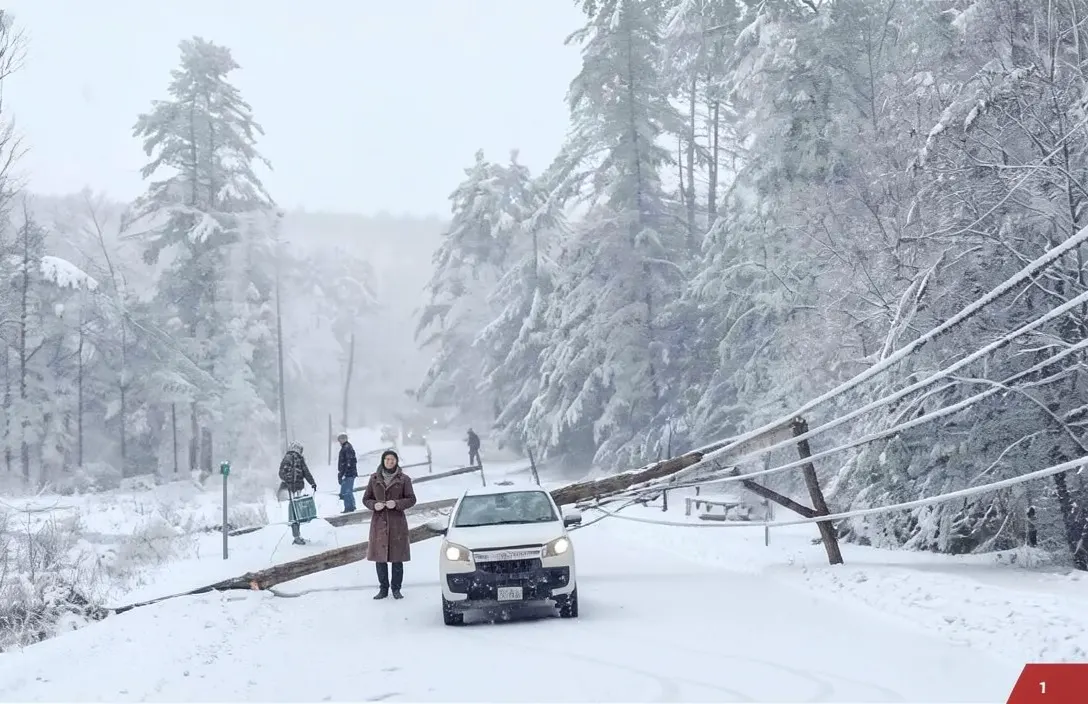

Ice storms cause long outages because several exposures act together. Ice adds weight to conductors, hardware and structures, as noted in the IEEE Spectrum white paper. This additional weight can significantly stress the mechanical integrity of power lines, especially when combined with other environmental factors. The paper emphasizes that ice, wind, and vegetation load overhead distribution lines simultaneously, which can lead to structural failures and power interruptions. [1]
Wind pushes on the larger iced surface, increasing the load on conductors and contributing to potential failures. According to the IEEE Spectrum white paper, this combined effect of ice and wind can govern the design of power lines and influence the resilience of electrical infrastructure. The white paper also discusses how monitored severe-weather test data compares tension changes in bare, covered, and spacer cable systems, highlighting the importance of considering multiple factors in power line design. [1]
Trees and limbs bend into the line and add impact and uneven load, further complicating the situation. The IEEE Spectrum white paper outlines how utility records from the December 2008 Northeast ice storm show the impact of such events on circuit availability and restoration efforts. This data helps engineers assess the complete line and compare resilience options, ensuring that infrastructure is better prepared for future ice storms and other extreme weather events. [1]
The December 2008 Northeast ice storm provided critical utility records that highlighted the impact of ice accumulation on circuit availability and restoration times. In this event, multiple power lines across the region experienced prolonged outages due to the combined effects of ice, wind, and vegetation contact. Utility data from the storm revealed that circuits with heavier ice buildup and less robust mechanical load paths required significantly longer restoration periods compared to those with more resilient designs. The records also showed that areas with higher vegetation density saw more frequent outages due to branches coming into contact with conductors, exacerbating the damage from ice and wind loads. [1]
Advertisement
The White Paper discusses a monitored winter test of three conductor systems, including bare conductors, covered conductors, and spacer cable systems. This test was conducted in regions prone to severe winter weather, such as the northeastern United States, where ice storms are common. The study evaluated how each conductor type performed under the combined stresses of freezing rain, wind, and ice accumulation. The test data showed that spacer cable systems, which use messenger-supported spacers to separate electrical and mechanical functions, demonstrated improved resilience compared to traditional bare or covered conductor systems. These findings are relevant for engineers designing overhead lines in regions with high exposure to ice and wind loads. [1]
The paper emphasizes the importance of assessing the complete line, including poles, brackets, and foundations, rather than focusing on a single component. This approach is particularly important in regions with a history of severe ice storms, such as parts of Canada and the northern United States. The White Paper outlines documented limits of traditional overhead line designs, noting that moderate wind speeds on heavily iced lines can govern the overall design and increase the risk of failure. Engineers are advised to use monitored severe-weather test data to compare tension changes in different conductor systems and to ensure that the full load path of each structure is evaluated for resilience and safety during extreme weather events. [1]
Ice storms cause long outages because several exposures act together. Ice adds weight to conductors, hardware, and structures, increasing the mechanical load on the system. This is supported by evidence from a white paper published by IEEE Spectrum, which explains how freezing rain, rime ice, and wet snow contribute to the overall burden on overhead distribution lines. The combined weight of ice and the altered shape of conductors in the wind create additional stress, which can lead to failures if not properly managed. The paper highlights the need for engineers to assess the complete line rather than individual components to ensure resilience. [1]
Wind pushes on the larger iced surface, increasing the load on conductors and contributing to potential failures. This is further complicated by the impact of trees and limbs bending into the line, which adds uneven load and impact. According to the white paper, these combined factors can lead to conductor galloping and loss of clearance, increasing the risk of outages. The paper reviews monitored winter test data of three conductor systems, showing how different configurations respond to ice and wind loads. It also summarizes utility records from a major regional ice storm, such as the December 2008 Northeast ice storm, which provides insights into circuit availability and restoration times. [1]
Advertisement
The white paper emphasizes the importance of assessing the full load path of poles, brackets, and foundations when planning for ice and wind exposure. It also outlines how to compare options at the corridor level and apply energized-line safety rules during restoration efforts. The paper explains that a messenger-supported spacer cable can separate the electrical function of covered conductors from the main mechanical load path, improving resilience. These findings are based on a detailed analysis of how various factors interact during ice storms, as documented in utility records and monitored test data. [1]
Sources
Prepared with AI assistance from the cited sources.
The Cali Reporter newsletter
The stories worth your time.
California, the country, and what comes next. Join our free newsletter for reporting that keeps you informed.
More in Technology
- Google Play's Closed Testing Requirements and the Importance of Feedback
Google Play's closed testing rule emphasizes the need for developers to gather meaningful feedback from testers, not just track app installs. This approach ensures that real user experiences are evaluated and addressed…
- World Diabetes Day 2026 Focuses on Early Diagnosis and Awareness
The 2026 World Diabetes Day campaign emphasizes the importance of early diagnosis, equitable access to care, and reducing diabetes stigma, according to the WHO. The theme 'Early action on diabetes' highlights the need…
- Understanding Memory Usage on Linux VPS
This article explains how to accurately interpret memory usage on a Linux VPS, focusing on the importance of the 'available' metric and the potential pitfalls of relying on the 'free' column.